
|
Text: |
Urs Schnyder & Michael E. Fader |
|
Pictures: |
Urs Schnyder & Michael E. Fader |


(Picture courtesy Michael E. Fader)
(Picture courtesy Urs Schnyder)
An old tradition of the meeting in La Ferte is that models are flown over the midday hours. This tradition had disappeared for years and is now being revived. Compared to the 90s, however, the models are much more sophisticated and larger. The wingspans of the models are up to four meters. The pictures also show that there is practically no difference to the real machines. The only problems we had were when taking photos, as the models are relatively fast and do not have such a straight flight path due to the wind.


(Picture courtesy Michael E. Fader)
(Picture courtesy Michael E. Fader)
(Picture courtesy Michael E. Fader)
(Picture courtesy Michael E. Fader)
(Picture courtesy Michael E. Fader)
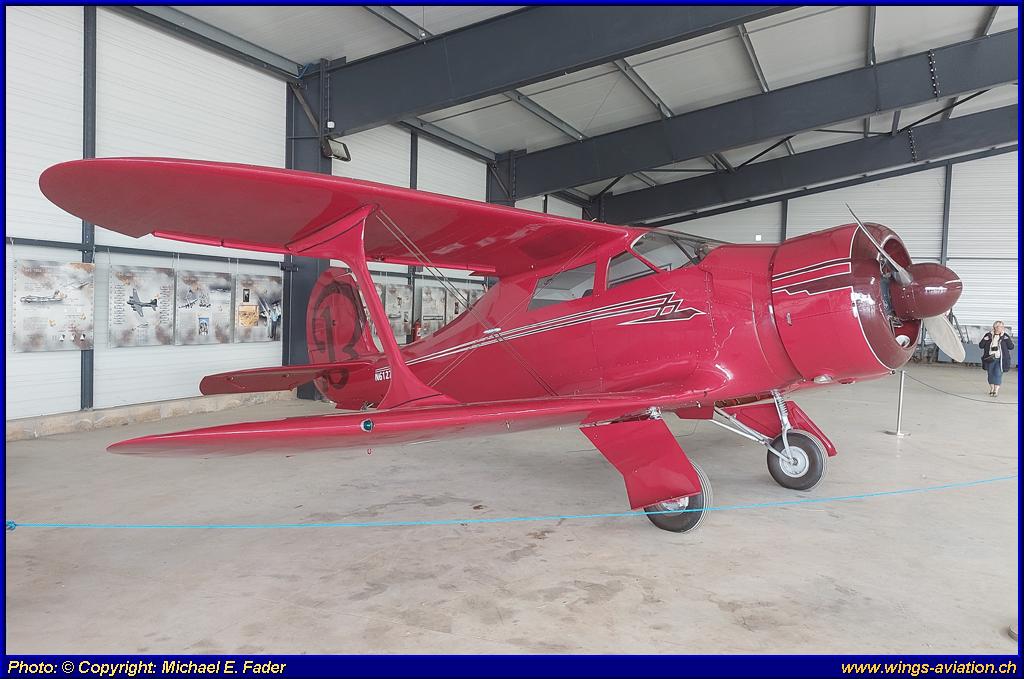
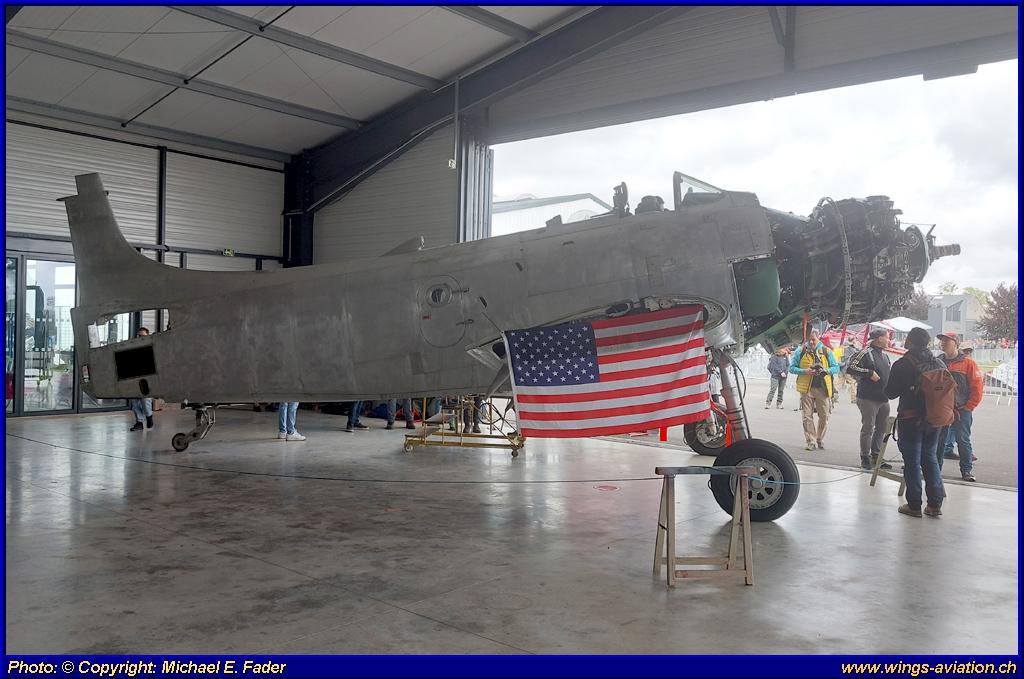


(Picture courtesy Michael E. Fader)
(Picture courtesy Michael E. Fader)
(Picture courtesy Michael E. Fader)
(Picture courtesy Michael E. Fader)
(Picture courtesy Michael E. Fader)

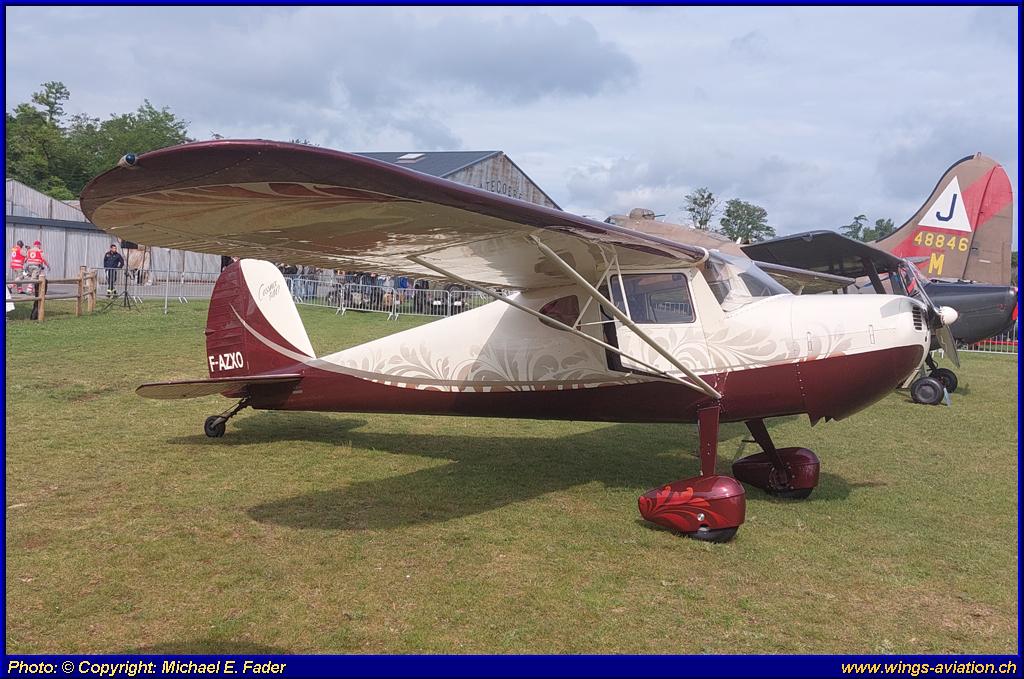
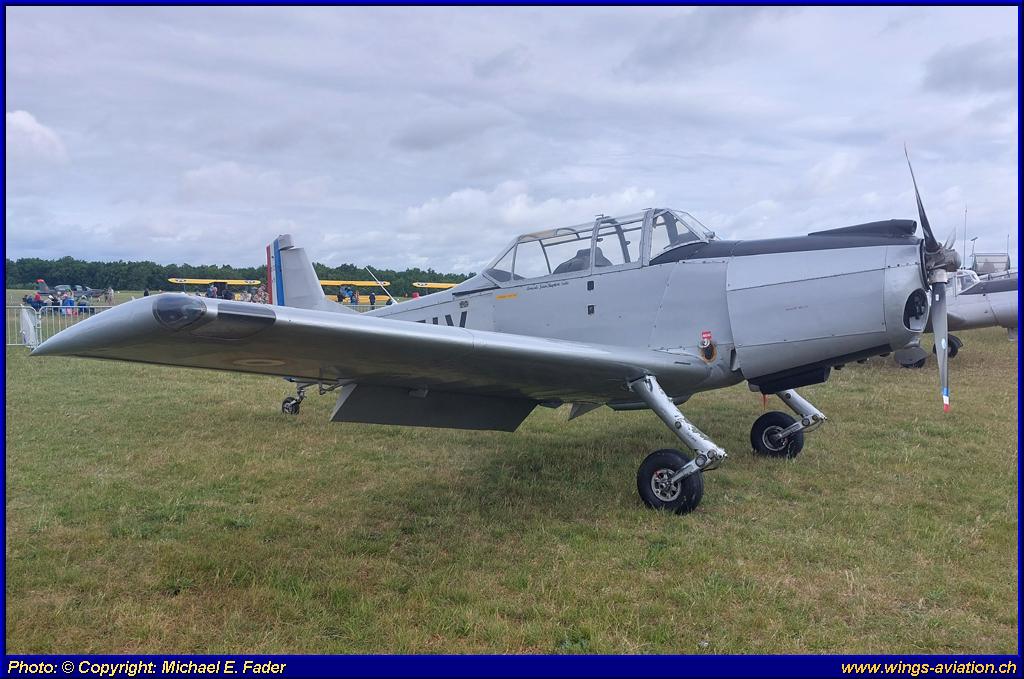

(Picture courtesy Michael E. Fader)
(Picture courtesy Michael E. Fader)
(Picture courtesy Michael E. Fader)
(Picture courtesy Michael E. Fader)
(Picture courtesy Michael E. Fader)
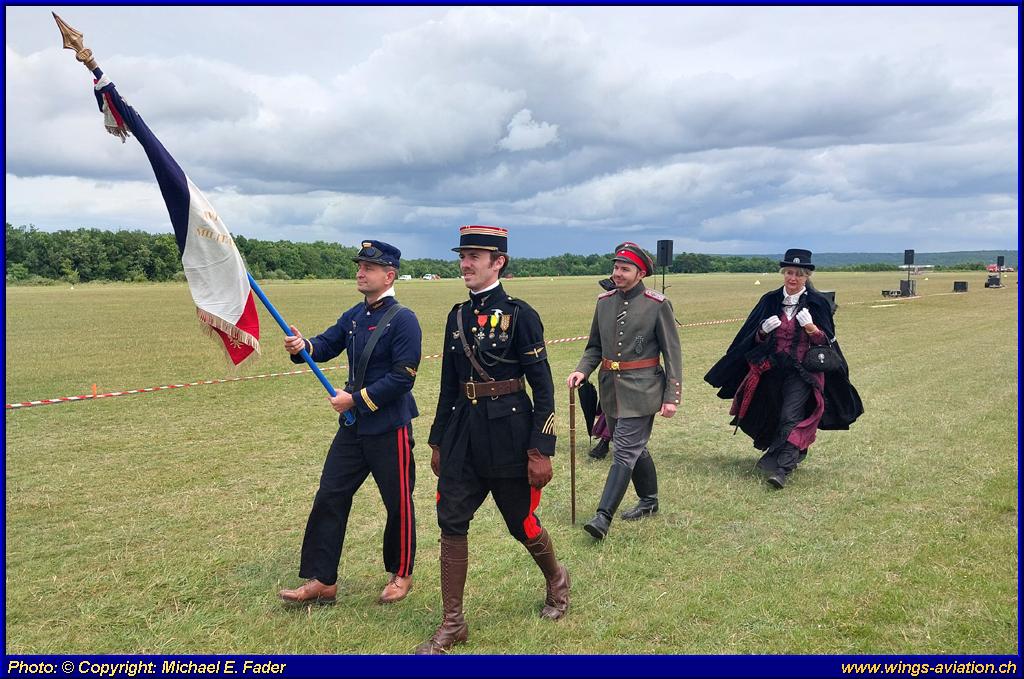
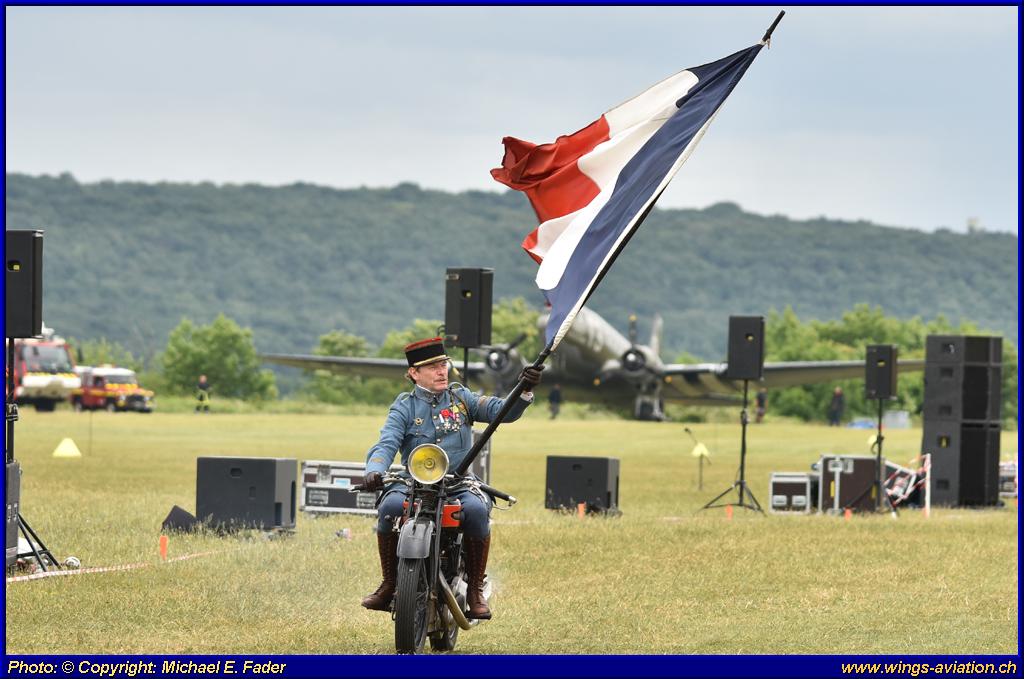
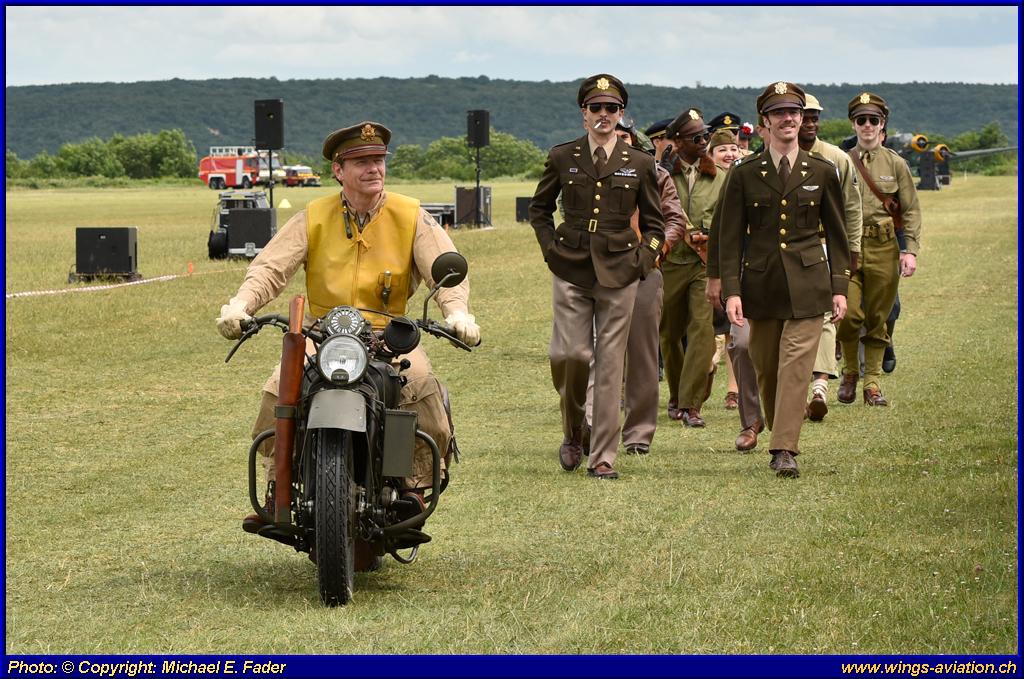
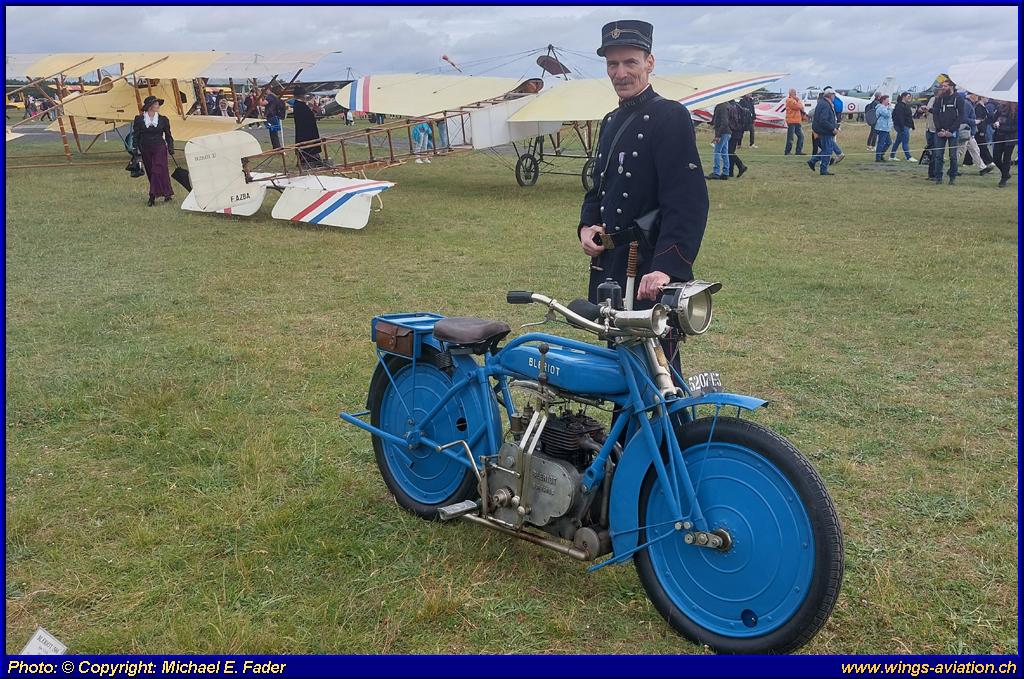
Reenactors are part of the demonstrations in La Ferte-Alais. Initially, only French uniforms were on display, but today American, British, German and, since this year, Japanese uniforms are also on show. It is also noticeable that women also appear in historical costumes.



(Picture courtesy Michael E. Fader)
(Picture courtesy Urs Schnyder)
(Picture courtesy Urs Schnyder)

(Picture courtesy Michael E. Fader)
(Picture courtesy Michael E. Fader)
(Picture courtesy Michael E. Fader)
(Picture courtesy Michael E. Fader)
(Picture courtesy Michael E. Fader)
Corsair
It's been a while since a large passenger aircraft was flown over in La Ferté-Alais. In 2016, it was a Boeing 747-800 from the airline Corsair. In 2025, the same company flew over with an Airbus A330neo. This was a tribute to Frédérick Vandentorren, the airline's technical operations manager and member of the Amicale Jean Baptiste Salis, who passed away at the end of 2024.

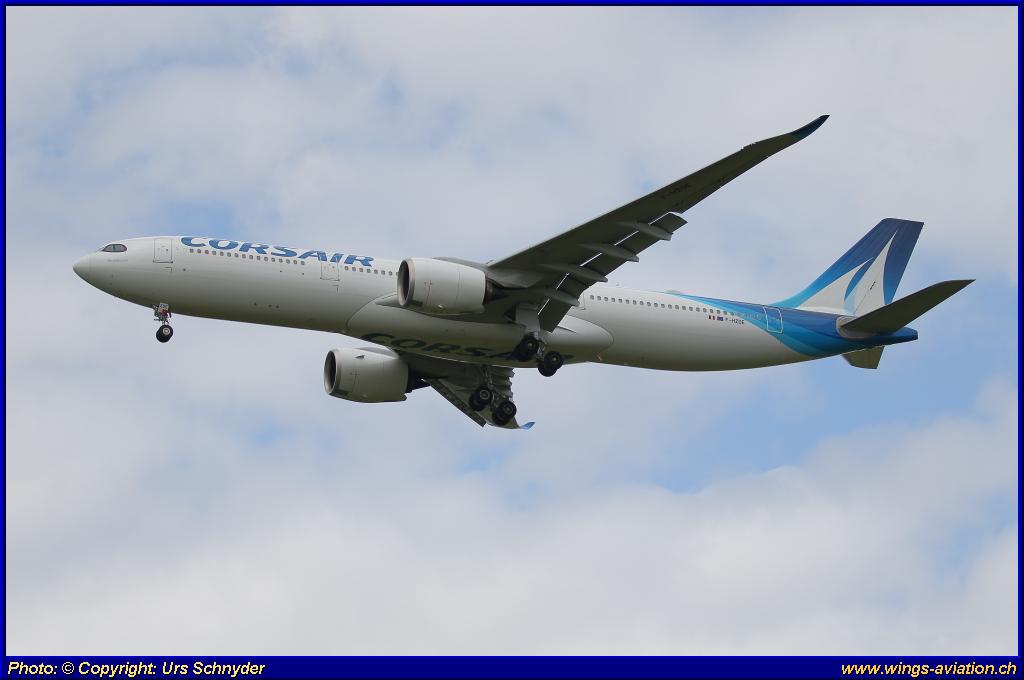


Airbus A330-941 F-HZOE (Picture courtesy Urs Schnyder)
Airbus A330-941 F-HZOE (Picture courtesy Urs Schnyder)
Airbus A330-941 F-HZOE (Picture courtesy Urs Schnyder)
Airbus A330-941 F-HZOE (Picture courtesy Urs Schnyder)
Airbus A330-941 F-HZOE (Picture courtesy Urs Schnyder)
Jet Pitts
Richard Goodwin and his Jet Pitts are well known in the UK, but not so in France. With two jet engines in addition to the normal engine, the aircraft, a converted Pitts S-2E Special, has enormous power. When it seems to hang vertically in the air, the performance of the machine becomes apparent. This additional engine allows the aircraft to remain airborne while riding on the jet stream.

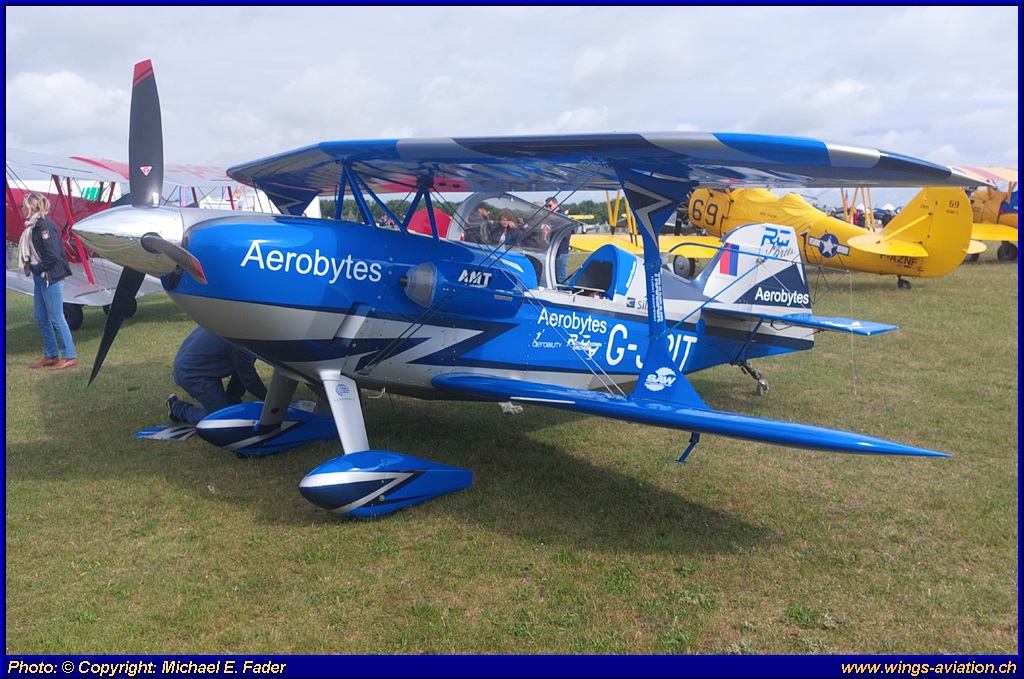


Pitts S-2E Special (Picture courtesy Michael E. Fader)
Pitts S-2E Special (Picture courtesy Michael E. Fader)
Pitts S-2E Special (Picture courtesy Urs Schnyder)
Pitts S-2E Special (Picture courtesy Urs Schnyder)

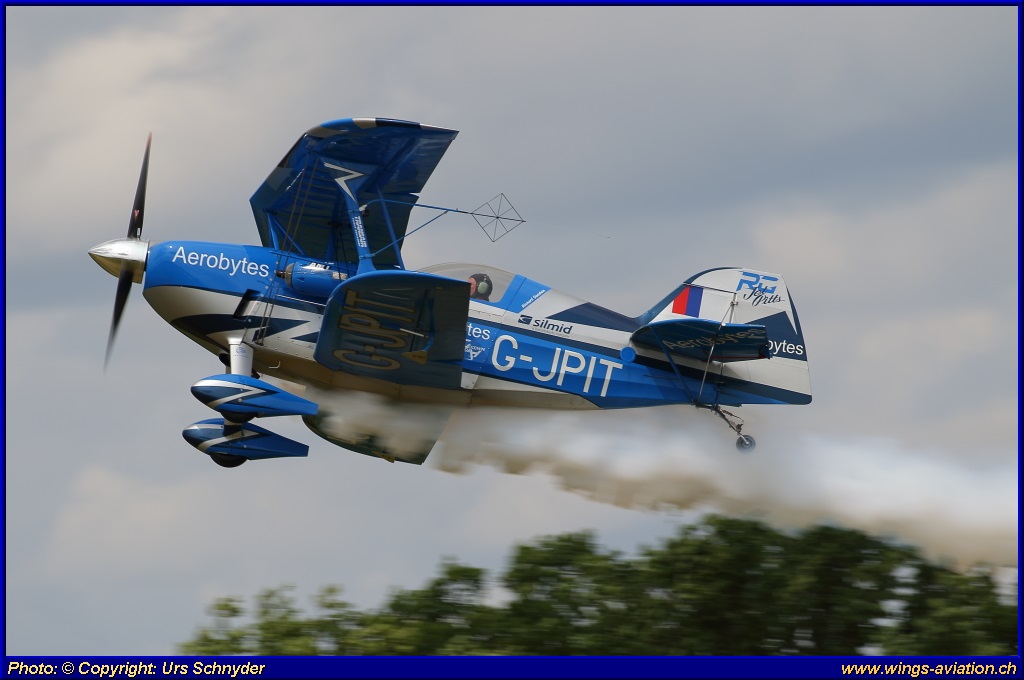
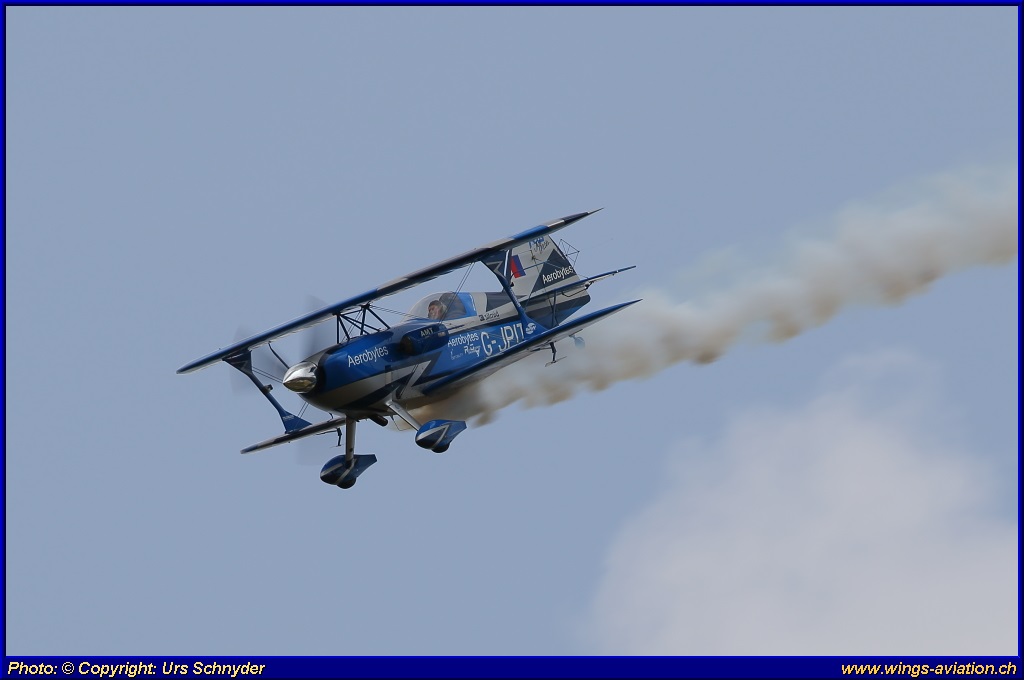

Rich Goodfwin (Picture courtesy Michael E. Fader)
Pitts S-2E Special (Picture courtesy Urs Schnyder)
Pitts S-2E Special (Picture courtesy Urs Schnyder)
Pitts S-2E Special (Picture courtesy Urs Schnyder)
Pitts S-2E Special (Picture courtesy Urs Schnyder)
The 30s
These aircraft were actually also intended for a classic film, but the Lockheed L-10 Eectra, which was due to fly in “Amerlia Erhardt”, was unable to arrive due to bad weather. As a result, only three iconic aircraft from the 1930s were present.


(Picture courtesy Urs Schnyder)
(Picture courtesy Urs Schnyder)
(Picture courtesy Urs Schnyder)
(Picture courtesy Urs Schnyder)
(Picture courtesy Urs Schnyder)


(Picture courtesy Urs Schnyder)
(Picture courtesy Urs Schnyder)
(Picture courtesy Urs Schnyder)
(Picture courtesy Urs Schnyder)
(Picture courtesy Michael E. Fader)
Salmson CriCri
First flown in 1936 It was ordered by the Armeé de l’Air which bought 39 D6 models, with another 325 planned to go to aero clubs. Due to the war many of these were impressed into the Armeé de l’Air. It was also used as liaison and observation. After the war the D7 was launched in an effort to start production again. However, only 9 were actually built. The one flying belongs to the Salis collection and was bought in 1973. It flew until 1983 when it was grounded. After a seven year restoration it flew again for the first time on 11 April, just right to take part in the airshow.


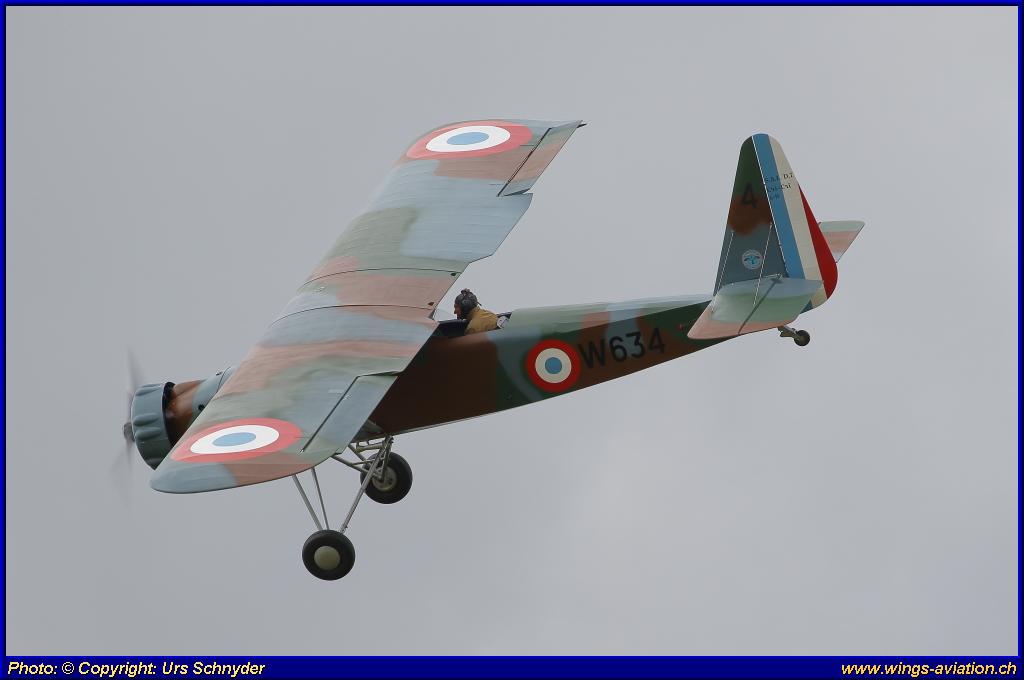

Salmson D7 Cri-Cri F-AZAB (Picture courtesy Urs Schnyder)
Salmson D7 Cri-Cri F-AZAB (Picture courtesy Urs Schnyder)
Salmson D7 Cri-Cri F-AZAB (Picture courtesy Urs Schnyder)
Salmson D7 Cri-Cri F-AZAB (Picture courtesy Urs Schnyder)
Salmson D7 Chri-Cri F-AZAB (Picture courtesy Urs Schnyder)
Luftwaffe
The Luftwaffe was
represented by two aircraft, the "Storch" and the Ju 52, which are two
icons of the German air force. However, both aircraft are not German.
The Storch was a Morane-Saulnier MS.505 Criquet, a licensed version of
the German Fieseler Fi.156 Storch.
Although the Junkers Ju 52 was already obsolete at the outbreak of the
war, it flew until the end of the war. Afterwards, it was in service in
France under the name Toucan for a few more years, where it was
manufactured under license by Avions Amiot until 1947. The Plane F-AZJU
shown here is a CASA 352L manufactured in Spain.


Morane-Saulnier MS.505 Criquet F-AZRA (Picture courtesy Michael E. Fader)
Morane-Saulnier MS.505 Criquet F-AZRA (Picture courtesy Urs Schnyder)
Morane-Saulnier MS.505 Criquet F-AZRA (Picture courtesy Urs Schnyder)
Morane-Saulnier MS.505 Criquet F-AZRA (Picture courtesy Urs Schnyder)
Morane-Saulnier MS.505 Criquet F-AZRA (Picture courtesy Urs Schnyder)


(Picture courtesy Urs Schnyder)
(Picture courtesy Urs Schnyder)
(Picture courtesy Urs Schnyder)
(Picture courtesy Urs Schnyder)
(Picture courtesy Urs Schnyder)
Grumman Bearcat
The Fighter Collection from England sent a Grumman F8F-2P Bearcat to La Ferté-Alais. This aircraft impresses with the sheer power of the 18-cylinder Pratt & Whitney R-2800-34W Double Wasp 2,100 hp engine installed in the smallest possible airframe. This aircraft was intended for the U.S. Navy in the Second World War to neutralize the Japanese Mitsubishi A6M-Zero. However, the aircraft arrived too late to play a role in the conflict. Nevertheless, it was used in the Pacific by the French in Indochina.


Grumman F8F-2P Bearcat G-RUMM (Picture courtesy Urs Schnyder)
Grumman F8F-2P Bearcat G-RUMM (Picture courtesy Urs Schnyder)


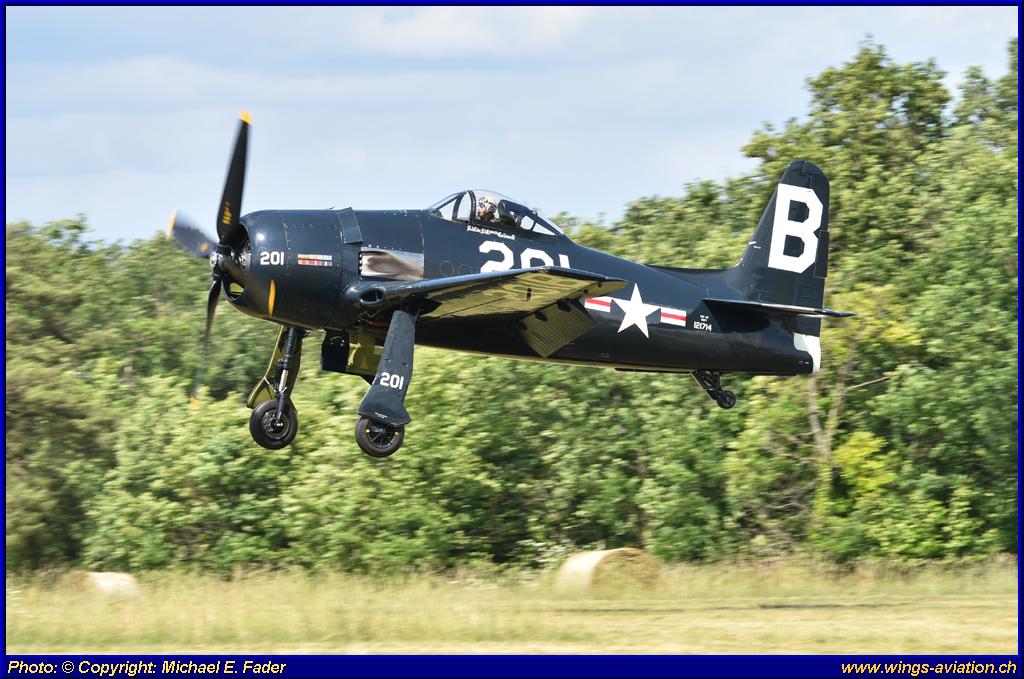
Grumman F8F-2P Bearcat G-RUMM (Picture courtesy Urs Schnyder)
Grumman F8F-2P Bearcat G-RUMM (Picture courtesy Urs Schnyder)
Grumman F8F-2P Bearcat G-RUMM (Picture courtesy Urs Schnyder)
Grumman F8F-2P Bearcat G-RUMM (Picture courtesy Urs Schnyder)
Grumman F8F-2P Bearcat G-RUMM (Picture courtesy Michael E. Fader)
Dassault Flamant and Epsilon
The Flamant was Dassault's first series-produced aircraft after the war. It gave a good performance together with the Epsilon, which was produced much later.


Dassault Flamant MD311 F-AZKT (Picture courtesy Urs Schnyder)
Socata TB-30 EpsilonF-AYYD (Picture courtesy Michael E. Fader)
Socata TB-30 EpsilonF-AYOB (Picture courtesy Michael E. Fader)
Dassault Flamant MD311 F-AZKT (Picture courtesy Urs Schnyder)
Dassault Flamant MD311 F-AZKT (Picture courtesy Urs Schnyder)


(Picture courtesy Urs Schnyder)
(Picture courtesy Urs Schnyder)
(Picture courtesy Urs Schnyder)
(Picture courtesy Urs Schnyder)
(Picture courtesy Urs Schnyder)
Yako Team
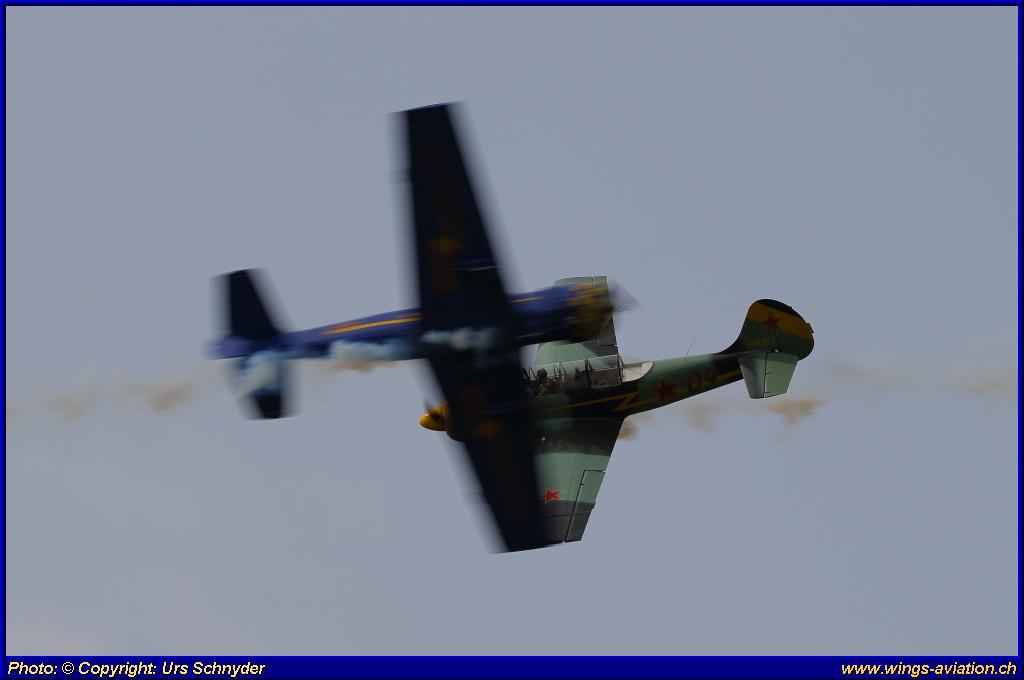
The triple formation of Yak-18 and two Yak-52 is probably one of the cheaper aerobatic teams when it comes to maintenance and flying costs. The Yak is therefore quite popular in Europe and there are several teams that fly this aircraft in a triple formation. Yakovlev Yak-18T F-HFSB, Yakovlev Yak-52 F-WRUL, Yakovlev Yak-52 F-WRUI


(Picture courtesy Urs Schnyder)
(Picture courtesy Urs Schnyder)
(Picture courtesy Urs Schnyder)
(Picture courtesy Urs Schnyder)
(Picture courtesy Michael E. Fader)



(Picture courtesy Urs Schnyder)
(Picture courtesy Urs Schnyder)
(Picture courtesy Michael E. Fader)
(Picture courtesy Urs Schnyder)
(Picture courtesy Urs Schnyder)
Cockardes Marines
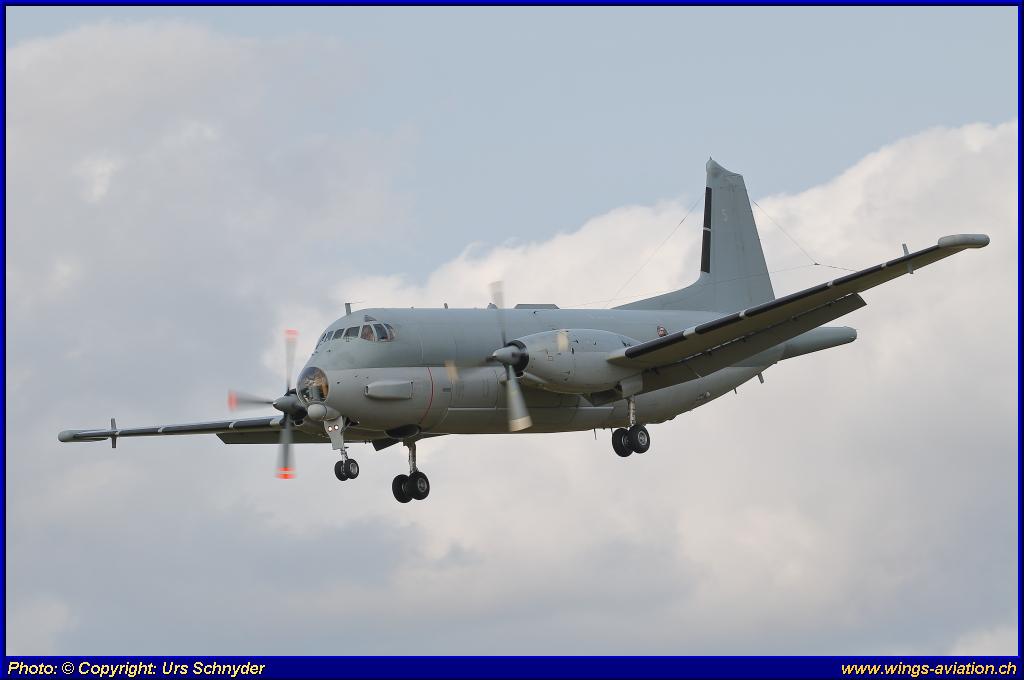
The navy brought their Breguet Atlantique which has now reached an impressive age. France is now the only country still flying it after Germany retired theirs. Together with the Atlantique flew a Morane Saulnier MS.760A Paris F-AZLT which now has a civil certification but still carries the insignia of the navy.
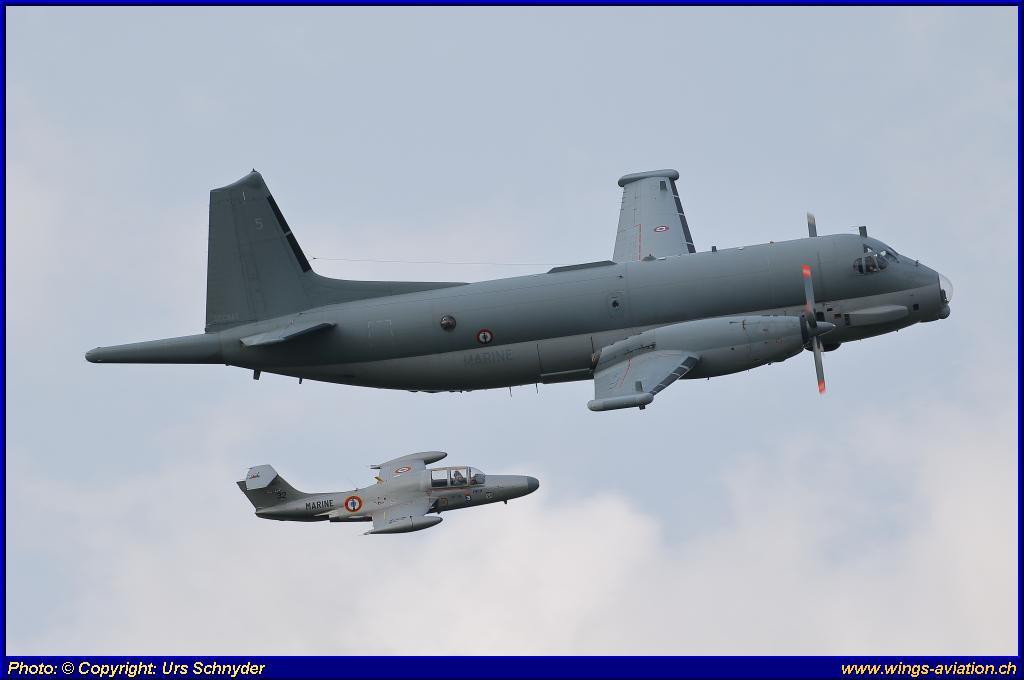


Breguet ATR-2 Atlantic (Picture courtesy Urs Schnyder)
Morane Saulnier MS.760A Paris F-AZLT (Picture courtesy Urs Schnyder)
Morane Saulnier MS.760A Paris F-AZLT (Picture courtesy Urs Schnyder)
Morane Saulnier MS.760A Paris F-AZLT (Picture courtesy Urs Schnyder)
Morane Saulnier MS.760A Paris F-AZLT (Picture courtesy Urs Schnyder)

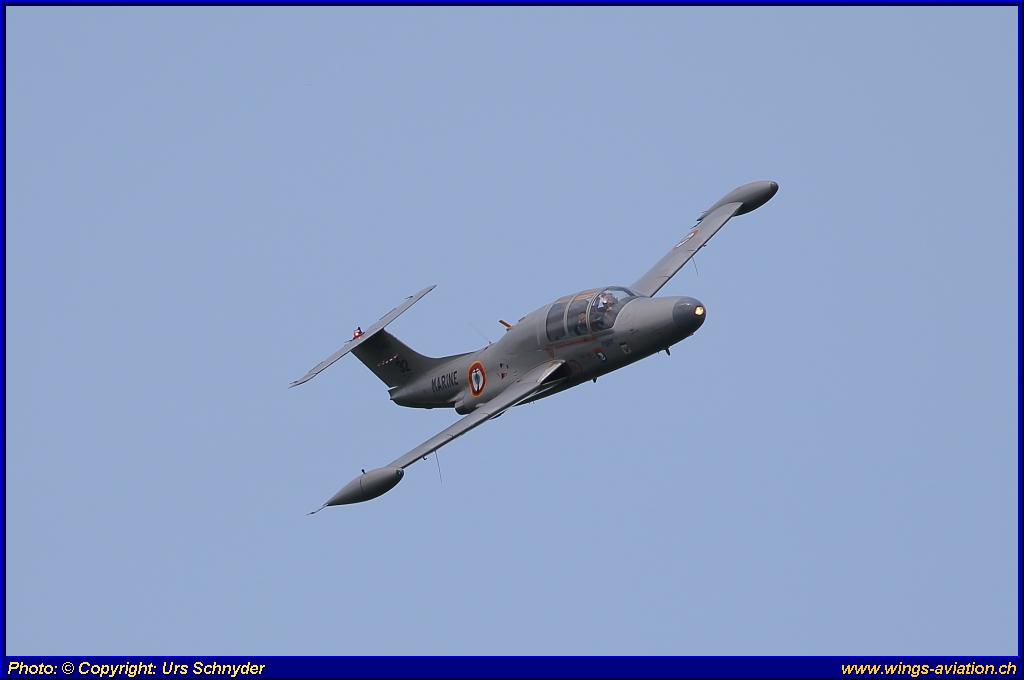


Morane Saulnier MS.760A Paris F-AZLT (Picture courtesy Urs Schnyder)
Morane Saulnier MS.760A Paris F-AZLT (Picture courtesy Urs Schnyder)
Breguet ATR-2 Atlantic (Picture courtesy Urs Schnyder)
Breguet ATR-2 Atlantic (Picture courtesy Urs Schnyder)
Breguet ATR-2 Atlantic (Picture courtesy Urs Schnyder)
Equipé Voltigueur de l’Armeé de l’Air
The Equipé Voltigueur de l'Armeé de l'Air et de l'Espace came this time with three Extra 300 and gave a good performance. These guys (Victor Lalloué “vico”, Florent Oddon ‘Flo’, Geoffrey Denis “Brice”) can fly really well and it is sometimes dizzying to watch.


(Picture courtesy Urs Schnyder)
(Picture courtesy Urs Schnyder)
(Picture courtesy Urs Schnyder)
(Picture courtesy Urs Schnyder)
(Picture courtesy Urs Schnyder)


(Picture courtesy Urs Schnyder)
(Picture courtesy Urs Schnyder)
(Picture courtesy Urs Schnyder)
(Picture courtesy Urs Schnyder)
(Picture courtesy Urs Schnyder)
Patrouille de France
Comment unnecessary. With its demonstrations, the Patrouille de France is a constant value. The only question is how long the Alpha Jets will continue to fly. The demonstration of the Patrouille de France was a successful counterpoint to the aircraft shown as part of the “Cinema” theme.


(Picture courtesy Urs Schnyder)
(Picture courtesy Urs Schnyder)
(Picture courtesy Urs Schnyder)
(Picture courtesy Urs Schnyder)
(Picture courtesy Urs Schnyder)


(Picture courtesy Urs Schnyder)
(Picture courtesy Urs Schnyder)
(Picture courtesy Urs Schnyder)
(Picture courtesy Urs Schnyder)
(Picture courtesy Urs Schnyder)


(Picture courtesy Michael E. Fader)
(Picture courtesy Urs Schnyder)
(Picture courtesy Urs Schnyder)
(Picture courtesy Urs Schnyder)


(Picture courtesy Michael E. Fader)
(Picture courtesy Urs Schnyder)
(Picture courtesy Michael E. Fader)
(Picture courtesy Michael E. Fader)
There were no jet fighters to be seen this year. The editors believe that this was not really a problem. Our thanks go to Henri Suzeau for providing the press facilities.
