|
Text: |
Michael E. Fader |
|
Pictures: |
Urs Schnyder & Michael E. Fader |

(Picture courtesy Michael E. Fader)
(Picture courtesy Michael E. Fader)
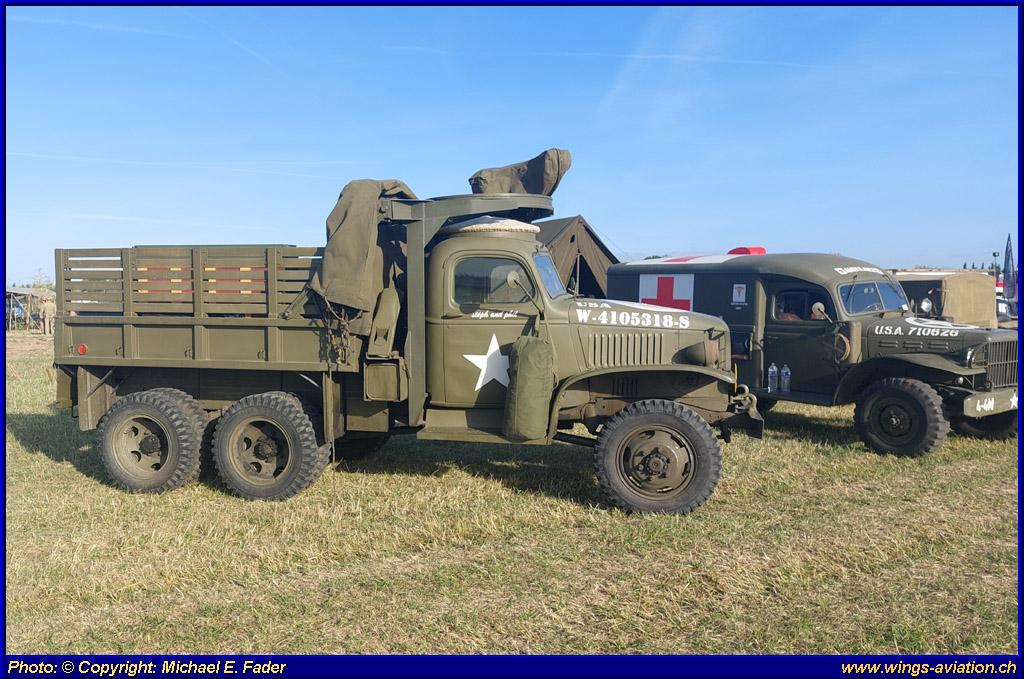
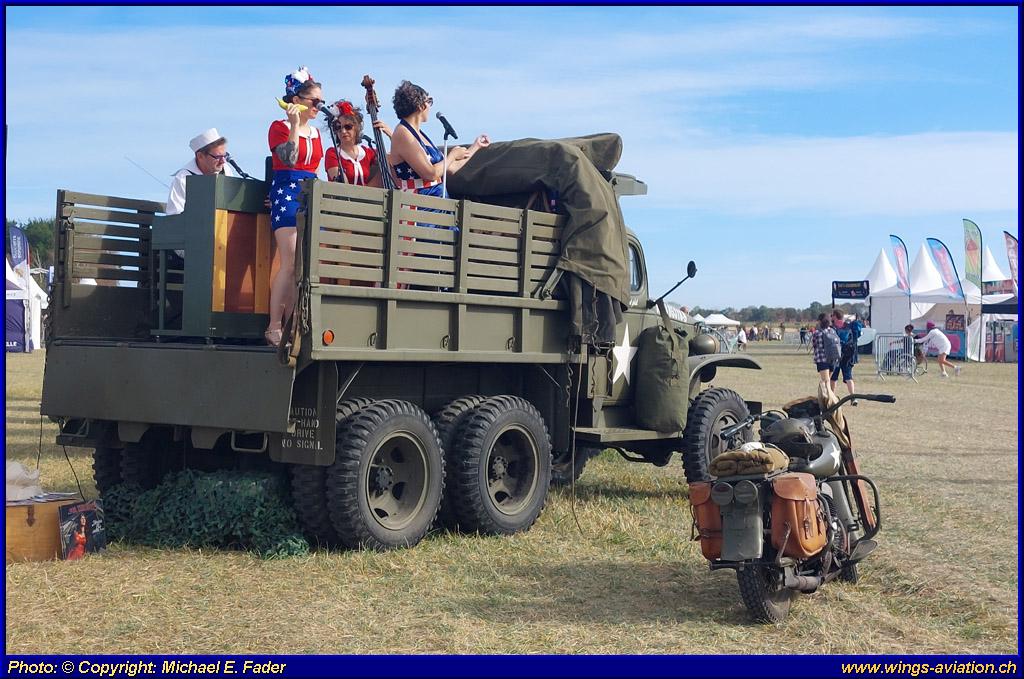
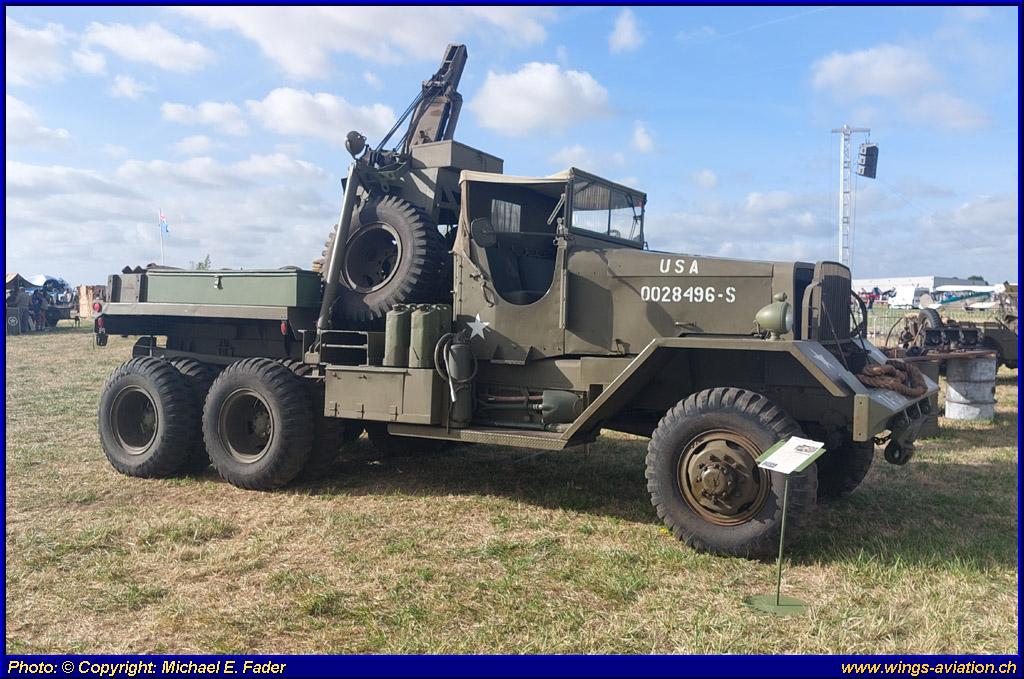
There was plenty to discover at Air Legend 2026, not only in the sky but also on the ground. Numerous historic military vehicles created an authentic atmosphere on the event site. A wide range of historic military technology was on display, from off-road vehicles and lorries to transport and support vehicles, right through to various tracked vehicles. Many of the vehicles had been meticulously restored, and some were even presented in running order. Further authenticity was provided by numerous re-enactors, who were out and about on the site in historical uniforms and with the appropriate equipment.
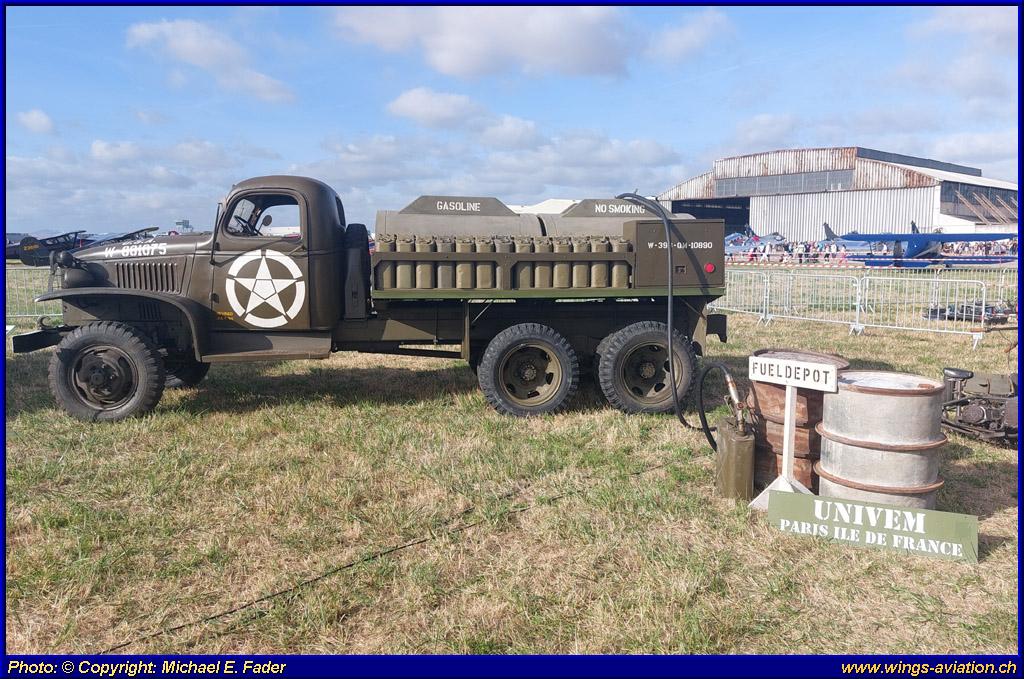
(Picture courtesy Michael E. Fader)
(Picture courtesy Michael E. Fader)
(Picture courtesy Michael E. Fader)
(Picture courtesy Michael E. Fader)
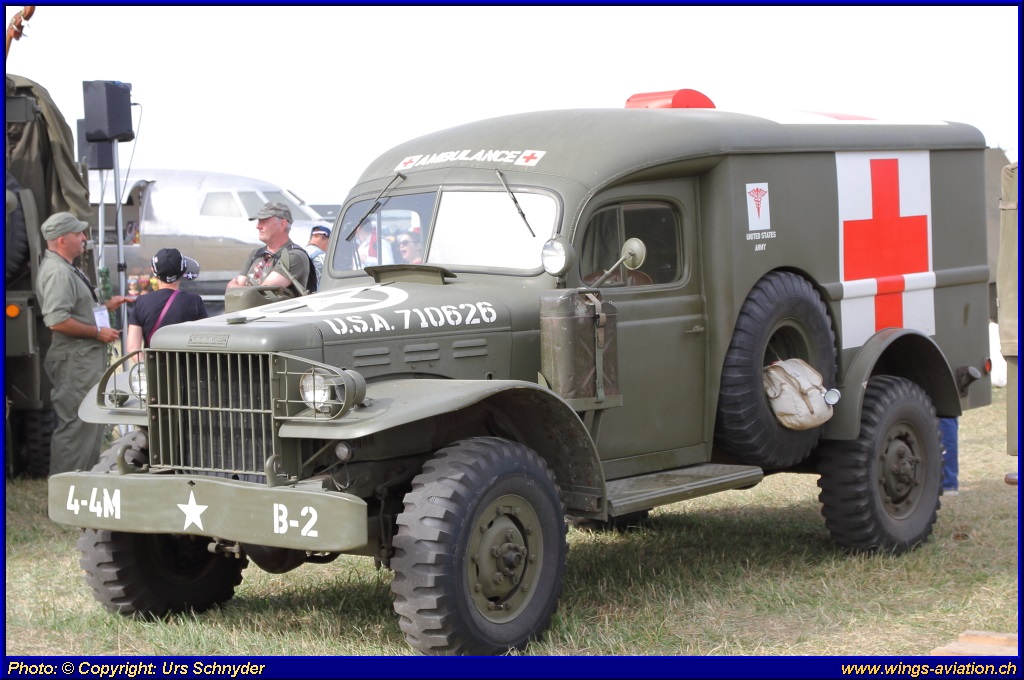
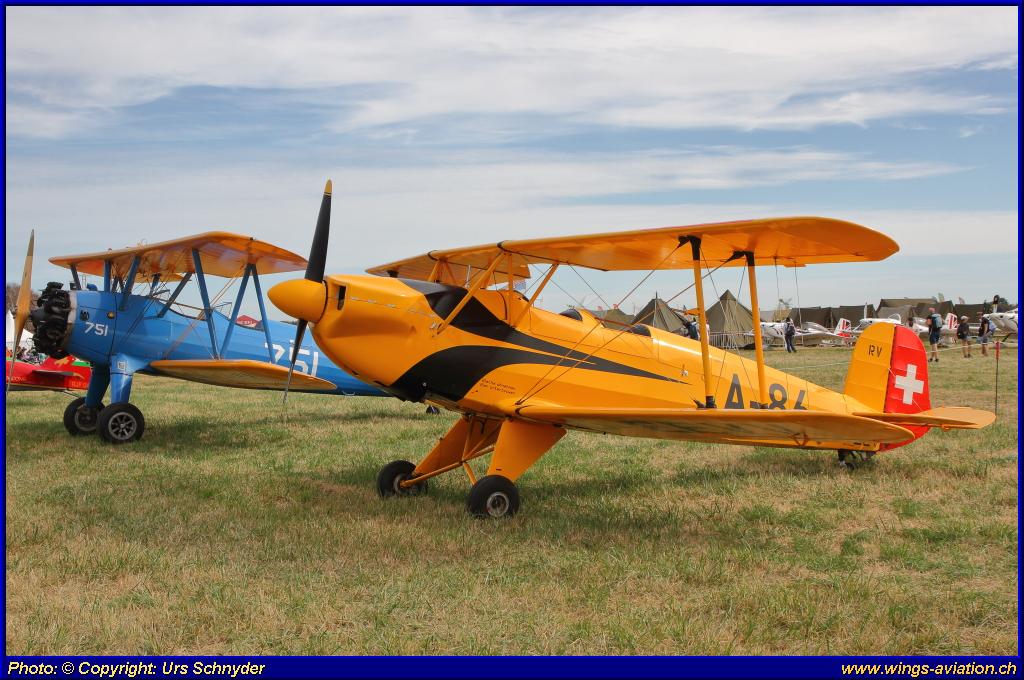
(Picture courtesy Urs Schnyder)
(Picture courtesy Urs Schnyder)
(Picture courtesy Urs Schnyder)
(Picture courtesy Urs Schnyder)
Securite Civile
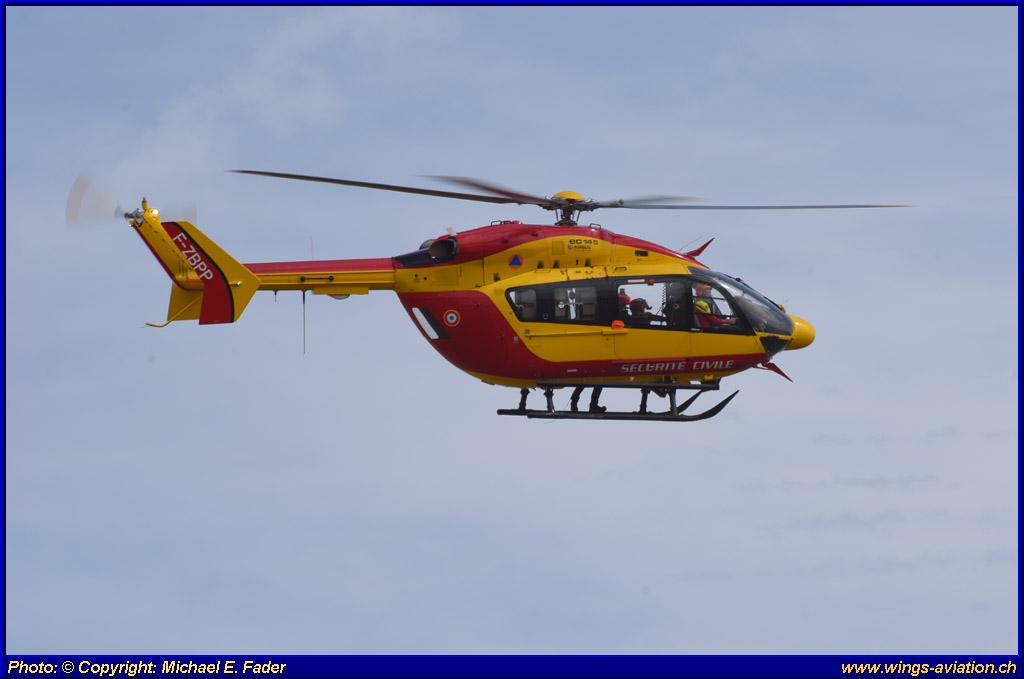
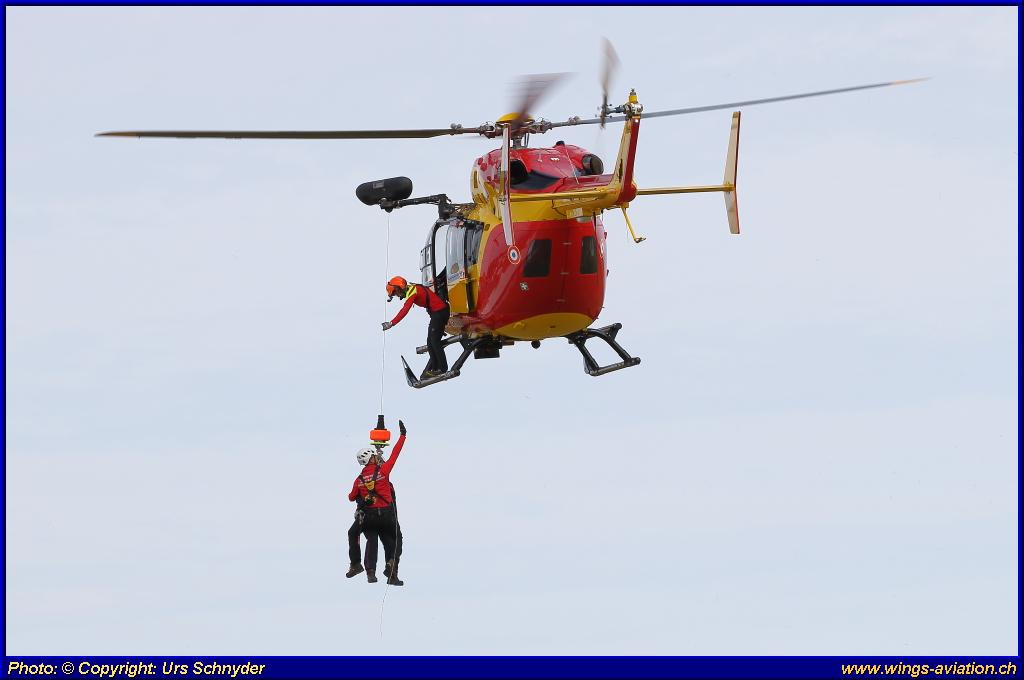
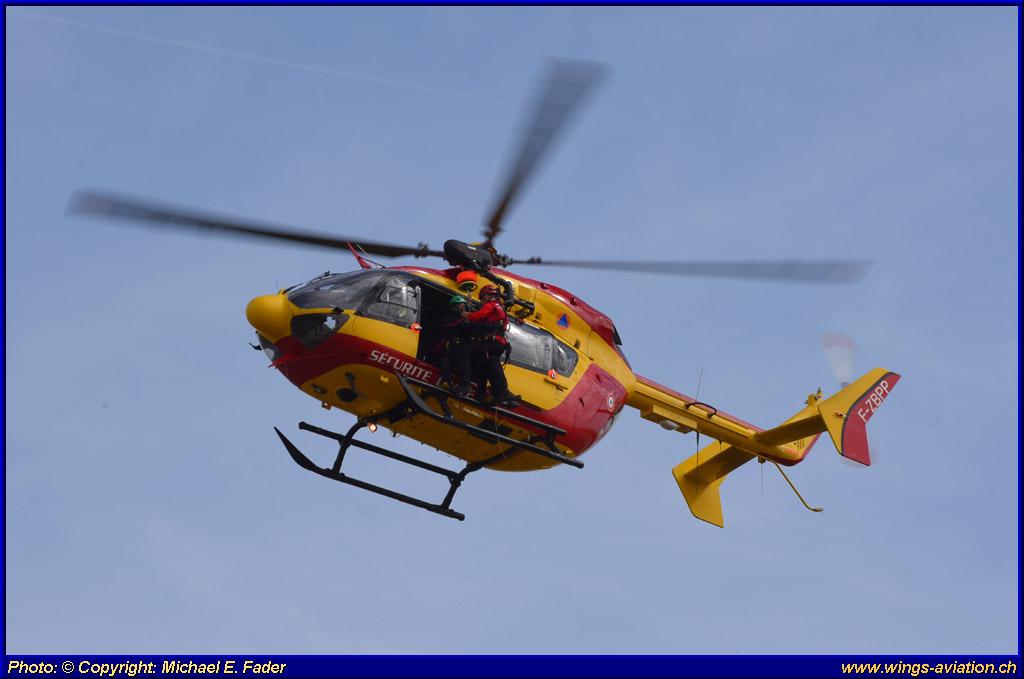
On Saturday, the Sécurité Civile’s Eurocopter EC 145, registration F-ZBPP, was called upon for a real-life rescue operation. On Sunday, however, the helicopter’s crew were able to demonstrate how an air rescue operation is carried out. As part of the demonstration, a crew member was picked up on a stretcher, playing the role of an injured person, and then flown to safety. The F-ZBPP has been in service with the Sécurité Civile as a rescue helicopter since 2003. During this time, the helicopter has been stationed at several air rescue centres throughout France.
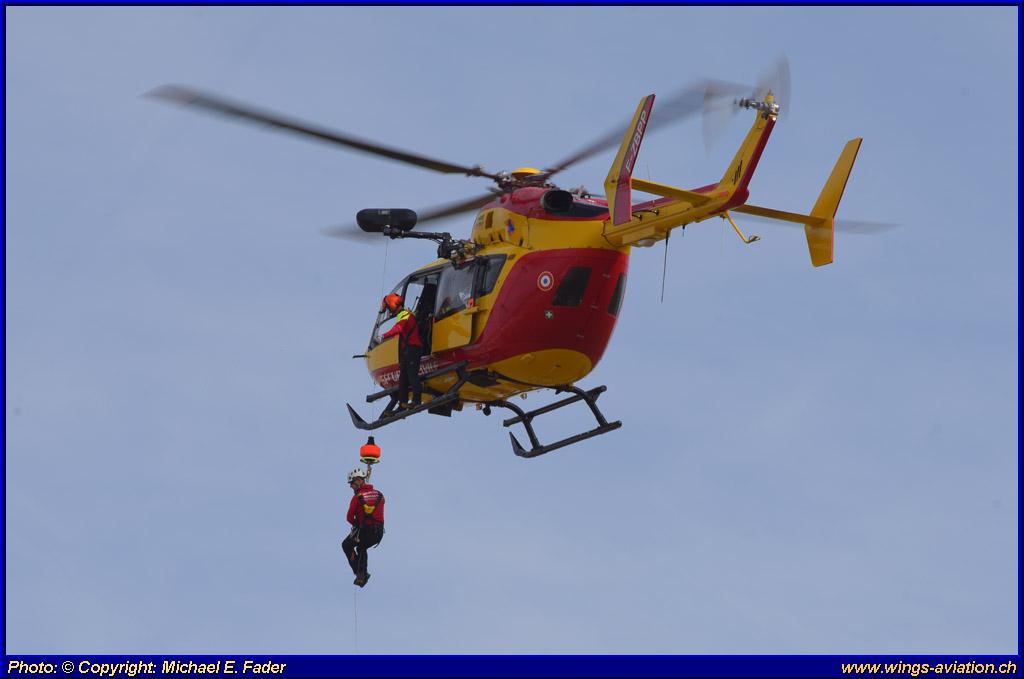
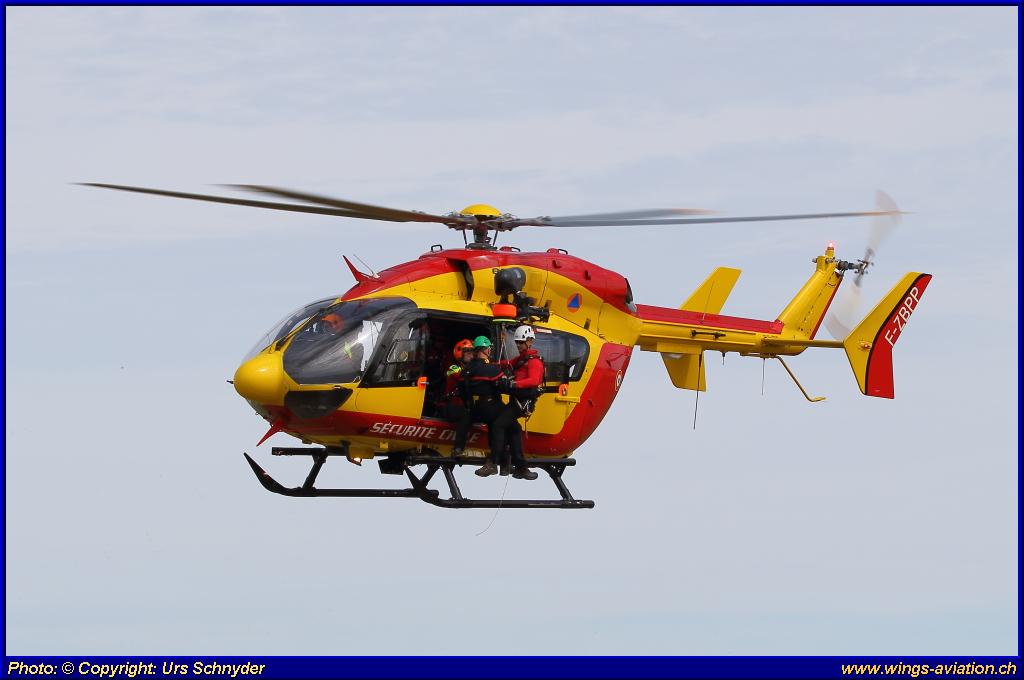
(Picture courtesy Michael E. Fader)
(Picture courtesy Urs Schnyder
(Picture courtesy Michael E. Fader)
(Picture courtesy Michael E. Fader)
(Picture courtesy Urs Schnyder
Guests from the UK
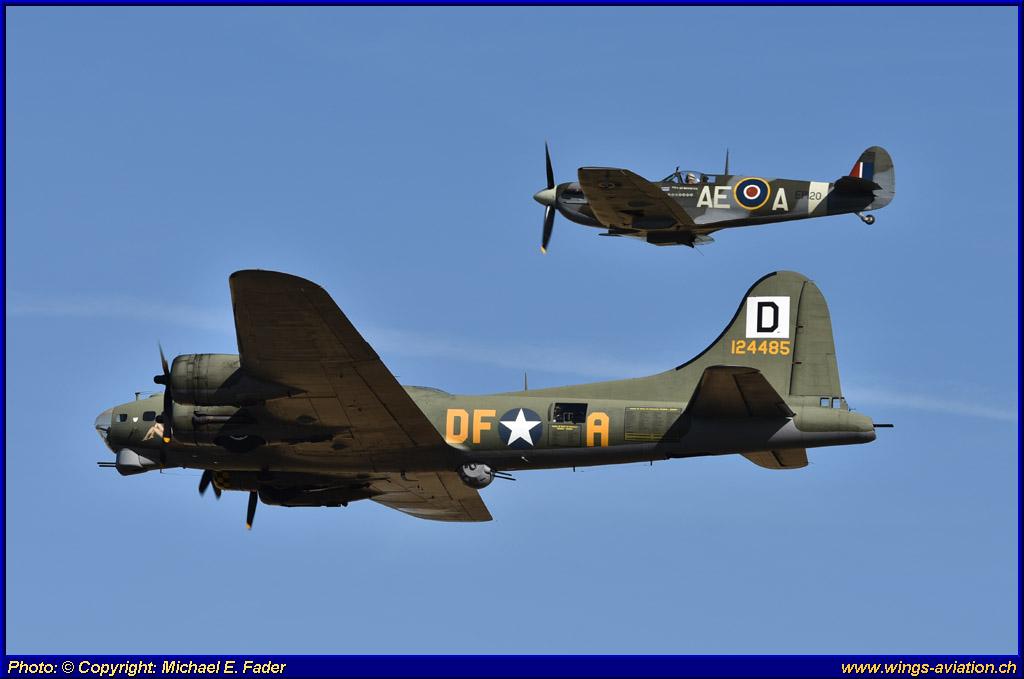
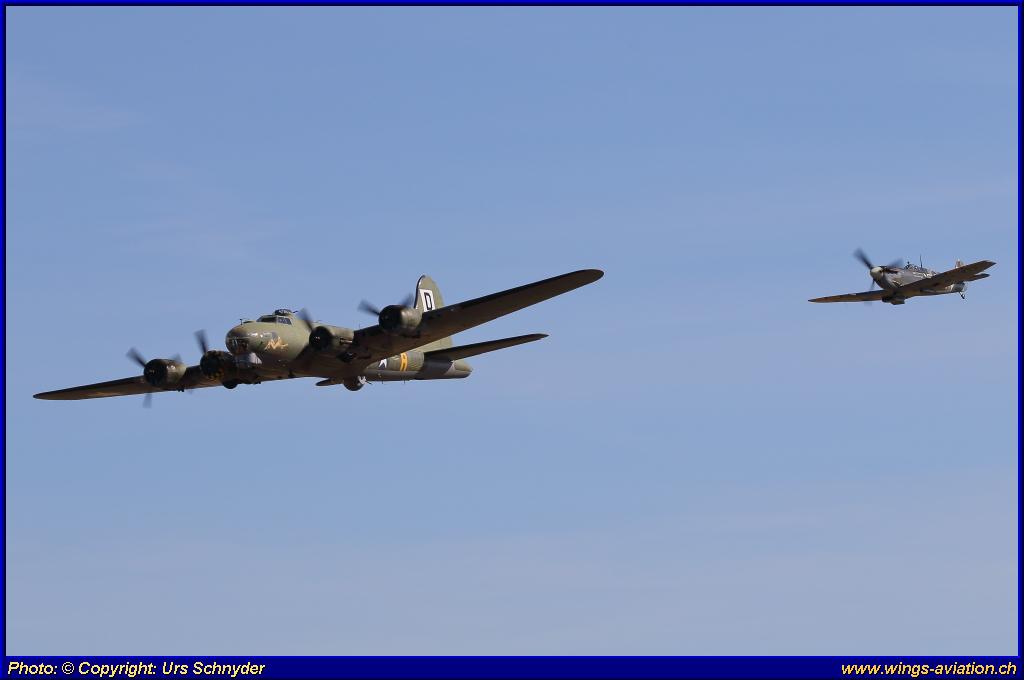
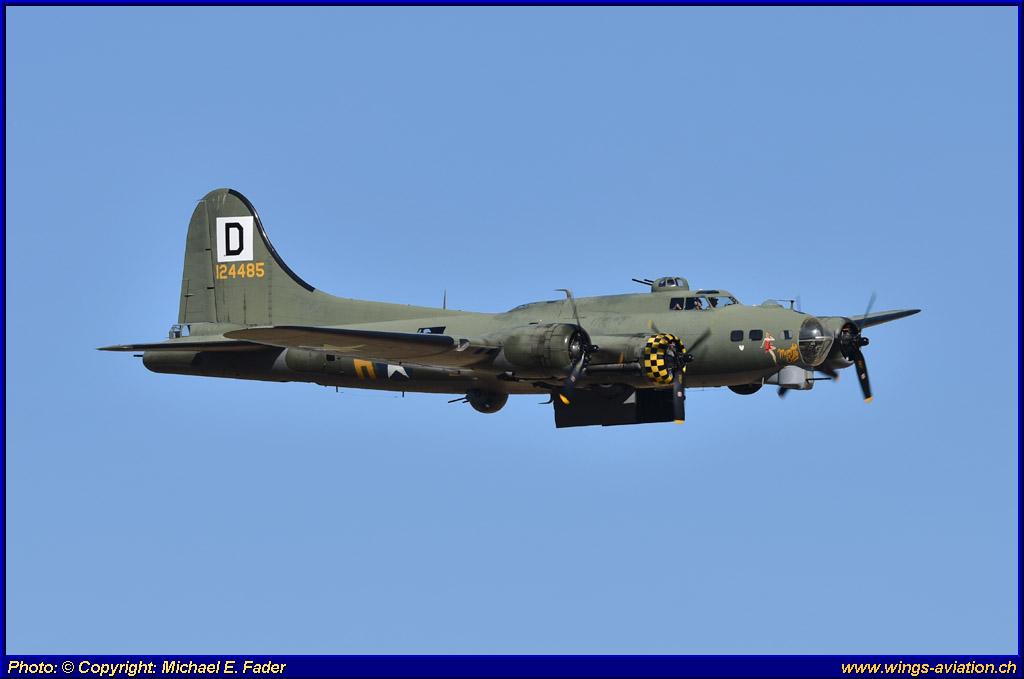
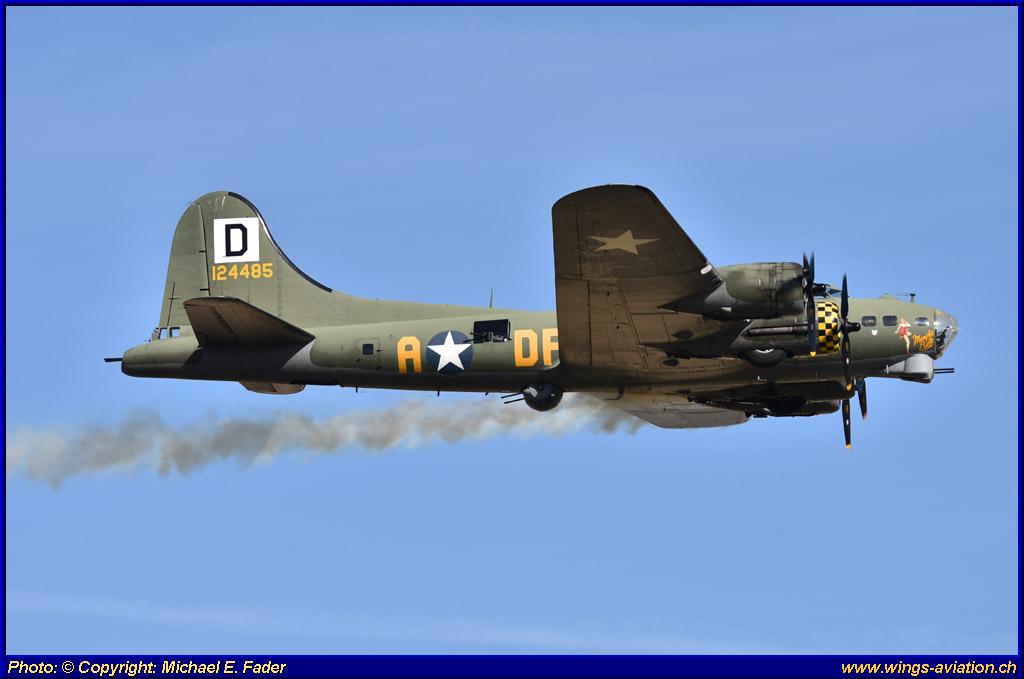
Europe’s only airworthy Boeing B-17G Flying Fortress, ‘Sally B’, is a regular feature at Air Legend – and will be at the 2026 event as well. The aircraft was delivered to the United States Army Air Forces (USAAF) on 19 June 1945 with the registration number 44-85784, but arrived too late to be deployed during the Second World War. Initially converted to the TB-17G training variant and later to the EB-17G, the aircraft was struck from the USAAF register in 1954. In the same year, the Institut Géographique National in France acquired the aircraft and used it as a surveying aircraft.
In 1975, the B-17 was transferred to England and registered under the registration mark G-BEDF. It was there that work began on restoring it to its wartime operational condition – the basis for its current appearance as the "Sally B".
Since 1985, ‘Sally B’ has been operated by Elly Sallingboe’s company "B-17 Preservation Ltd" and is serviced and maintained by chief engineer Peter Brown and a dedicated team of volunteers. The aircraft’s livery still bears some resemblance to the famous "Memphis Belle". At the same time, the distinctive "Sally B" livery and the black-and-yellow chequerboard pattern on the cowling of the right-hand inner engine (No. 3) have been restored. The pattern pays homage to Elly Sallingboe’s partner, Ted White, whose Harvard also bore this striking chequerboard pattern on its cowling.
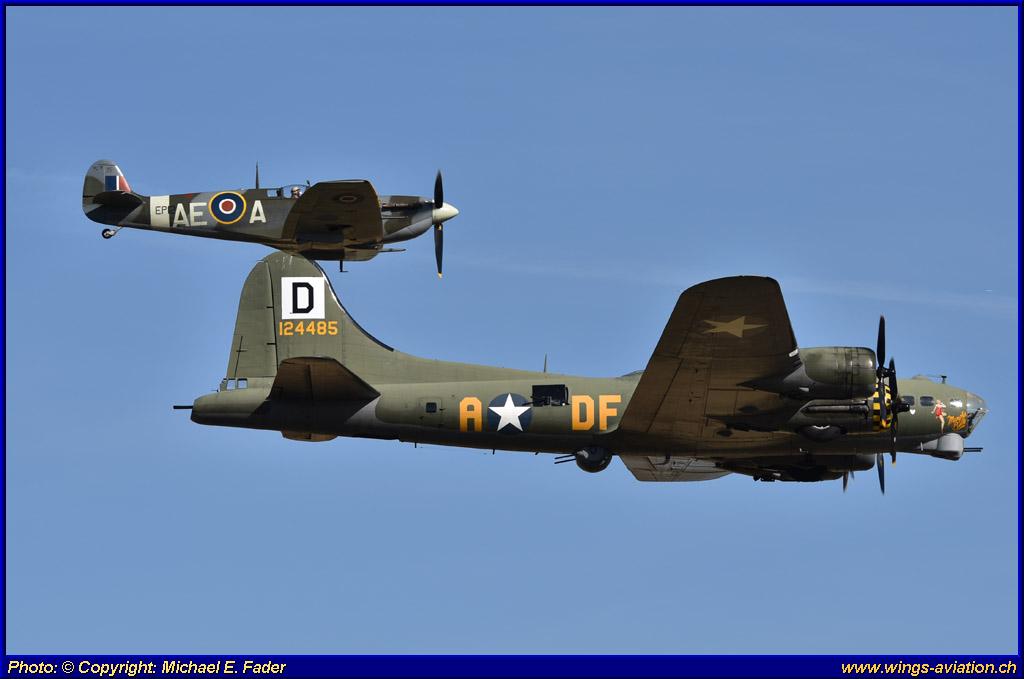
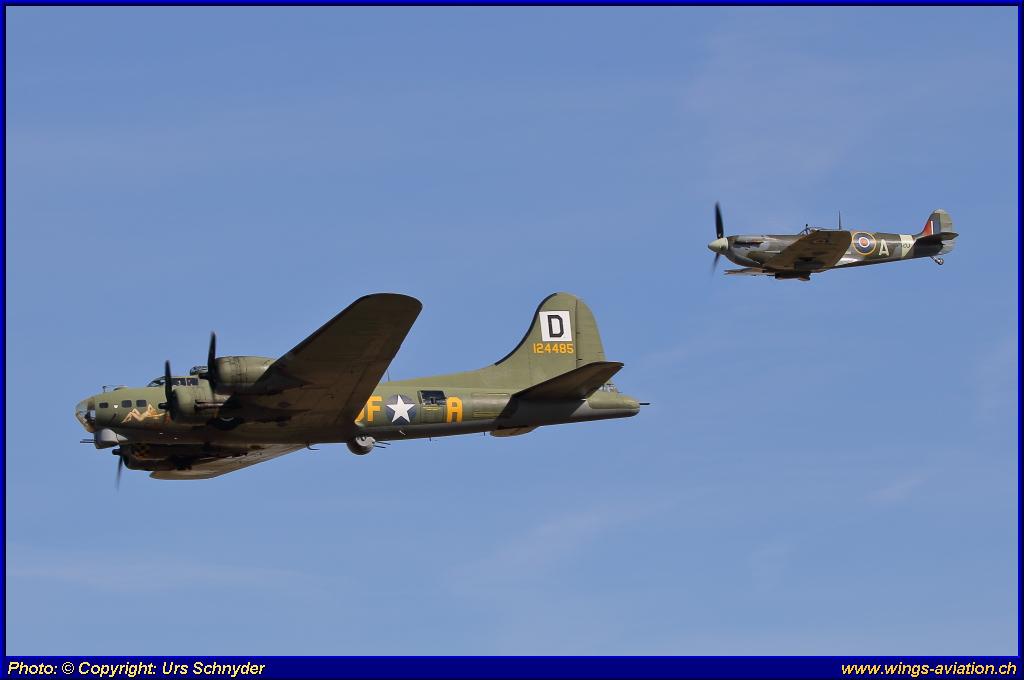
(Picture courtesy Michael E. Fader)
(Picture courtesy Urs Schnyder
(Picture courtesy Urs Schnyder
(Picture courtesy Michael E. Fader)
(Picture courtesy Michael E. Fader)
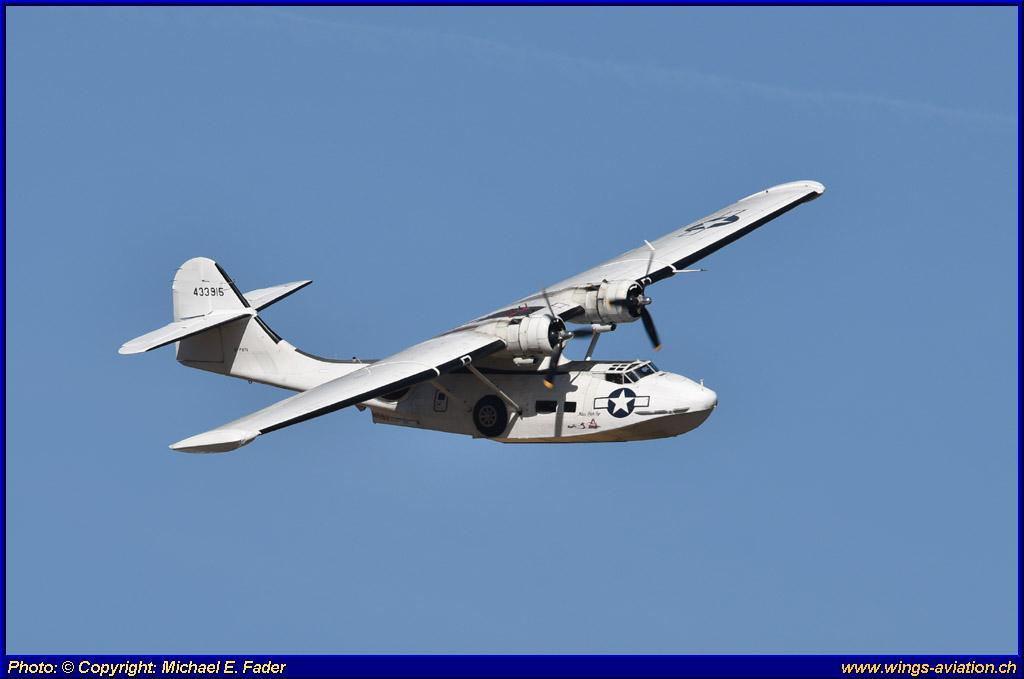
“Miss Pick Up” was built in Canada in 1943 by Canadian Vickers as a PBV-1A Canso A. During the Second World War, it served with the Royal Canadian Air Force, including in anti-submarine warfare and maritime patrols. After the war, the aircraft underwent several modifications and was used, amongst other things, as a water bomber to fight forest fires in Canada and France. In 2004, it arrived in the UK and was stationed at the IWM Duxford. Since 2005, ‘Miss Pick Up’ has been painted in the livery of an American OA-10A Catalina from the 5th Emergency Rescue Squadron based at Halesworth, Suffolk. At first glance, it therefore looks like an original American Catalina. In fact, however, it is a Canadian Canso – a variant of the Catalina built under licence in Canada.
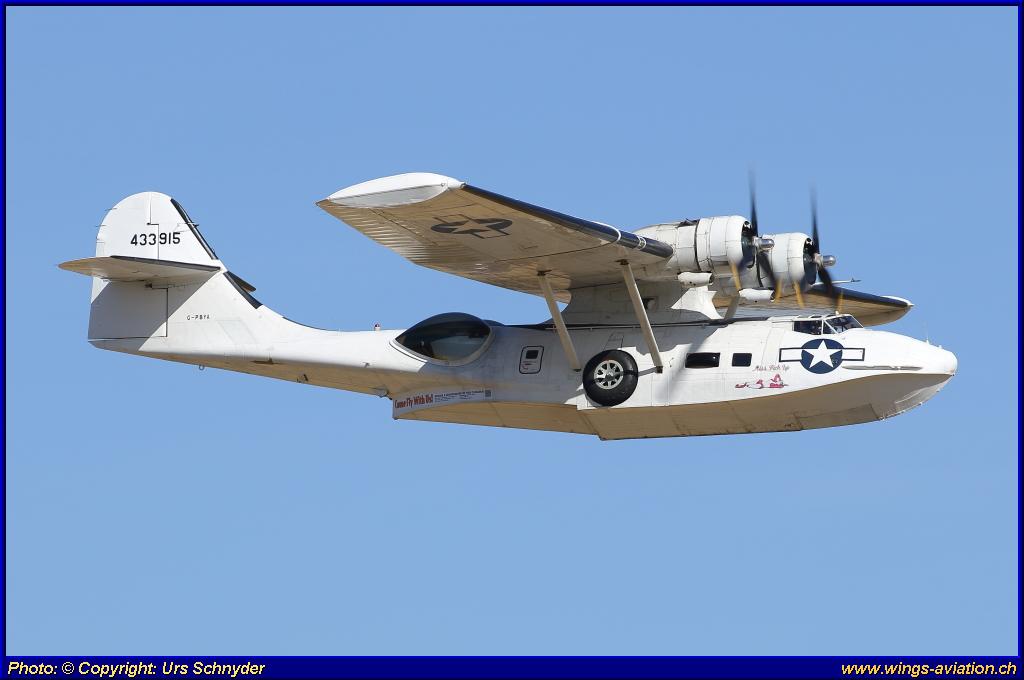
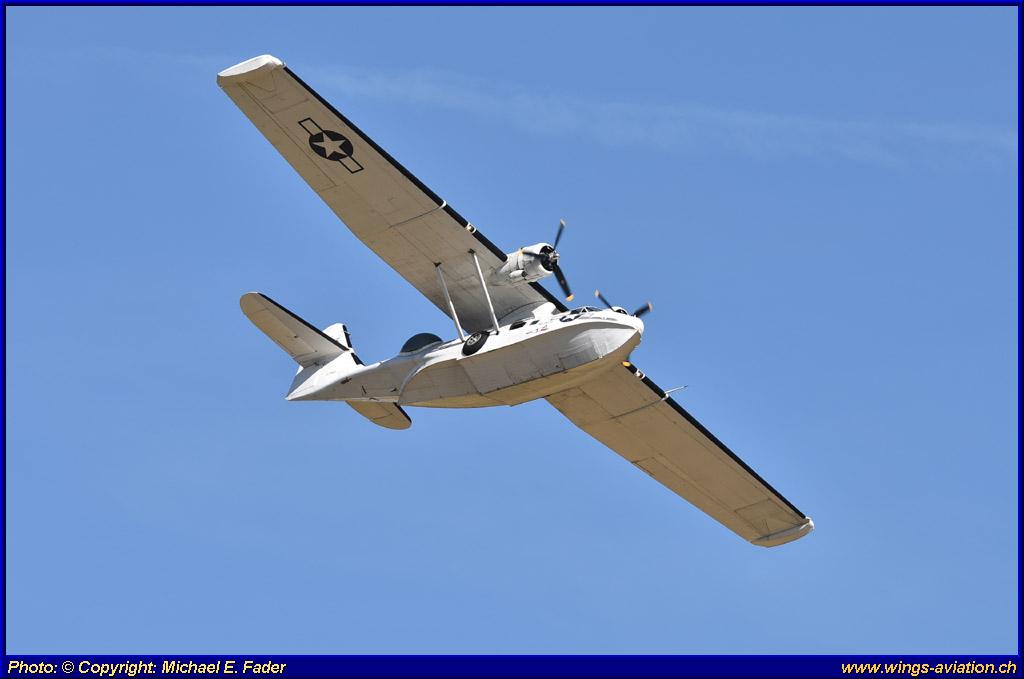
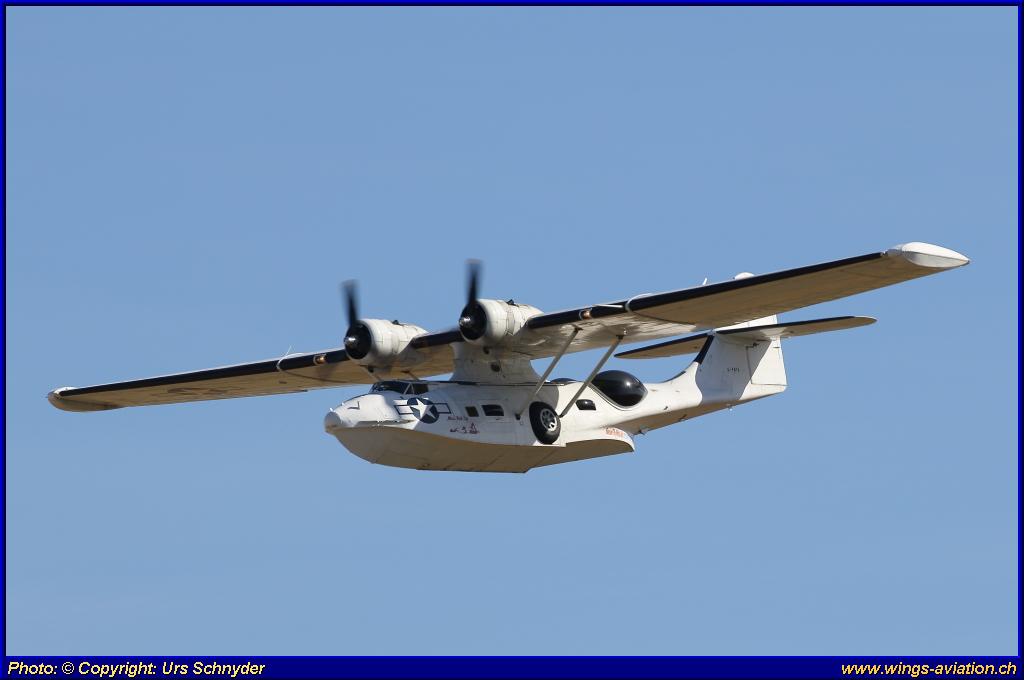
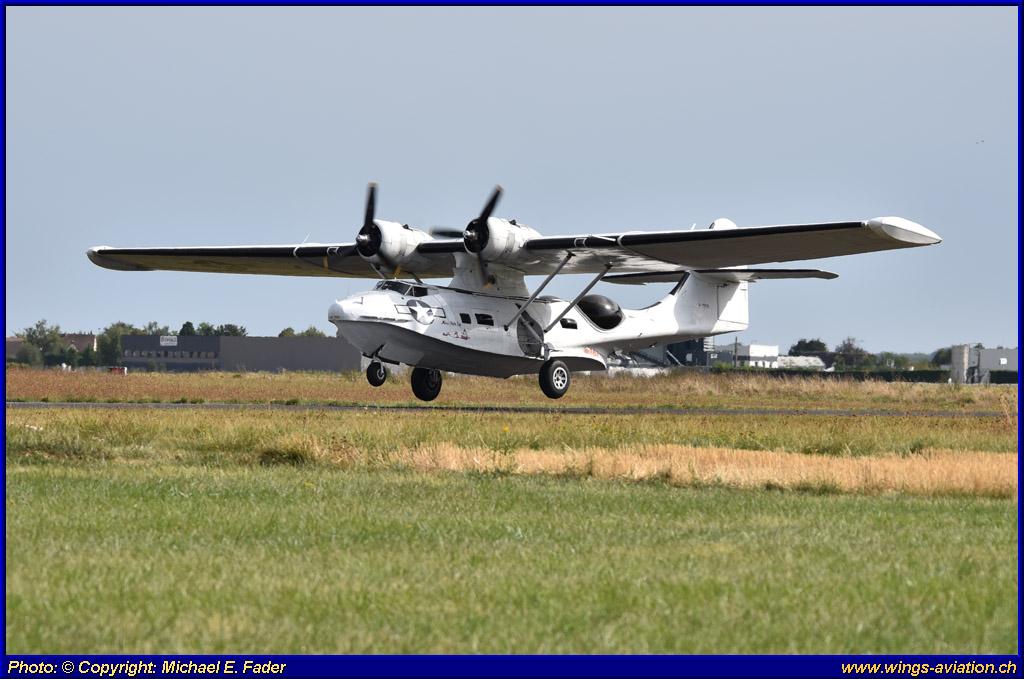
(Picture courtesy Michael E. Fader)
(Picture courtesy Urs Schnyder
(Picture courtesy Michael E. Fader)
(Picture courtesy Urs Schnyder
(Picture courtesy Michael E. Fader)
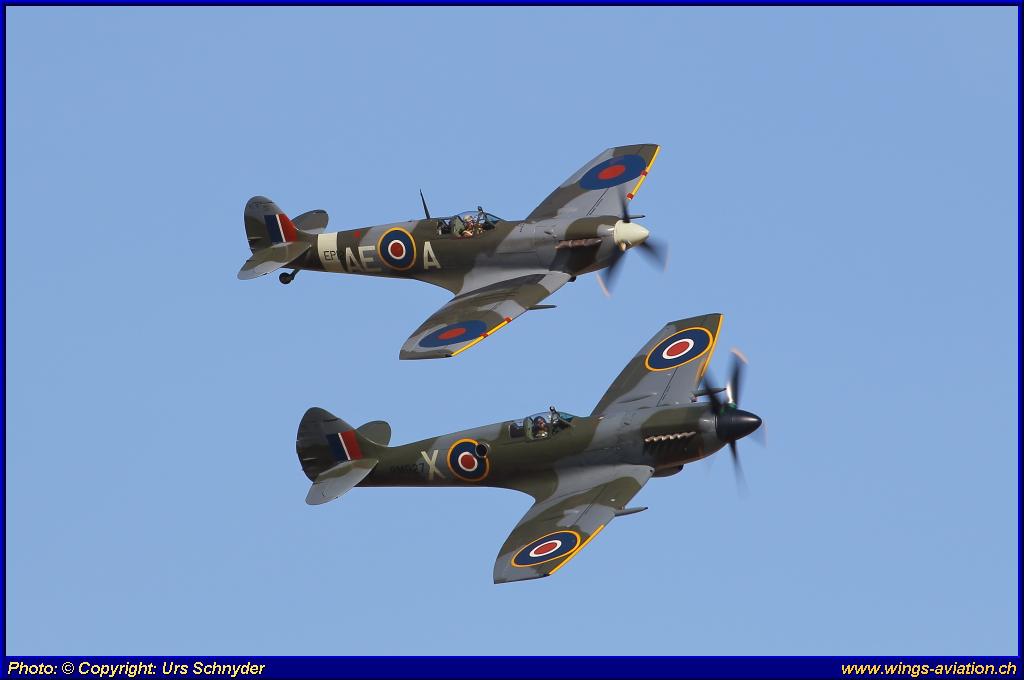
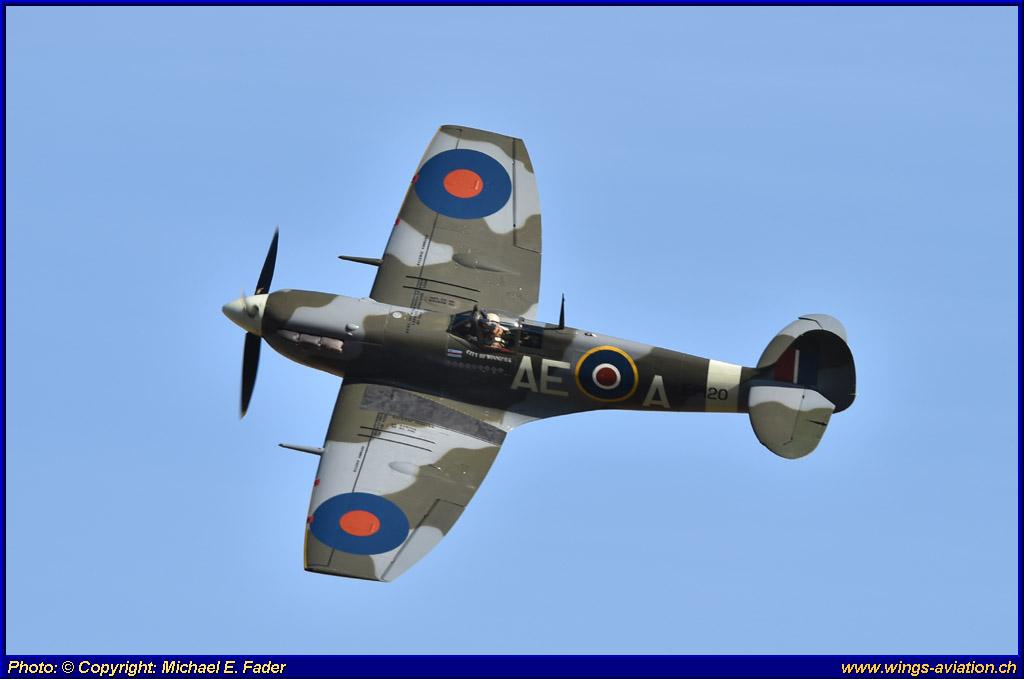
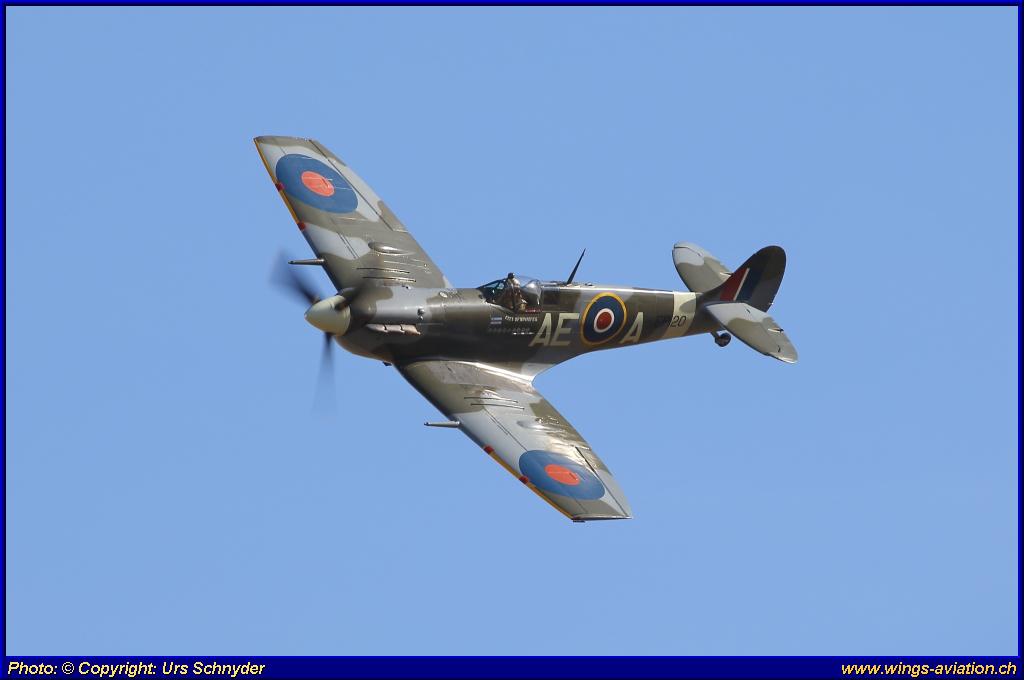
Other guests included two Supermarine Spitfires, which impressively demonstrated the technical evolution of this legendary fighter aircraft. An early Spitfire Mk.Vb (G-LFVB) with clipped wingtips and the classic Merlin engine was accompanied by a late-model Spitfire Mk.XIV (F-AYXX) fitted with the significantly more powerful Griffon engine. The Spitfire Mk.XIV (F-AYXX) previously bore the registration G-SXIV and was based in England. The aircraft has now been stationed at La Ferté-Alais since 5 August 2022.
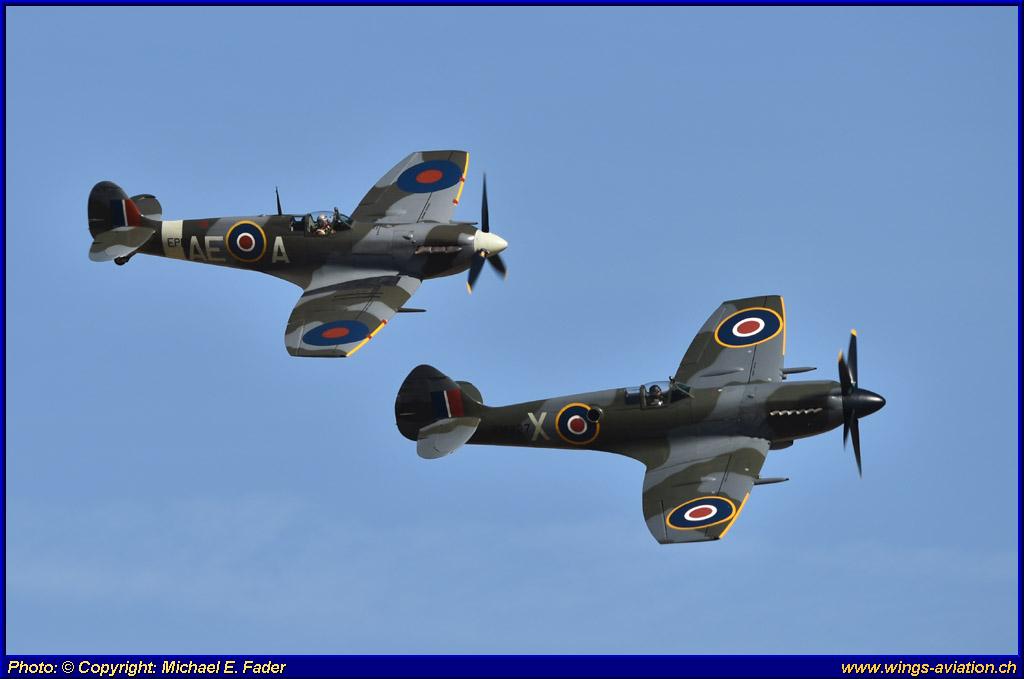
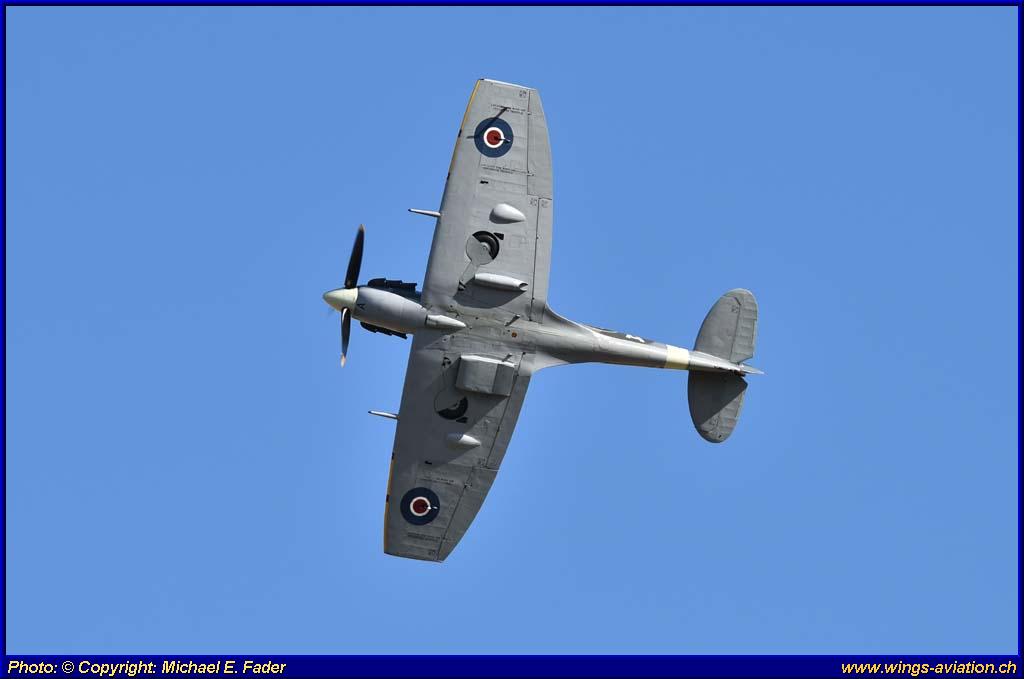
(Picture courtesy Michael E. Fader) recht ähnlich !
(Picture courtesy Urs Schnyder) recht ähnlich !
(Picture courtesy Michael E. Fader)
(Picture courtesy Urs Schnyder)
(Picture courtesy Michael E. Fader) Ev. ersetzen
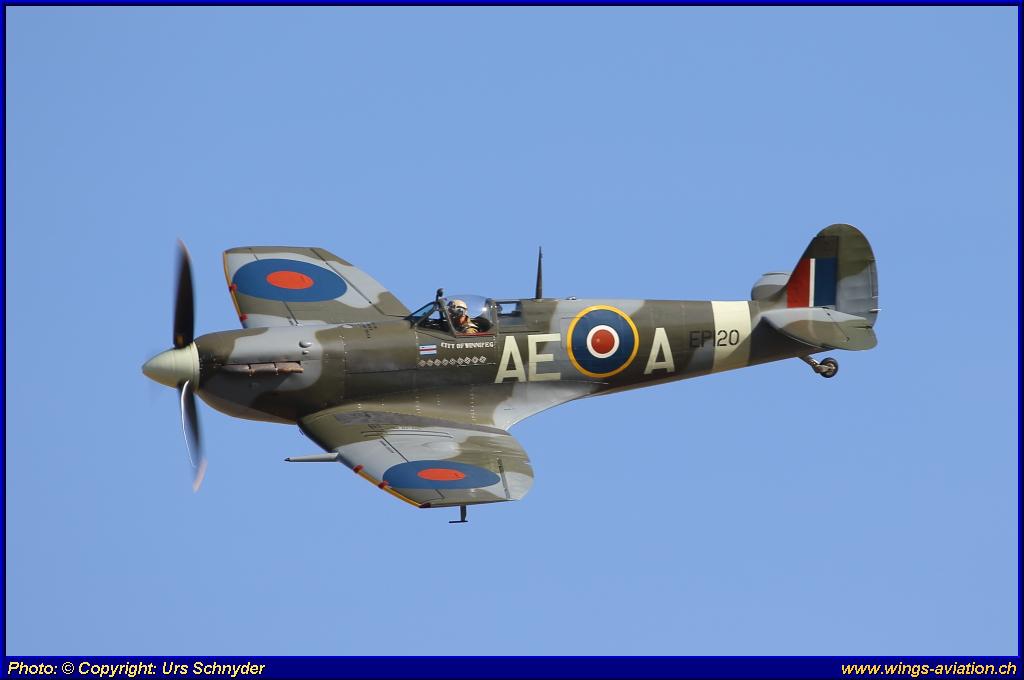
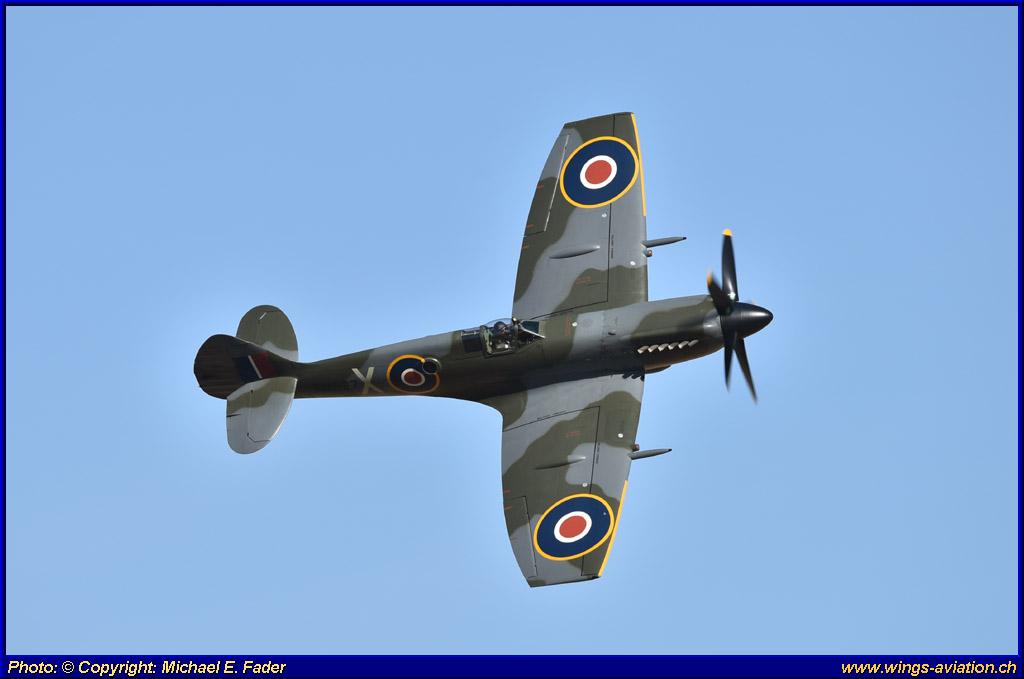
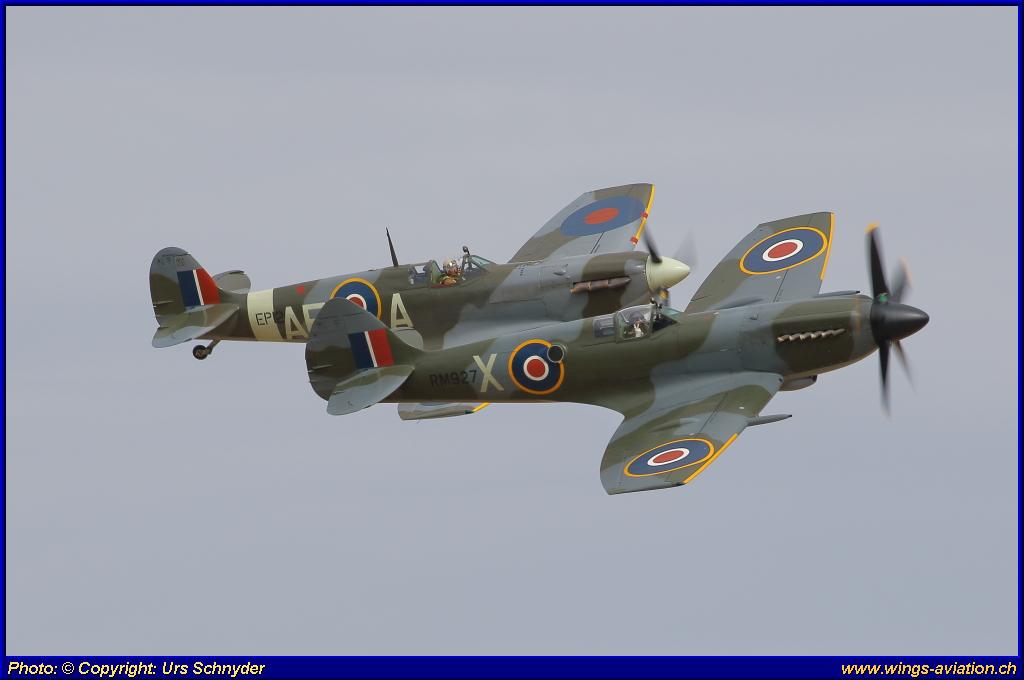
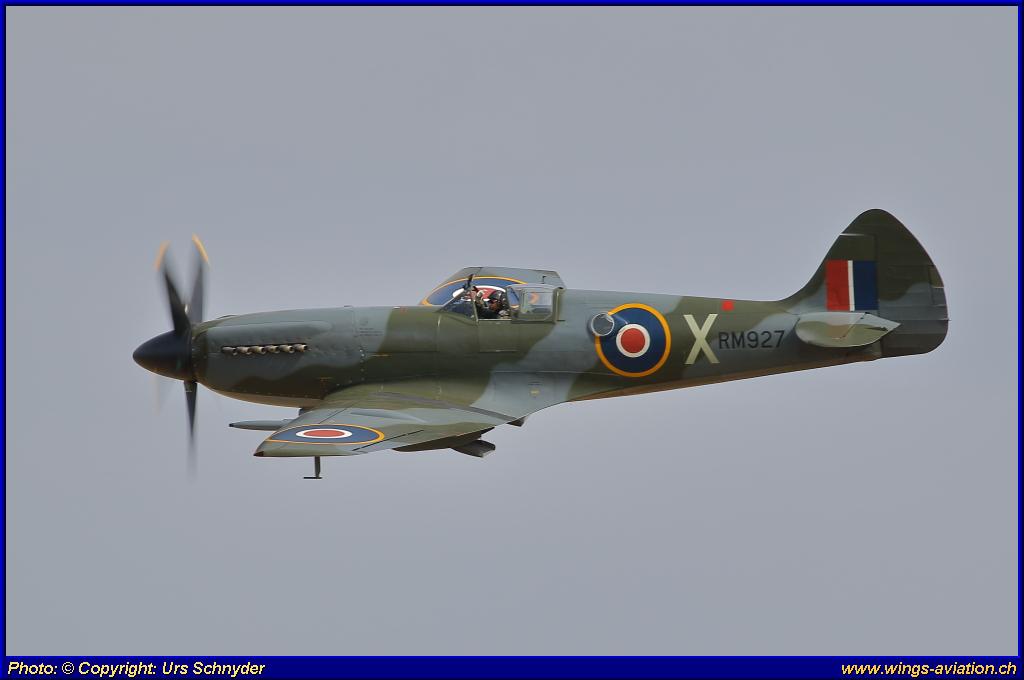
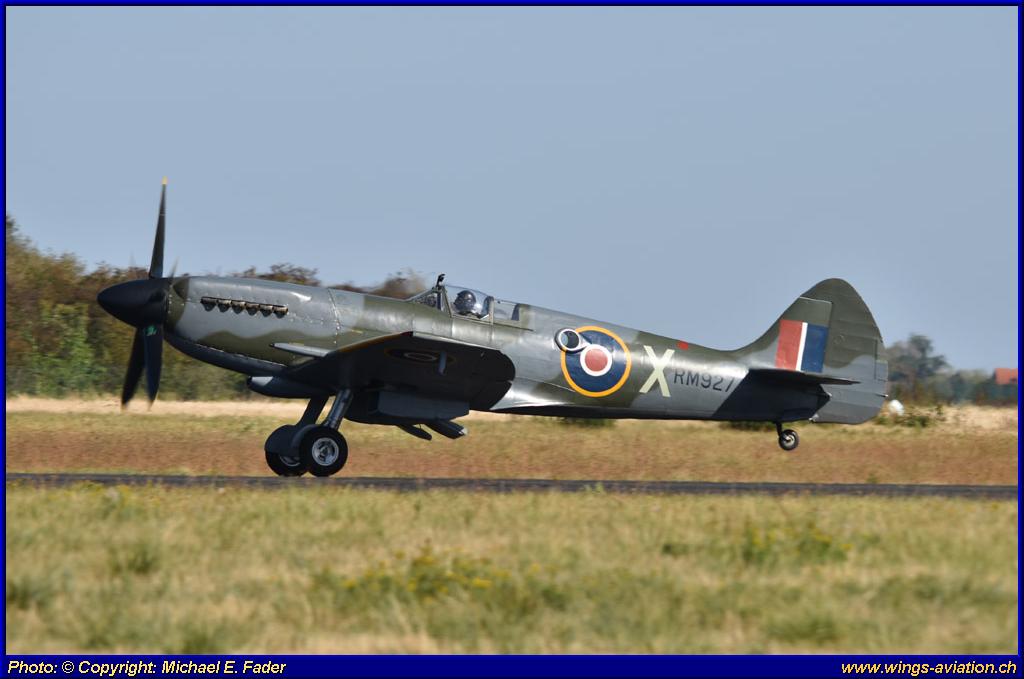
(Picture courtesy Urs Schnyder)
(Picture courtesy Michael E. Fader)
(Picture courtesy Urs Schnyder)
(Picture courtesy Urs Schnyder)
(Picture courtesy Michael E. Fader)
Royal Jordanian Falcons
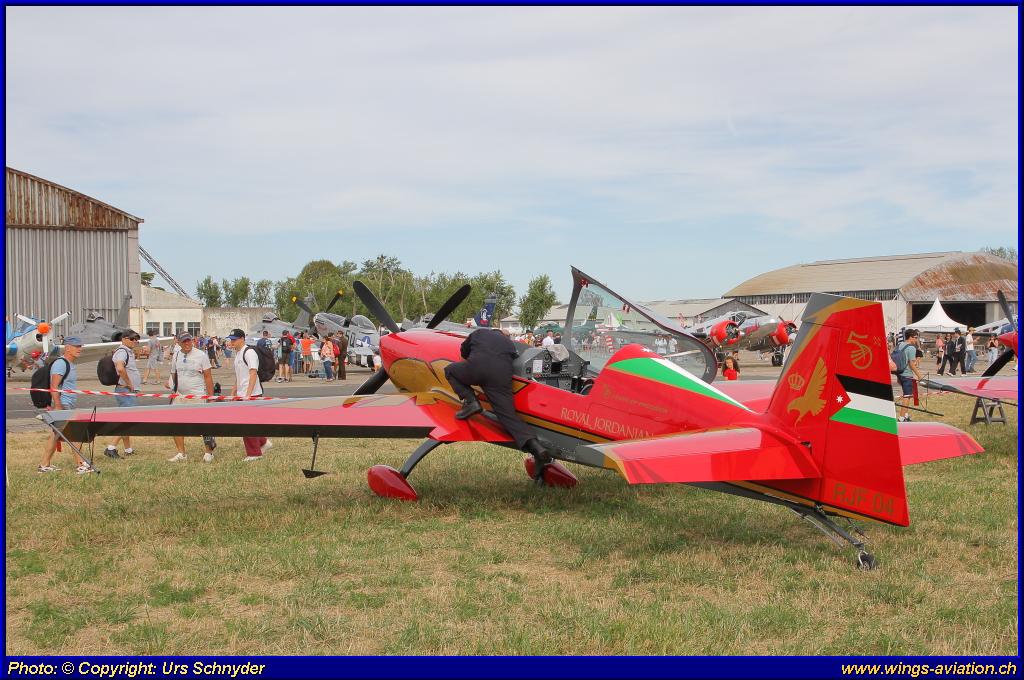
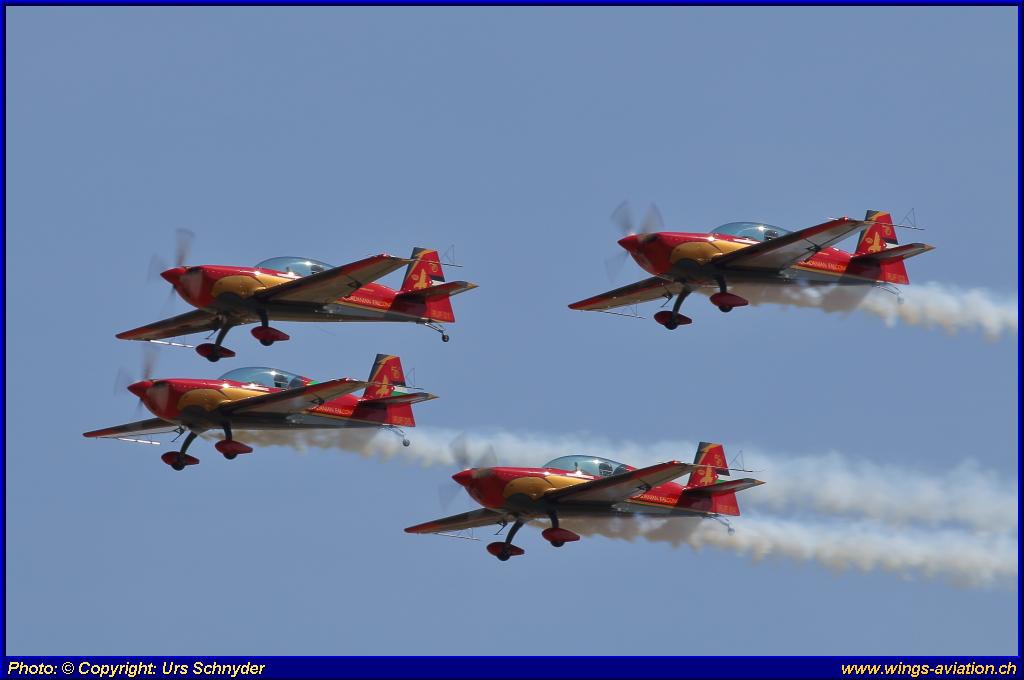
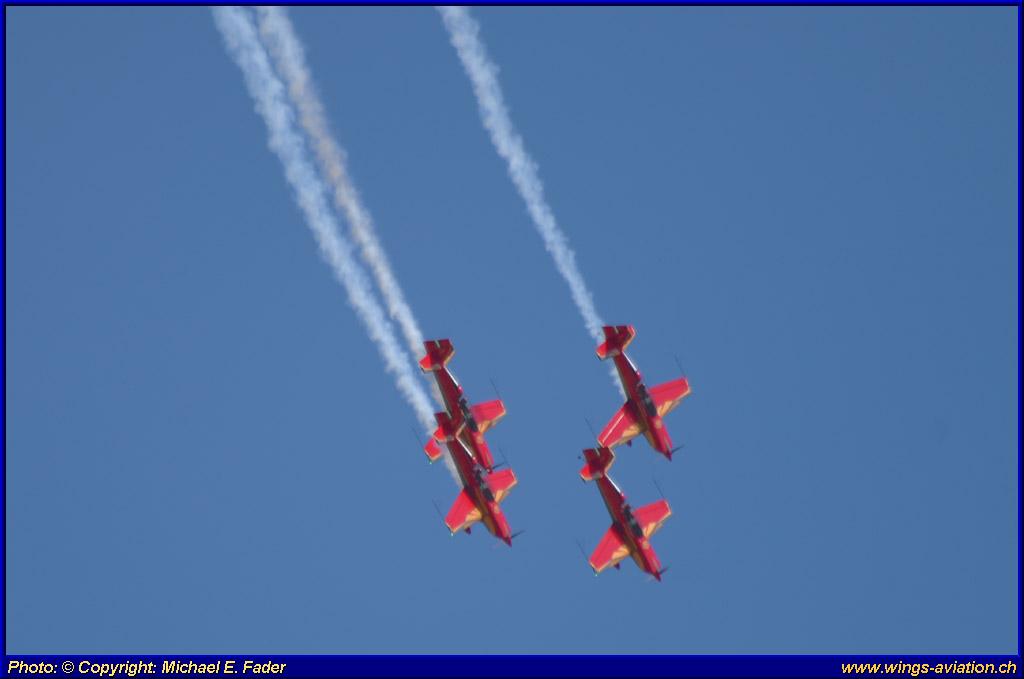
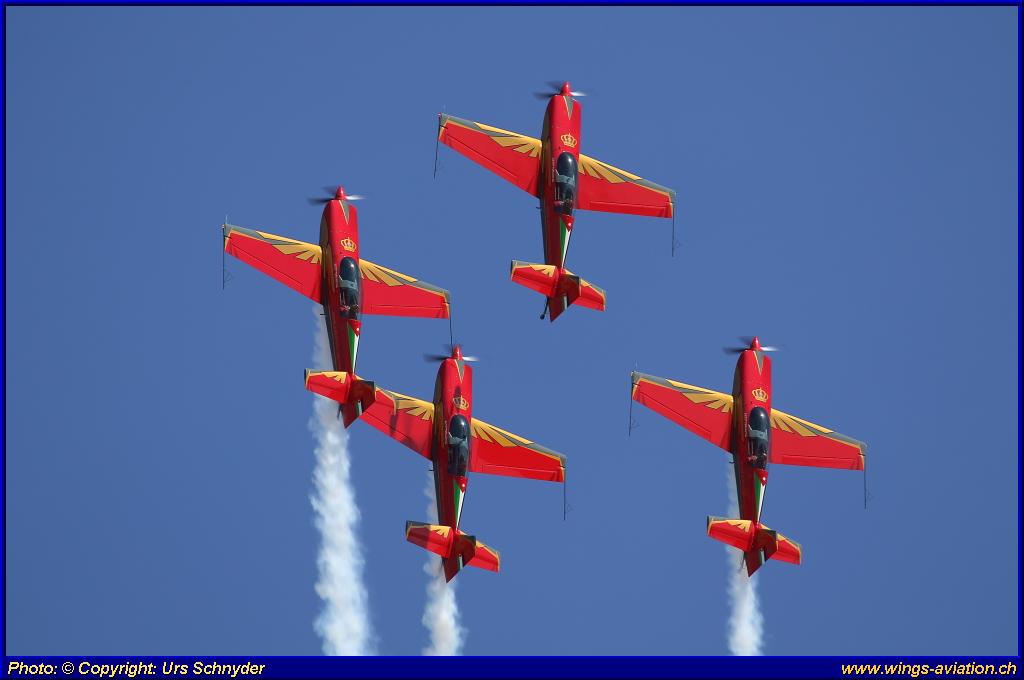
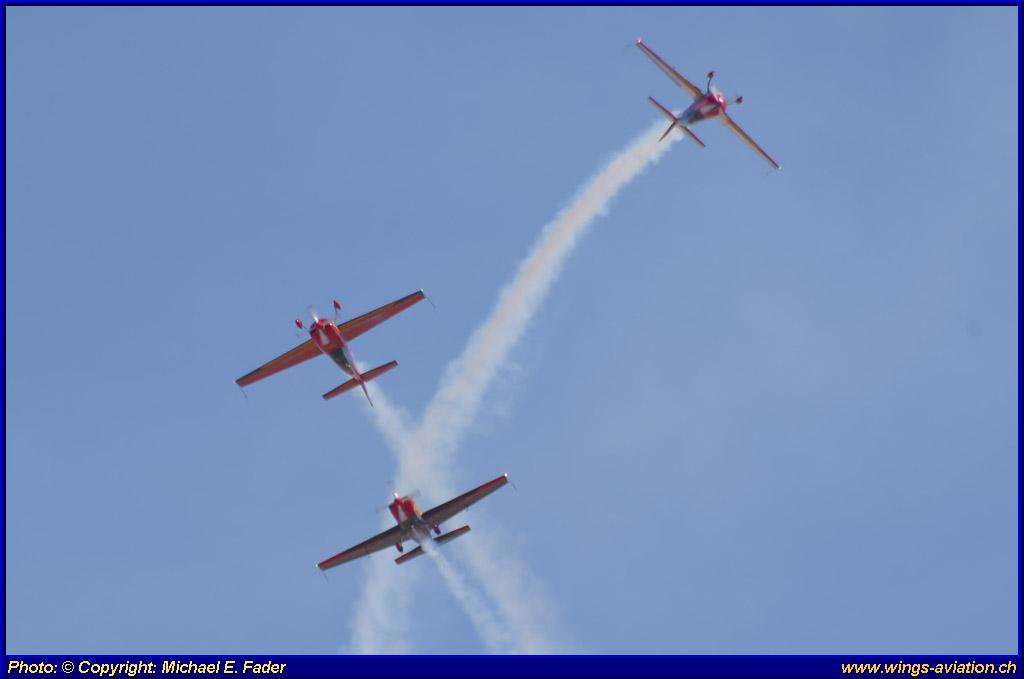
The Royal Jordanian Falcons will return to Europe in 2026 to mark their 50th anniversary. During this anniversary year, the Jordanian aerobatic team will visit Belgium, the United Kingdom, Germany and France, where they will perform a total of seven air shows. In their current formation, the Royal Jordanian Falcons fly four Extra 330LX aircraft. Since their formation in 1976 on the initiative of King Hussein bin Talal, the team’s pilots have been thrilling audiences around the globe with their precise formation flying and spectacular manoeuvres.
The team’s history dates back to the 1970s. Initially, the Royal Jordanian Falcons flew two Pitts Special S-2A aircraft. The fleet was later expanded to include a third aircraft, enabling displays in a three-aircraft formation. In 1982, four new Pitts Special S-2S aircraft were added, which remained in service until 1992. In 1992, the team completely converted its fleet to five Extra 300s. In 2007, these were replaced by five new Extra 300Ls. The next fleet change took place recently: five new Extra 330LXs were procured, four of which are currently used in the display formation.
The team for the 2026 season consists of Captain Jamil Zayyad (Director of Operations / Leader), Captain Ahmad Al Qudah (Right Wing), Captain Mohammad Qoul (Left Wing) and Captain Sharif Hatouq (Solo / Slot). To mark their return to Europe, the Royal Jordanian Falcons are celebrating their 50th anniversary with another tour, during which they will showcase their long-standing aerobatic tradition and the capabilities of their modern aircraft.
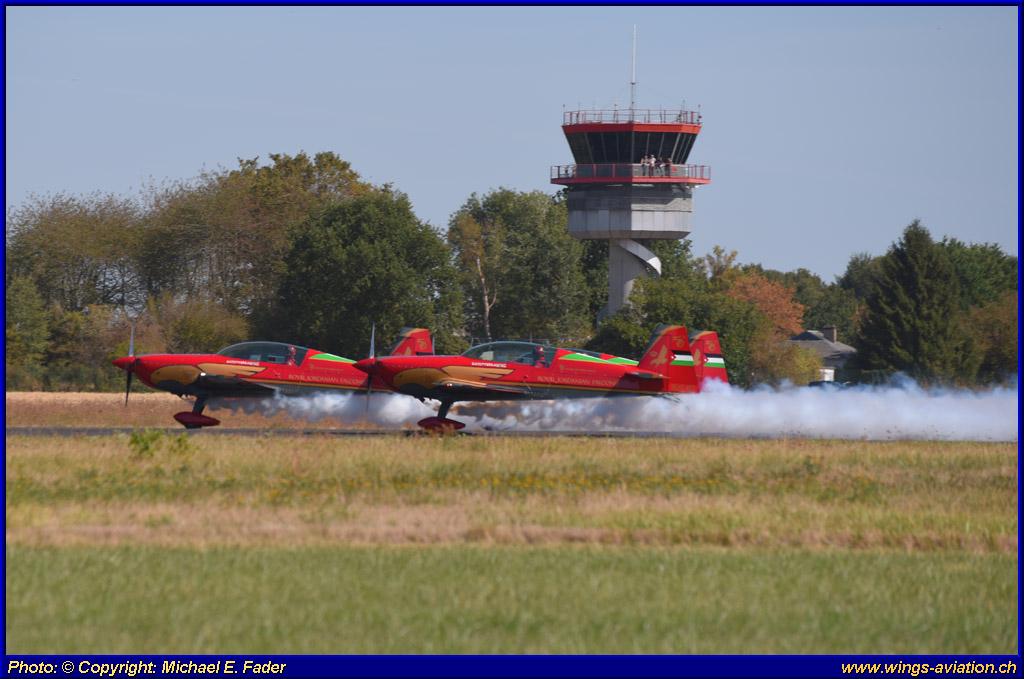
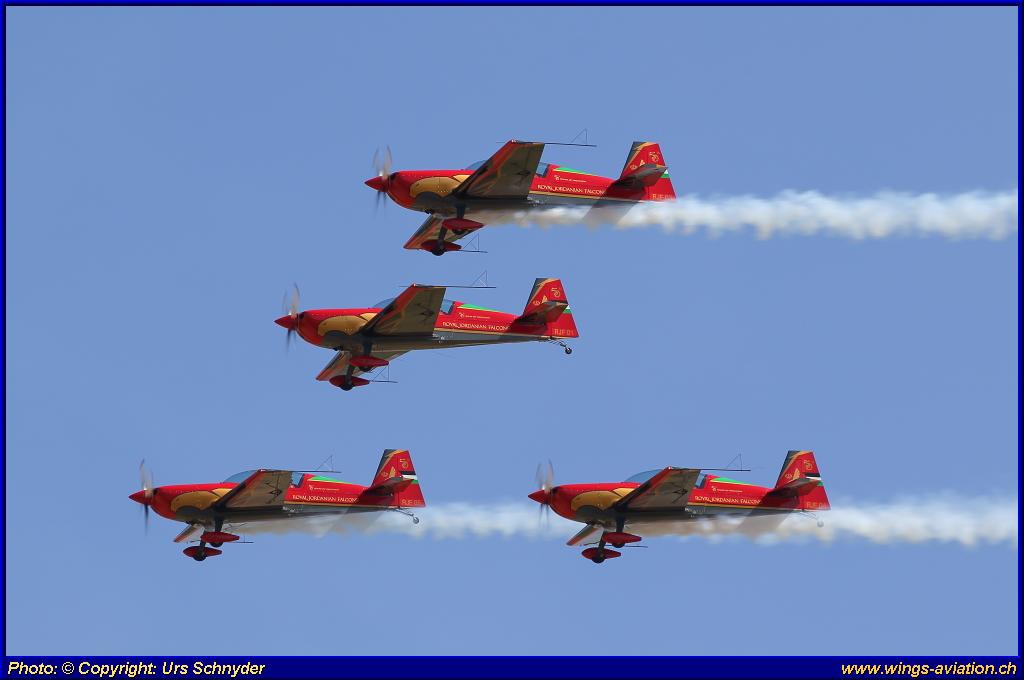
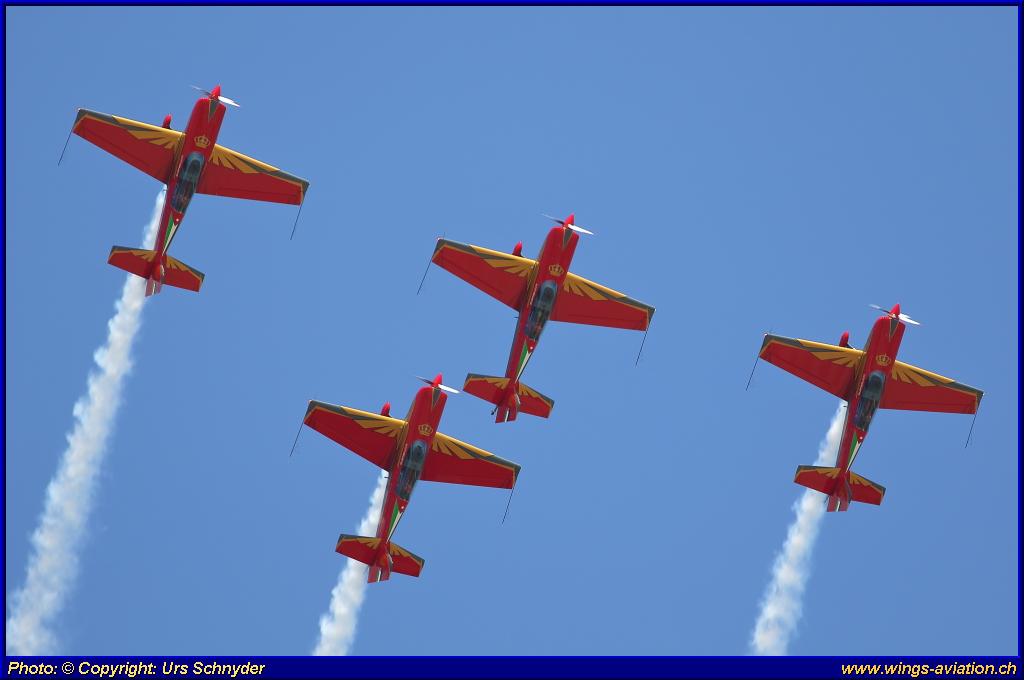
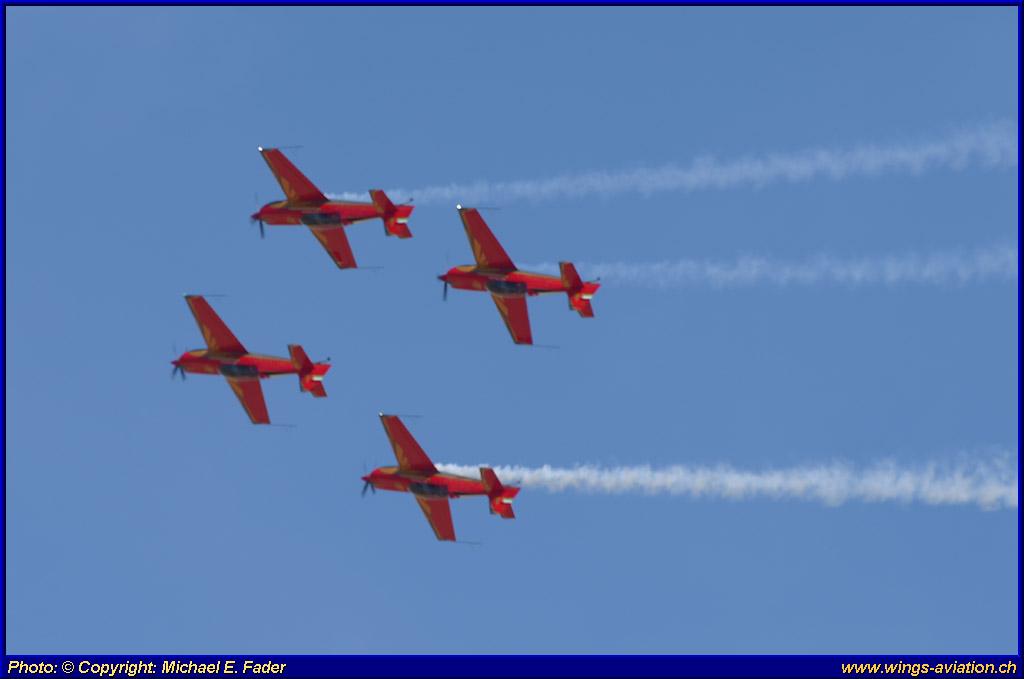
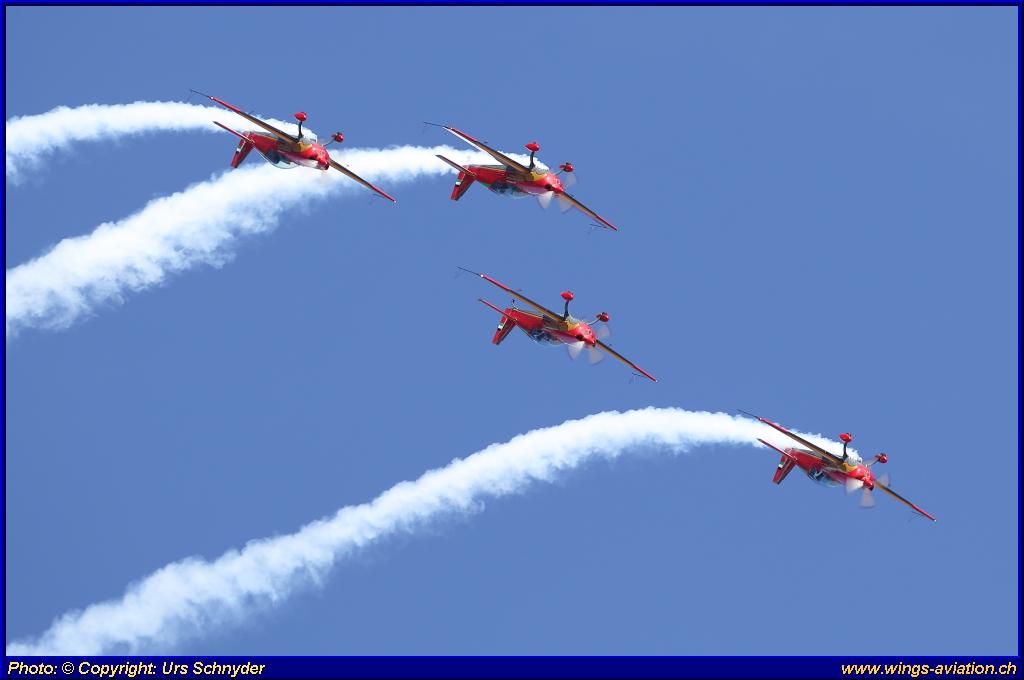
(Picture courtesy Michael E. Fader)
(Picture courtesy Urs Schnyder
(Picture courtesy Urs Schnyder
(Picture courtesy Michael E. Fader)
(Picture courtesy Urs Schnyder
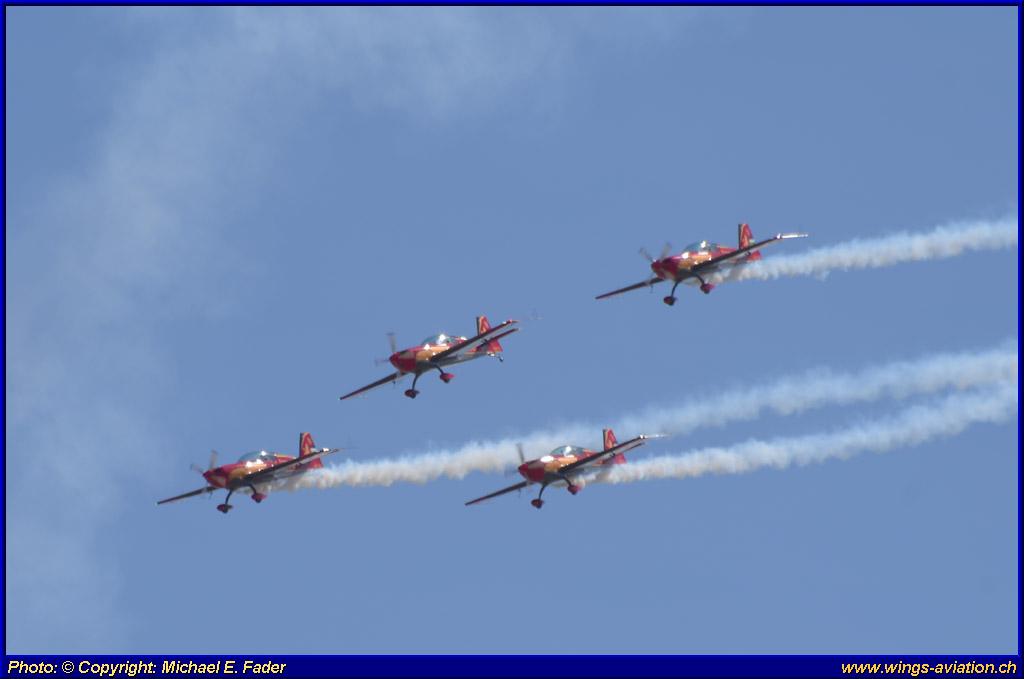
(Picture courtesy Michael E. Fader)
(Picture courtesy Urs Schnyder
(Picture courtesy Michael E. Fader)
(Picture courtesy Urs Schnyder
(Picture courtesy Michael E. Fader)
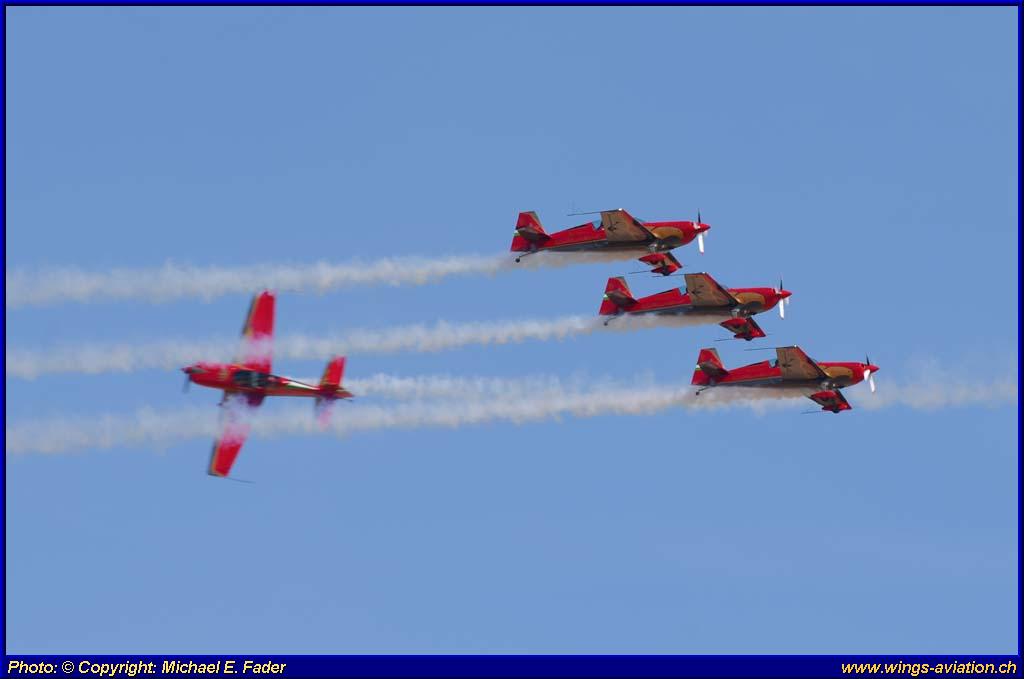
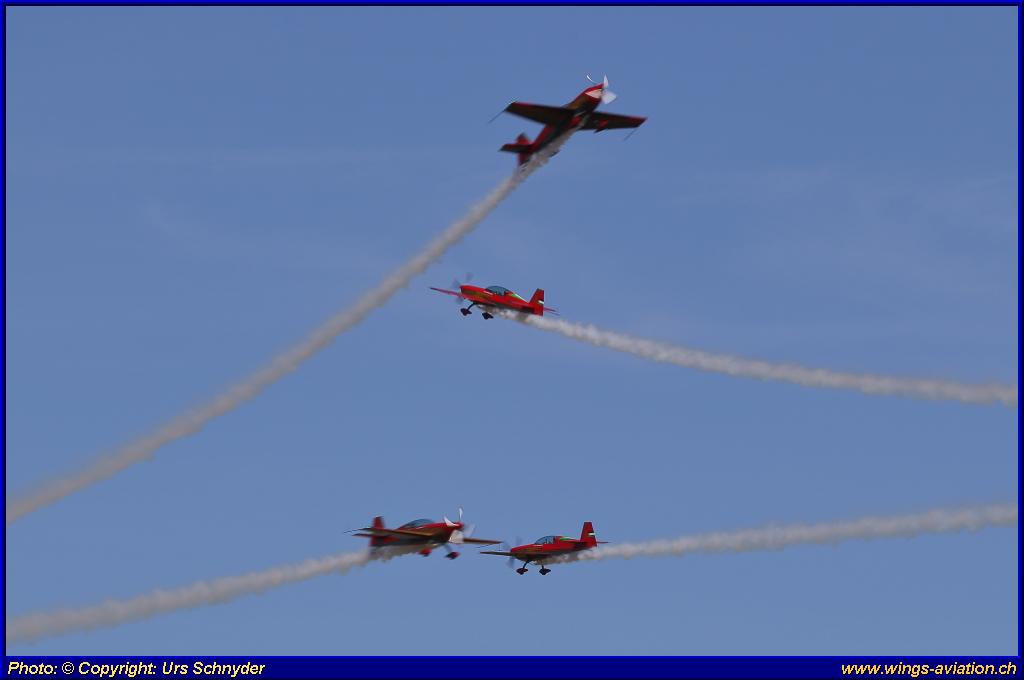
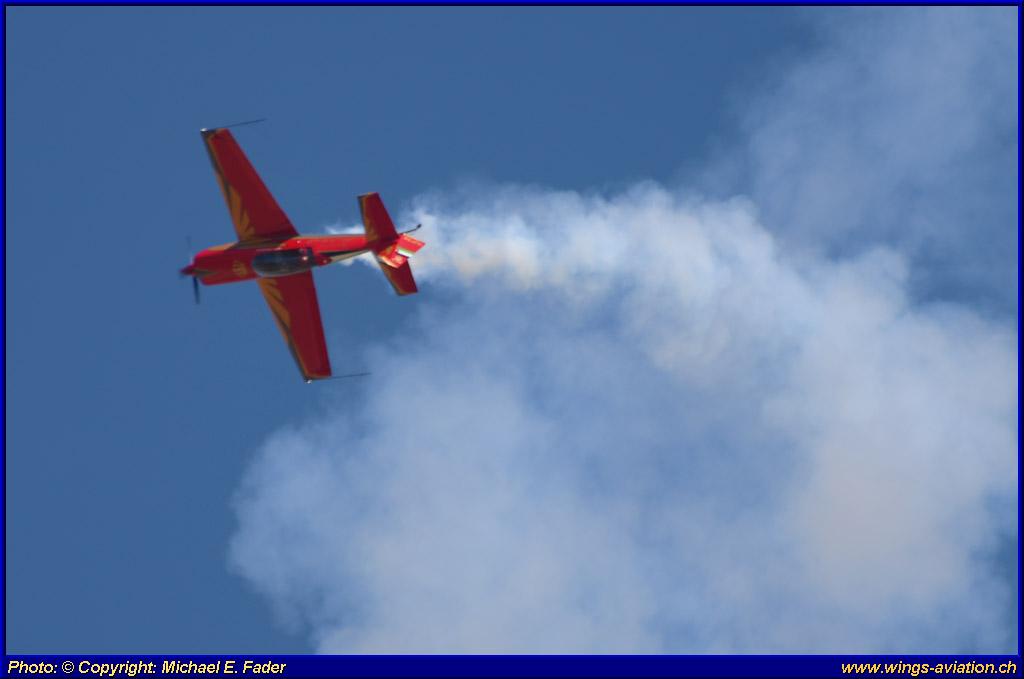
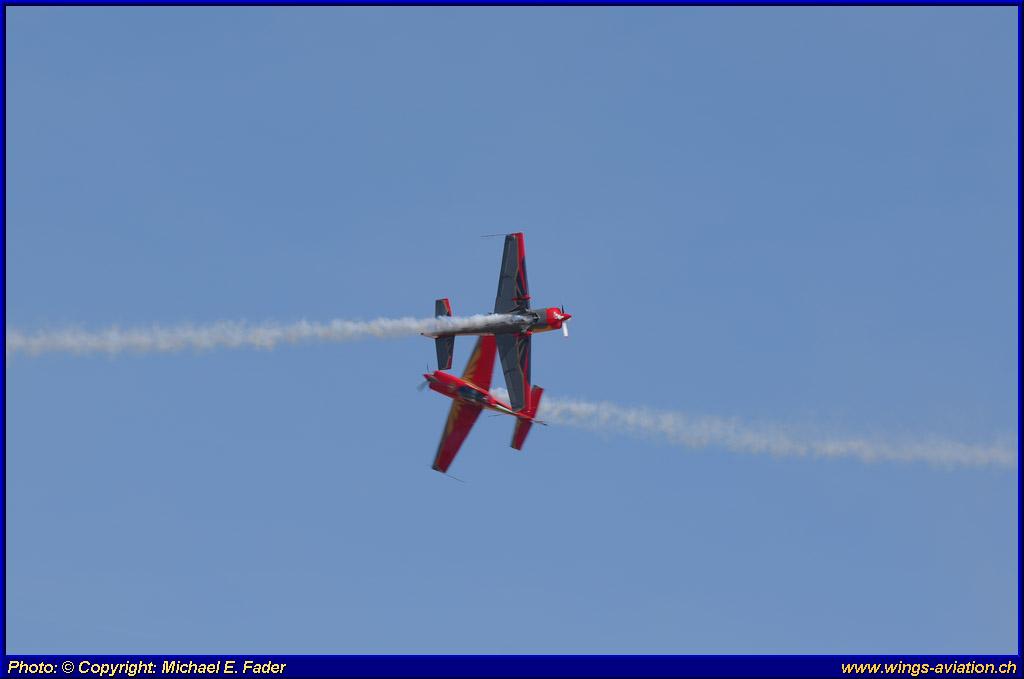
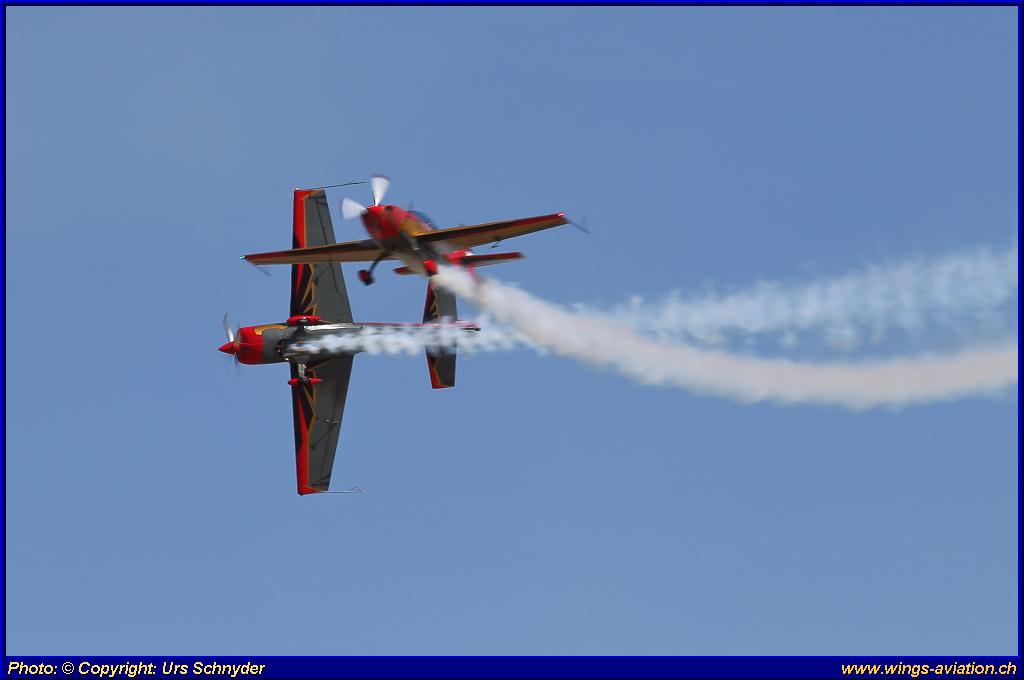
(Picture courtesy Michael E. Fader)
(Picture courtesy Urs Schnyder
(Picture courtesy Michael E. Fader)
(Picture courtesy Michael E. Fader)
(Picture courtesy Urs Schnyder
Douglas DC-3
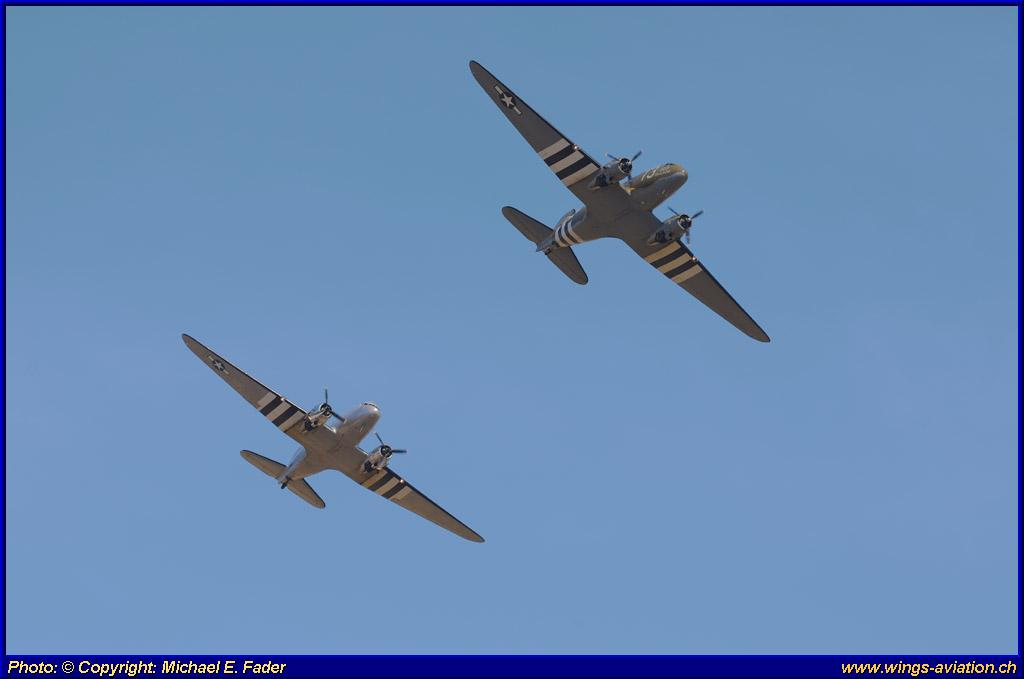
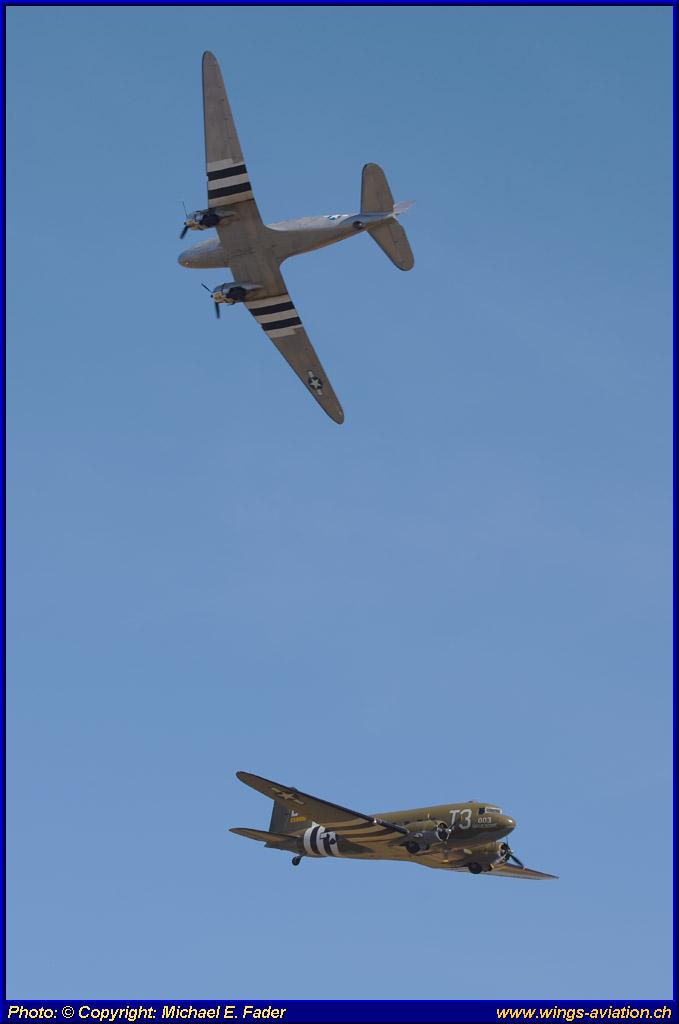
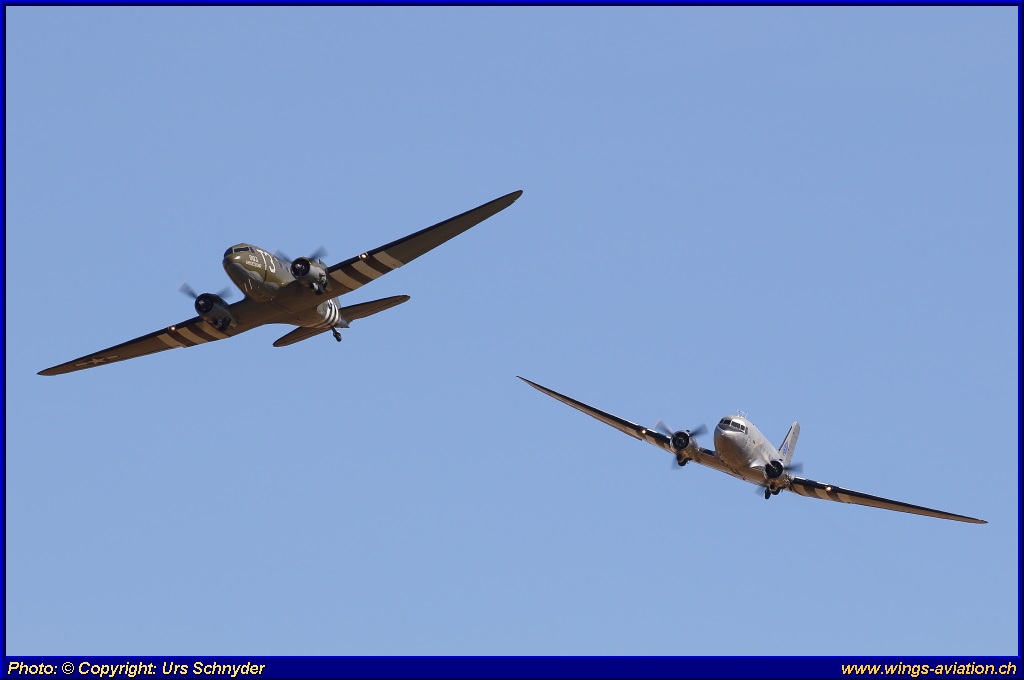
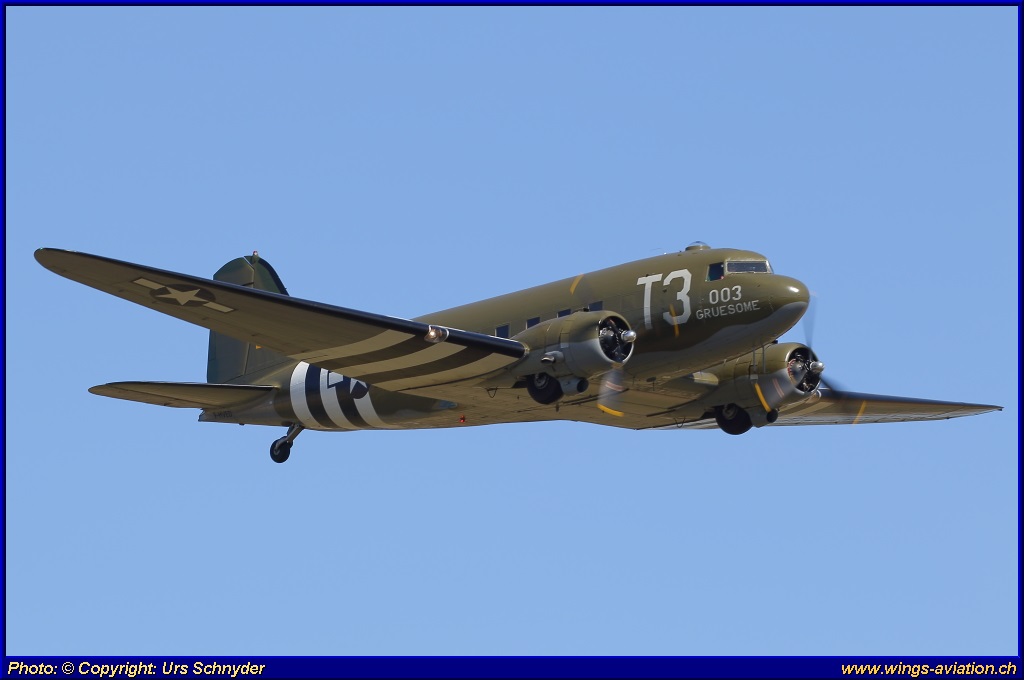
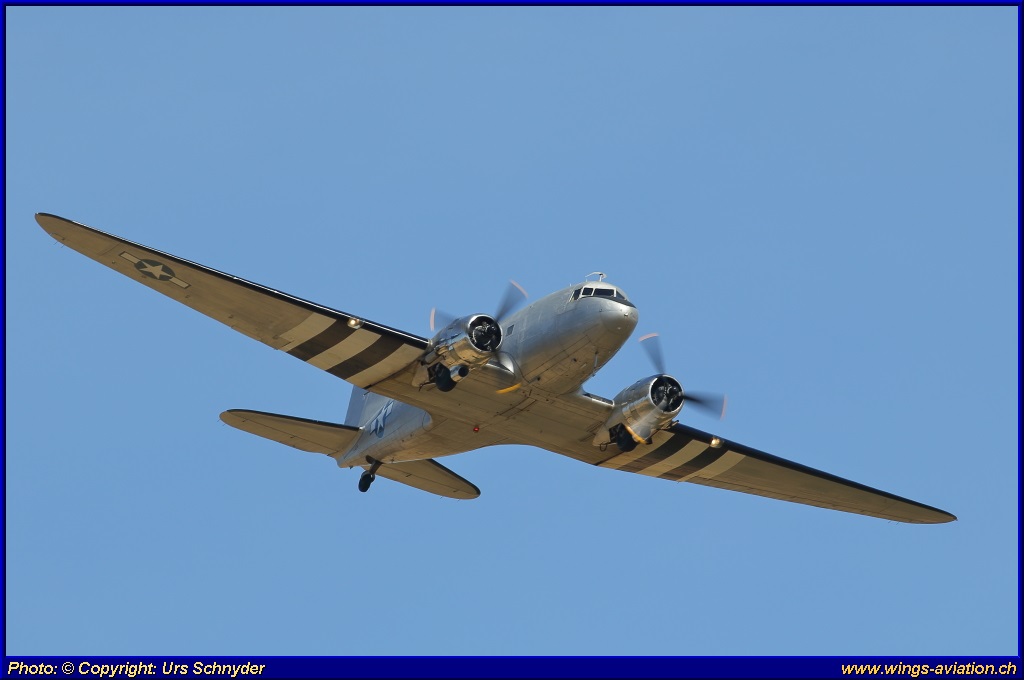
The Douglas C-53 Skytrooper, built in 1943 and the military transport version of the famous DC-3, is a true veteran of the Second World War. Under the name ‘Gruesome’, the aircraft took part in the Allied landing at Salerno in Italy in September 1943. In August 1944, it dropped paratroopers from the 82nd Airborne Division. During the Battle of the Bulge in the winter of 1944–45, the C-53 was also deployed to supply the encircled soldiers of the 101st Airborne Division. The “Gruesome” also survived an encounter with anti-aircraft fire in Belgium: the aircraft was hit by anti-aircraft fire but was able to continue its mission and survived the war. After the war, it was converted into a passenger aircraft, thereby largely losing its original military appearance.
In 2018, the C-53 was acquired by the Musée Aéronautique de Bretagne, which then undertook a comprehensive restoration. After three years of intensive work, the ‘Gruesome’ was once again presented in its original military livery. In the process, it also regained its historic nickname. Similarly, the interior fittings and configuration were restored as closely as possible to their 1940s condition. Today, with its authentic appearance, the "Gruesome" serves as a striking reminder of its eventful operational history and of the important role that transport aircraft such as the C-53 played during the Second World War.
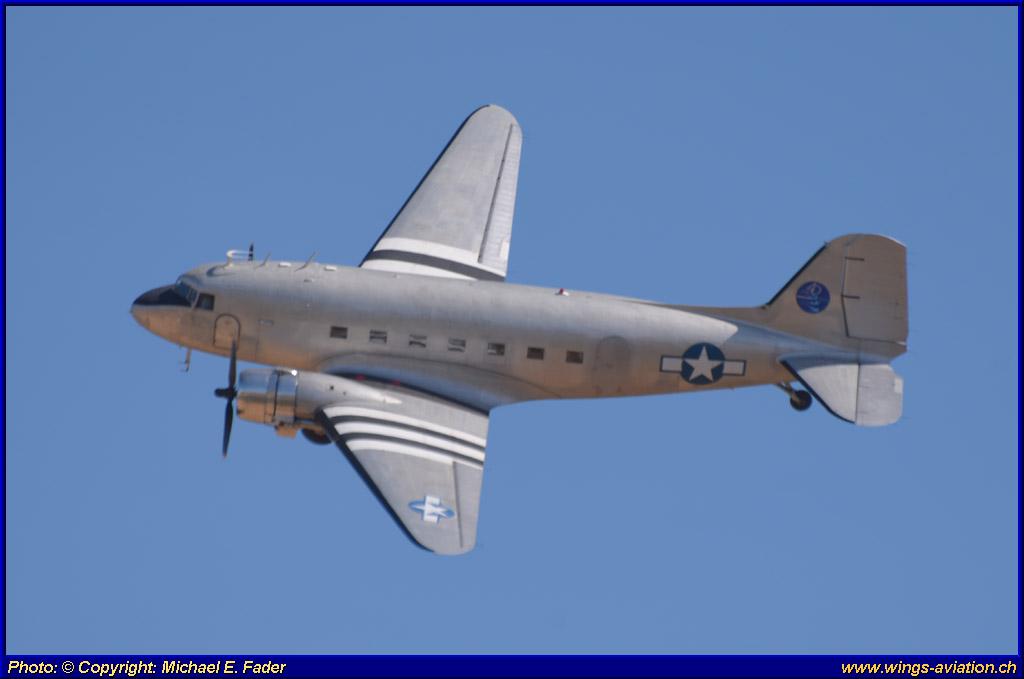
The second Douglas DC-3 (C-47B), registered as F-AZOX, was built in May 1945 and therefore did not see action in the Second World War. In June 1945, the aircraft was delivered to the US Air Force. It subsequently served with the British Royal Air Force and the Royal Canadian Air Force. The aircraft is fitted with more powerful twin-supercharged engines, which enable it to operate at higher altitudes. During its time in Canada, it was used, amongst other things, as a VIP transport aircraft. According to reports, its passengers included members of the British Royal Family, including Queen Elizabeth II, as well as high-ranking military figures such as Field Marshal Bernard Montgomery. Today, the aircraft is owned by the association ‘Un Dakota sur la Normandie’ and is operated by Chalair Aviation.
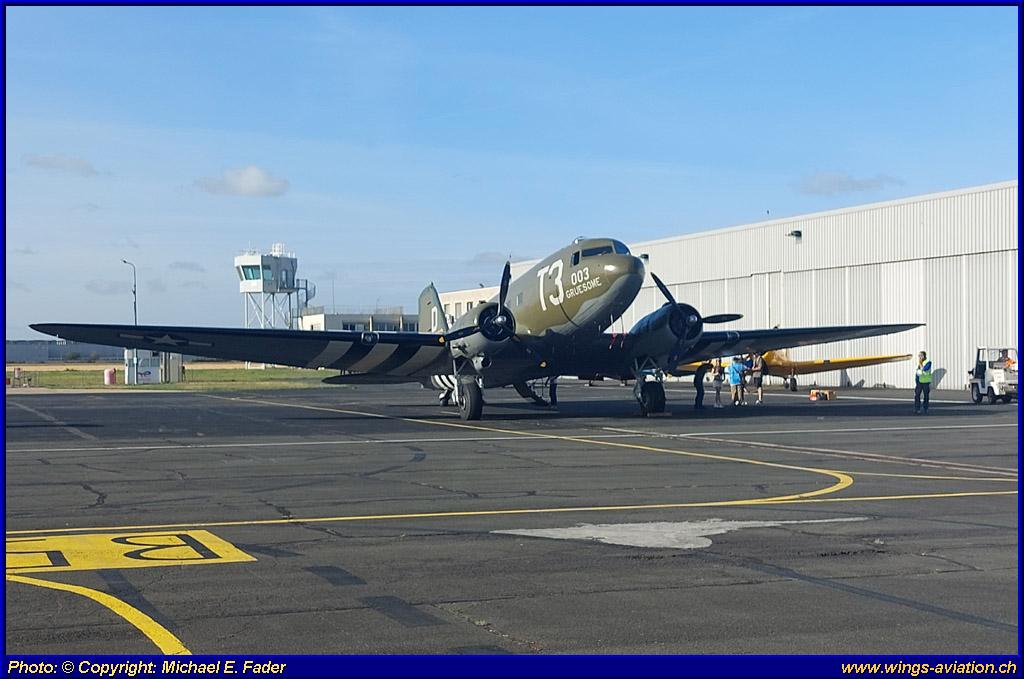
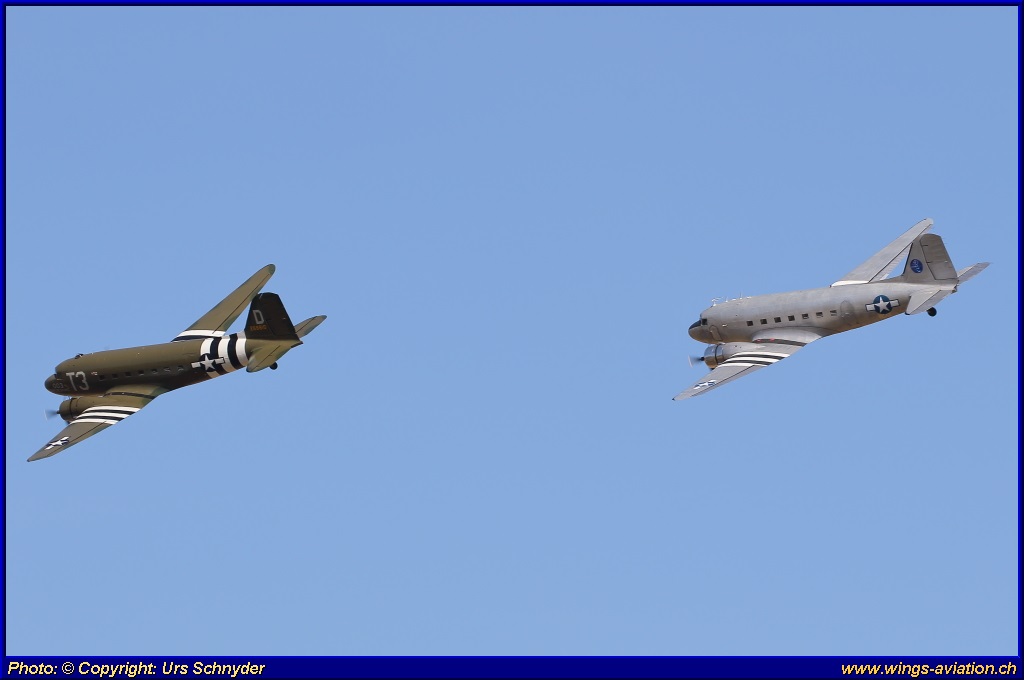
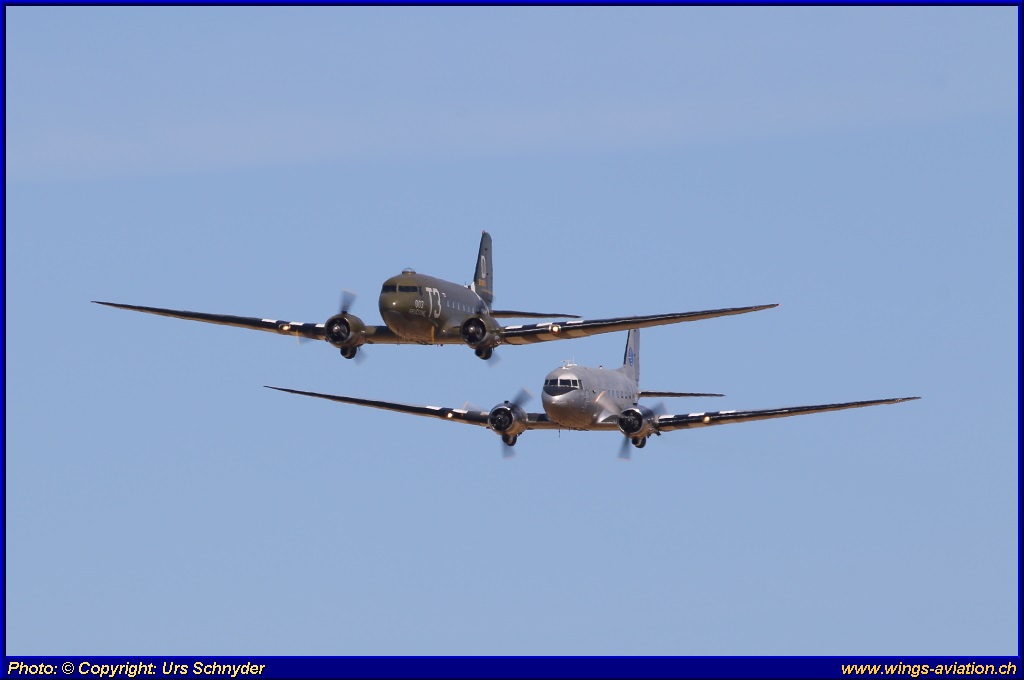
(Picture courtesy Michael E. Fader)
(Picture courtesy Urs Schnyder)
(Picture courtesy Urs Schnyder)
(Picture courtesy Michael E. Fader)
(Picture courtesy Urs Schnyder)
(Picture courtesy Michael E. Fader)
(Picture courtesy Urs Schnyder)
(Picture courtesy Urs Schnyder)
(Picture courtesy Michael E. Fader)
400 Years Marine Nationale
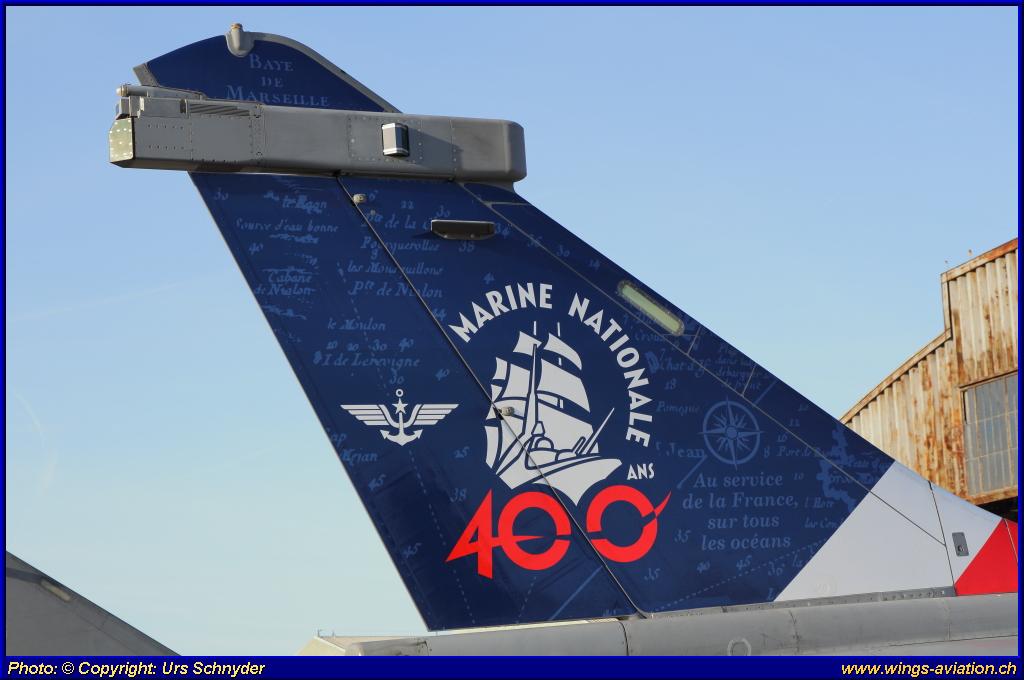
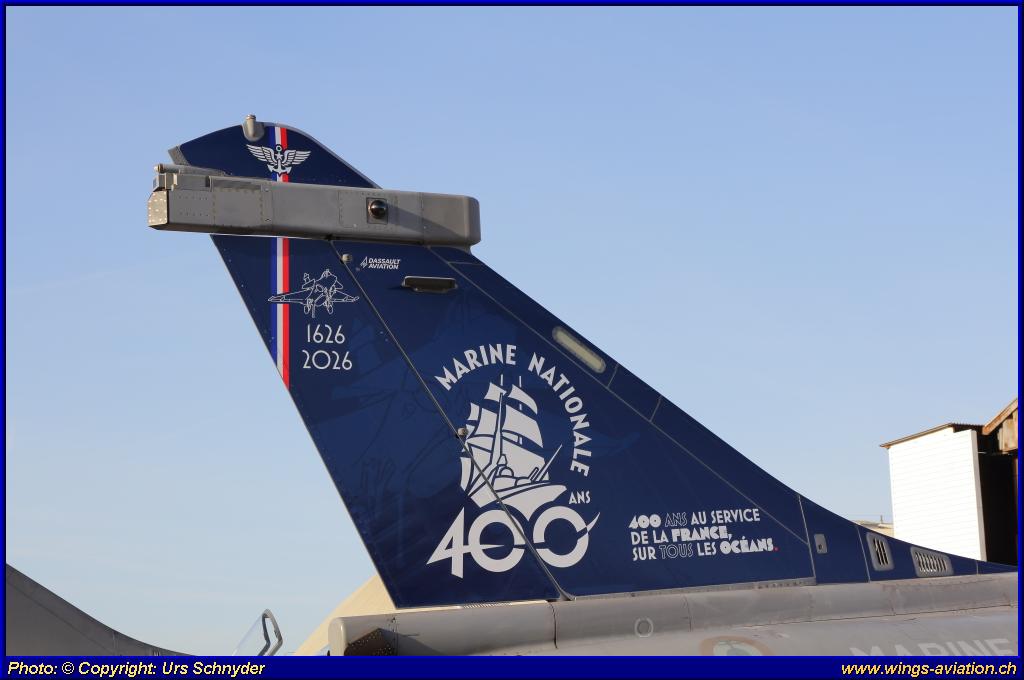
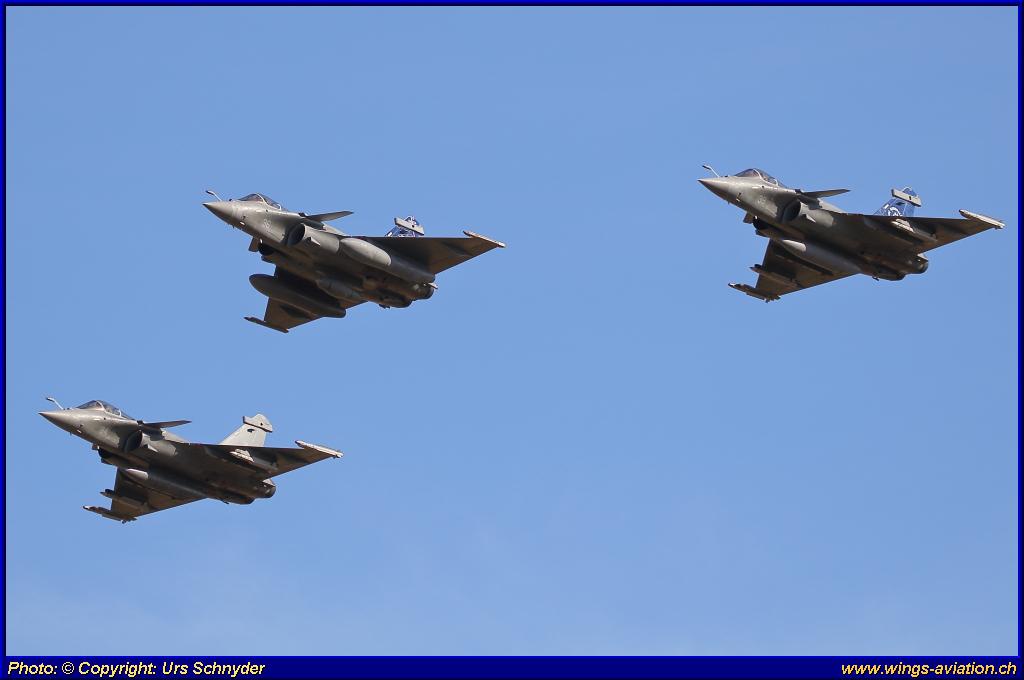
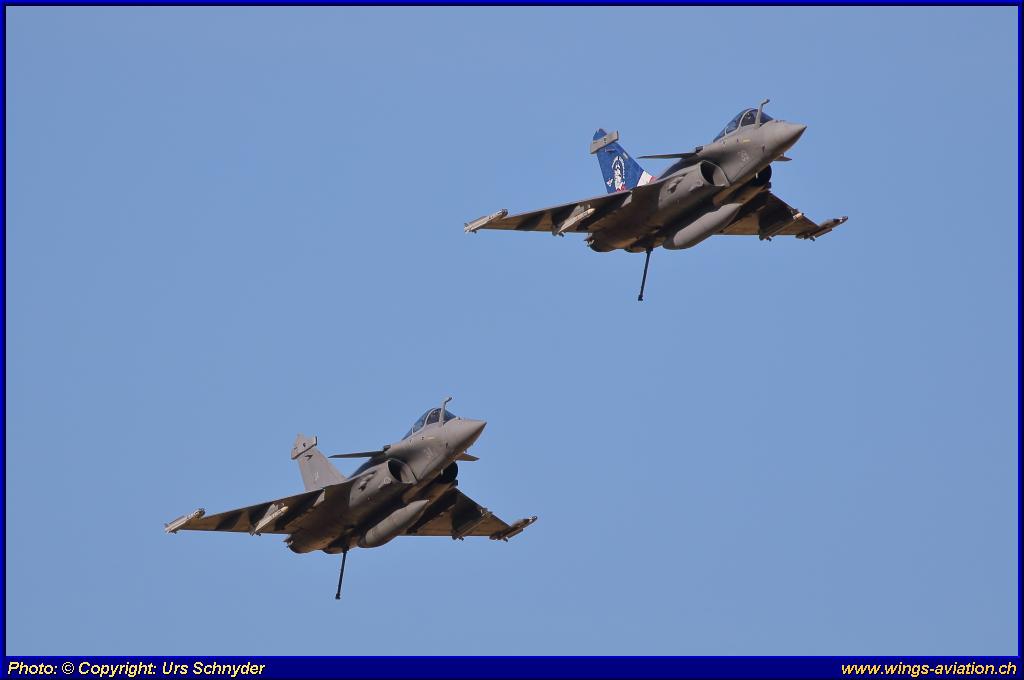
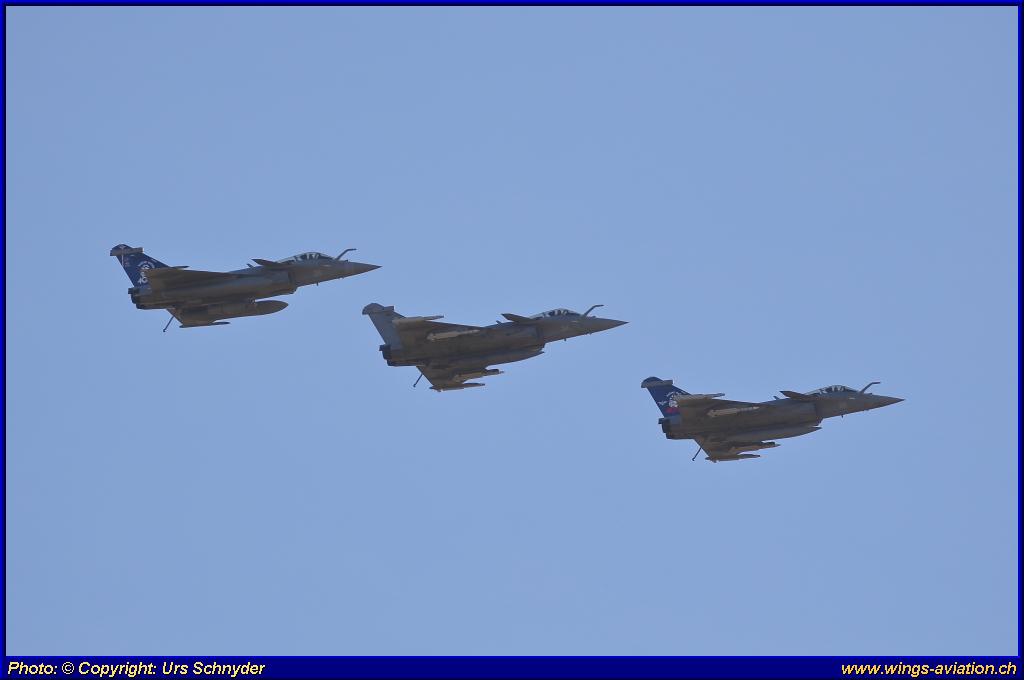
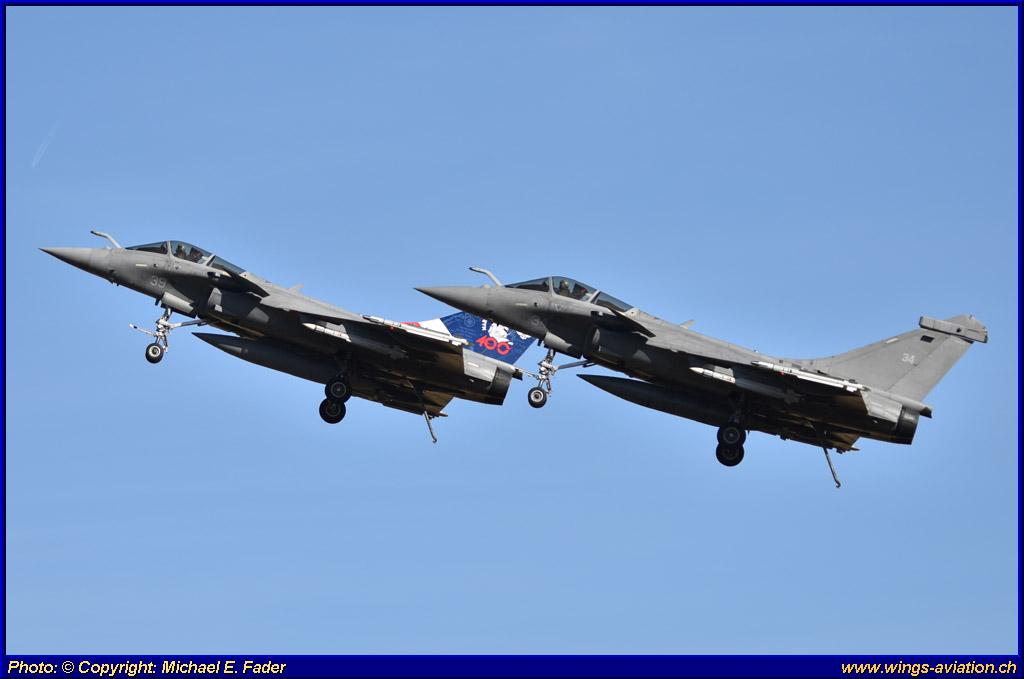
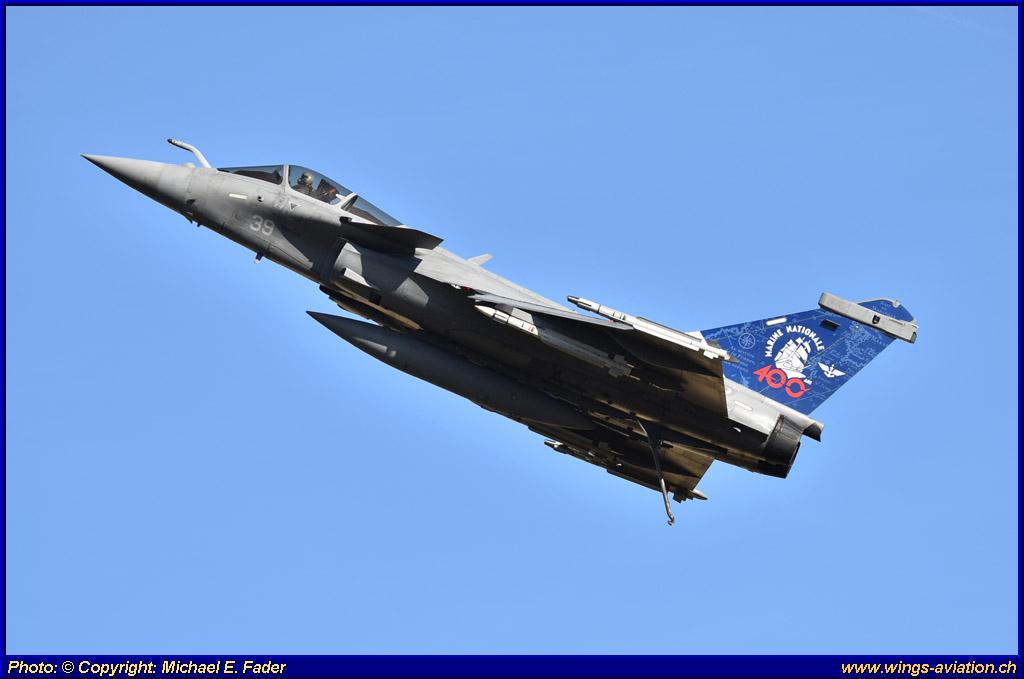
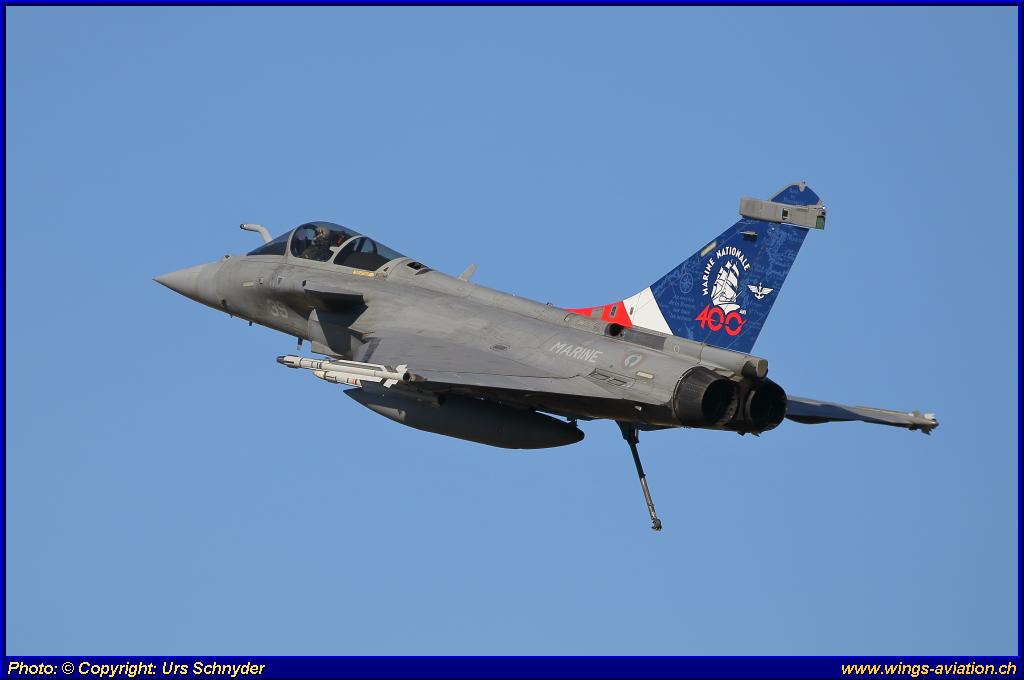
In 1626, Cardinal Richelieu laid the foundations for an organised and permanent French navy with the Edict of Saint-Germain-en-Laye. 400 years later, this anniversary will be celebrated throughout France in 2026. Exhibitions, open days and regional events will take place, particularly in traditional naval towns such as Toulon and Brest.
The Musée national de la Marine in Paris is also taking part in the celebrations. Among other things, it is dedicating the special exhibition ‘La Marine et les peintres’ to the anniversary. The Monnaie de Paris is also marking the 400th anniversary with the issue of a special 2-euro commemorative coin.
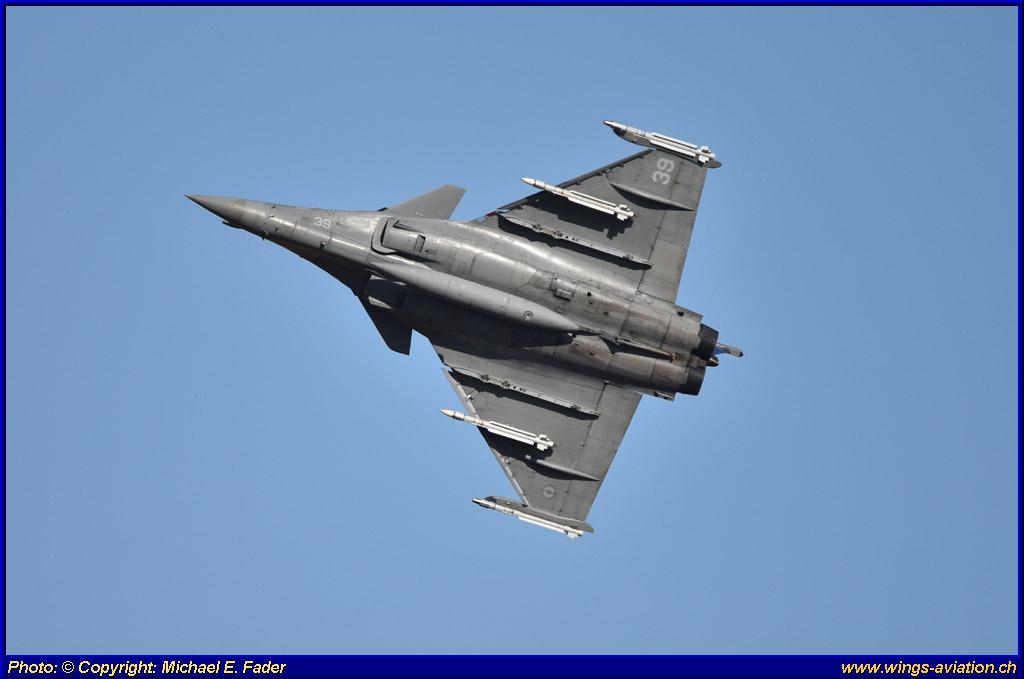
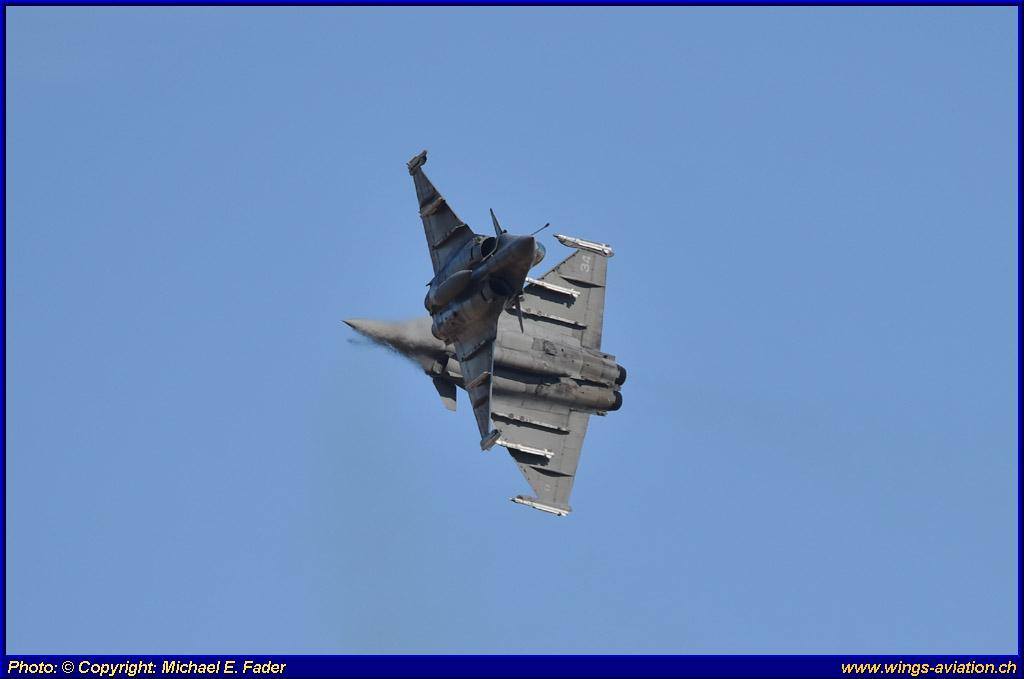
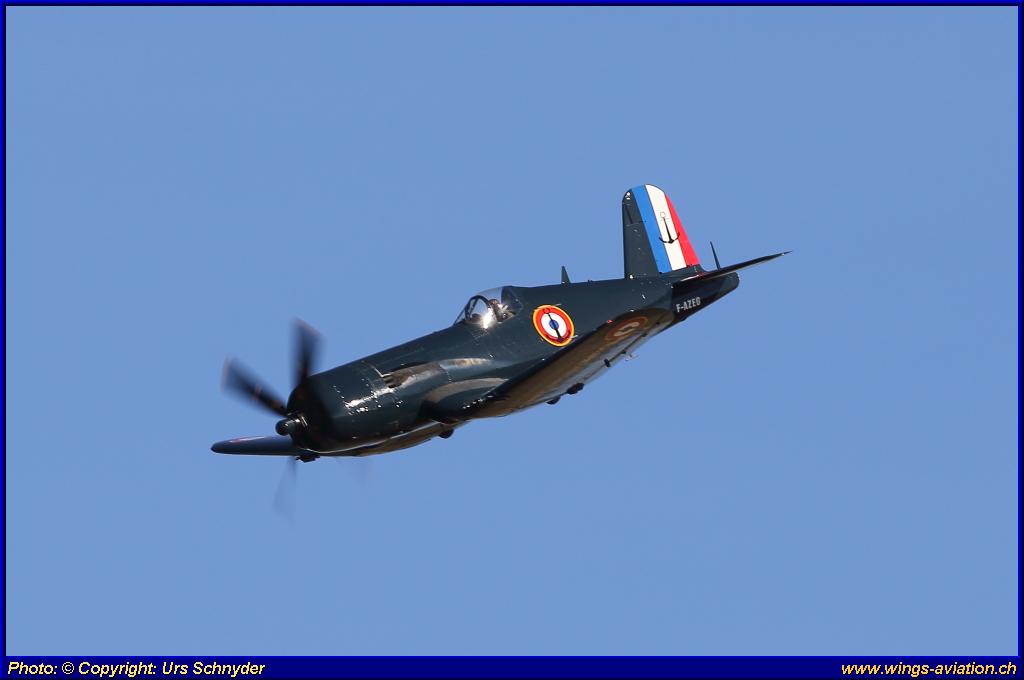
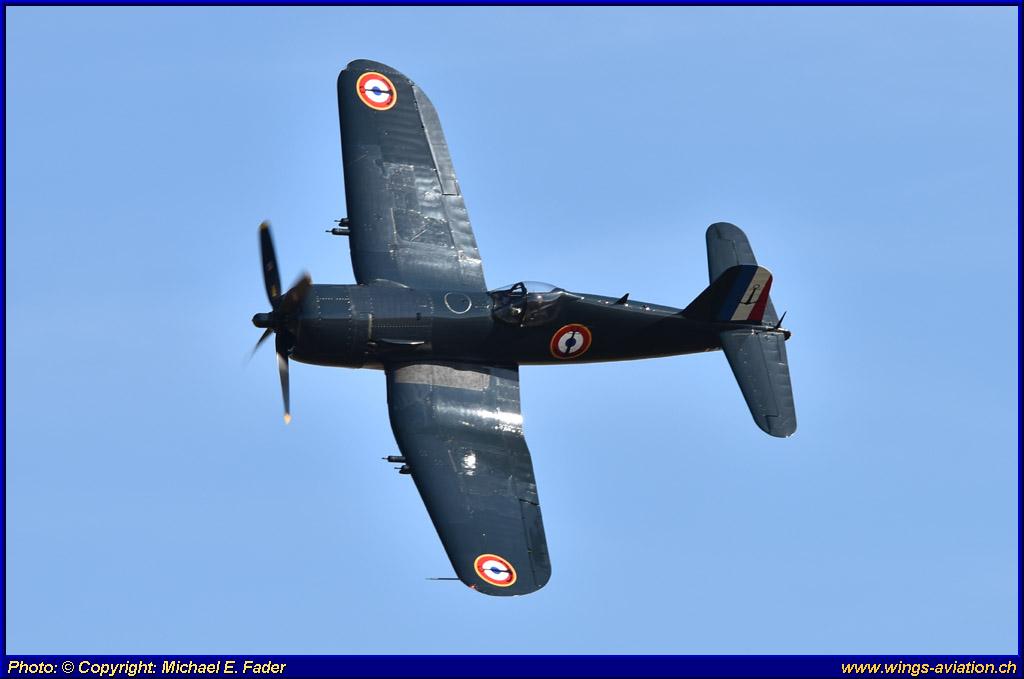
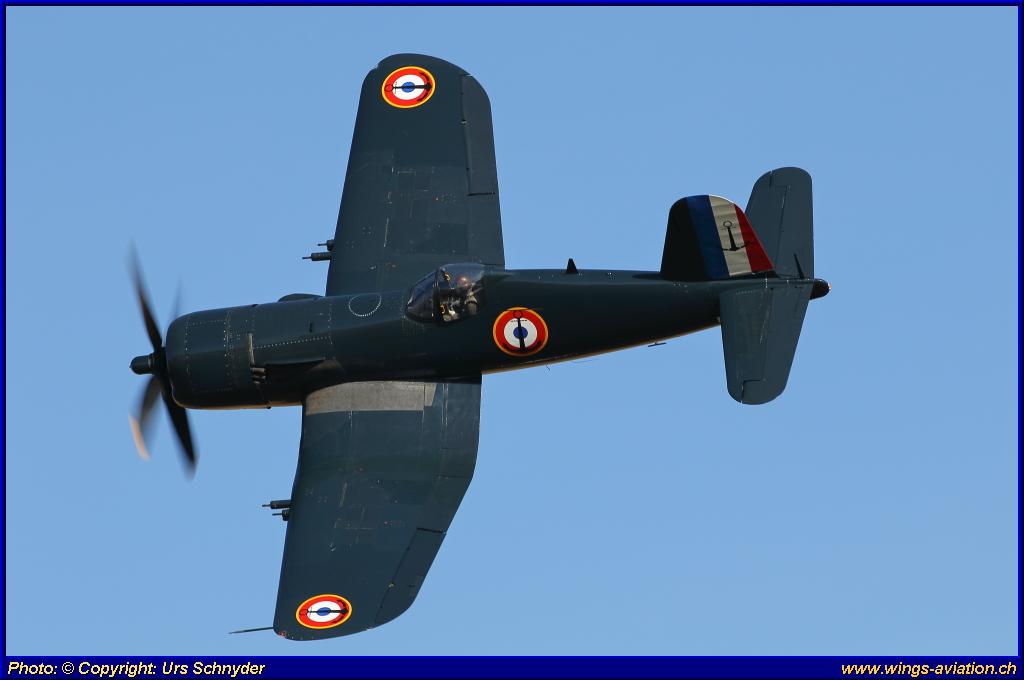
Two of the French Navy’s Dassault Rafale M aircraft on display at Villaroche featured a special livery commemorating the 400th anniversary of the French Navy. Three Dassault Rafale M aircraft put on an impressive display featuring high- and low-speed fly-pasts as well as a simulated in-flight refuelling manoeuvre. Particularly spectacular was the joint formation flight with the Vought F4U-5NL Corsair (F-AZEG) in the colours of the French Navy.
However, the new livery of the F-AZEG had not yet been fully completed at that point – the identification markings were still entirely missing. The repainting was commissioned by the aircraft’s new owner, Mathieu Zandotti, who had acquired the Corsair from l’Amicale Jean-Baptiste Salis in July 2026. It is to be hoped that, in future, the aircraft will feature not only the relevant identification markings but also the attractive yellow and black stripes of the Suez campaign.
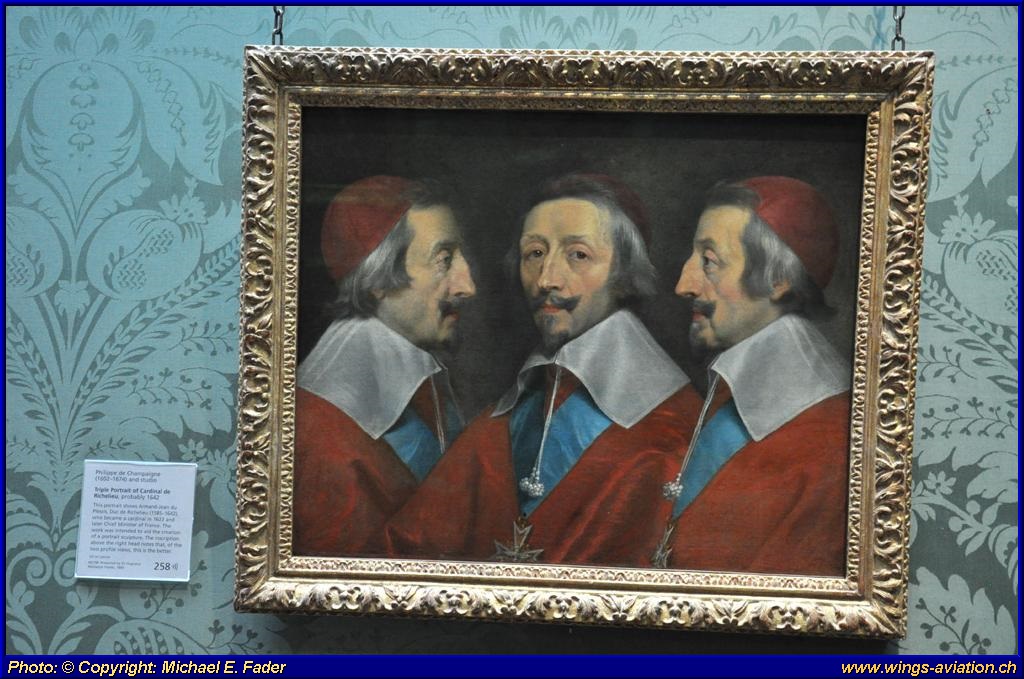
Portrait of Cardinal Richelieu (Armand-Jean du Plessis, Duke of Richelieu) painted by Philippe de Champaigne, c. 1633, National Gallery, London (Picture courtesy Michael E. Fader)
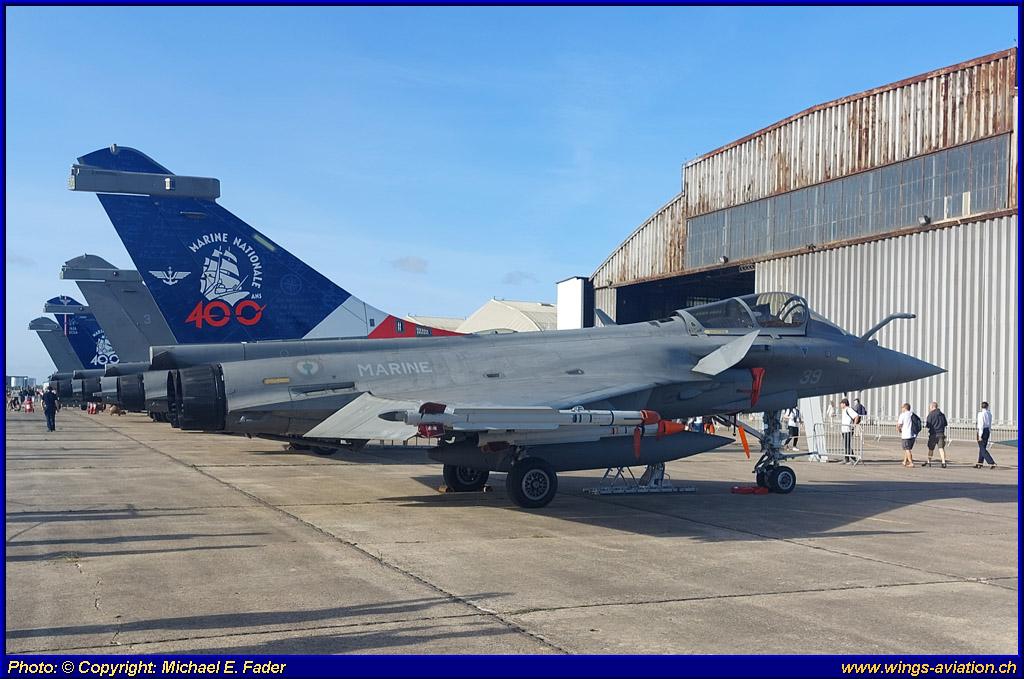
(Picture courtesy Michael E. Fader)
(Picture courtesy Urs Schnyder)
(Picture courtesy Urs Schnyder)
(Picture courtesy Urs Schnyder)
(Picture courtesy Michael E. Fader)
(Picture courtesy Michael E. Fader)
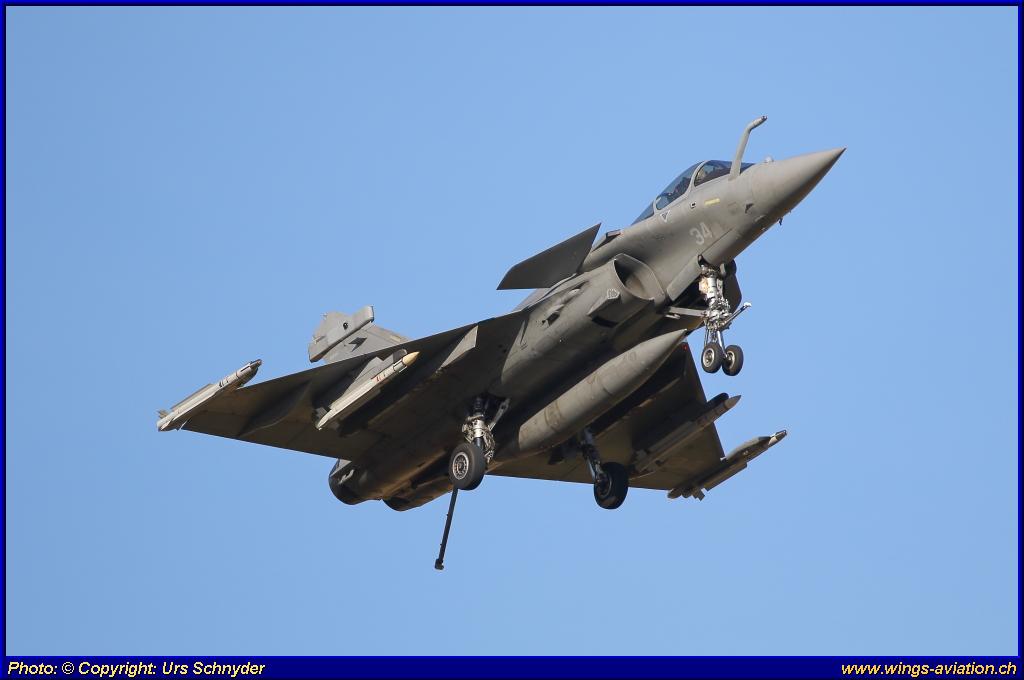
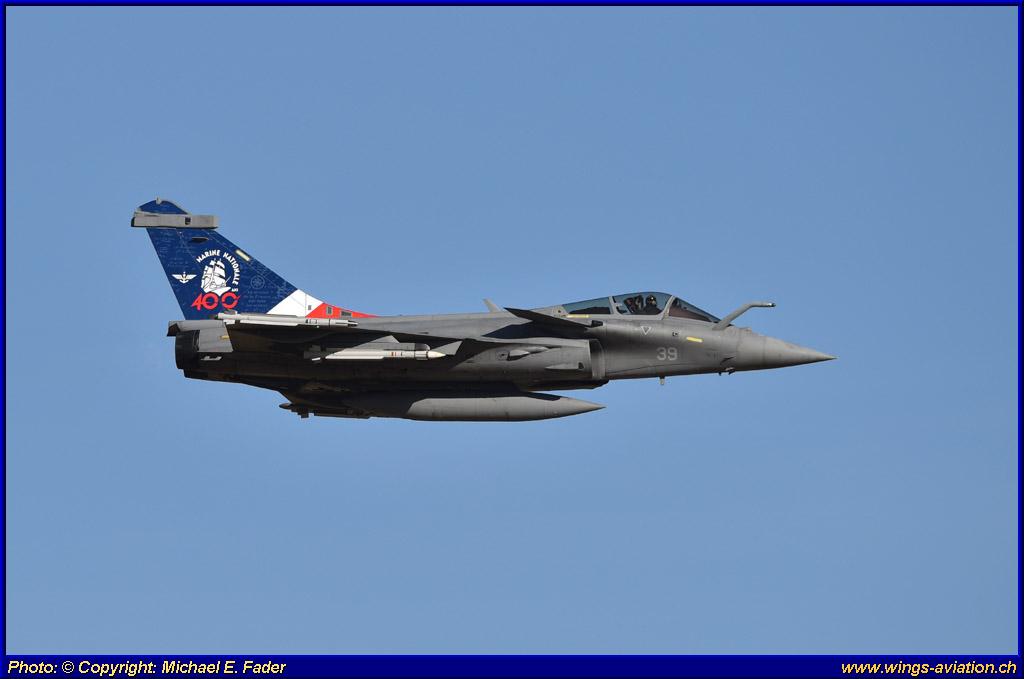
(Picture courtesy Michael E. Fader)
(Picture courtesy Urs Schnyder)
(Picture courtesy Michael E. Fader)
(Picture courtesy Urs Schnyder)
(Picture courtesy Michael E. Fader)
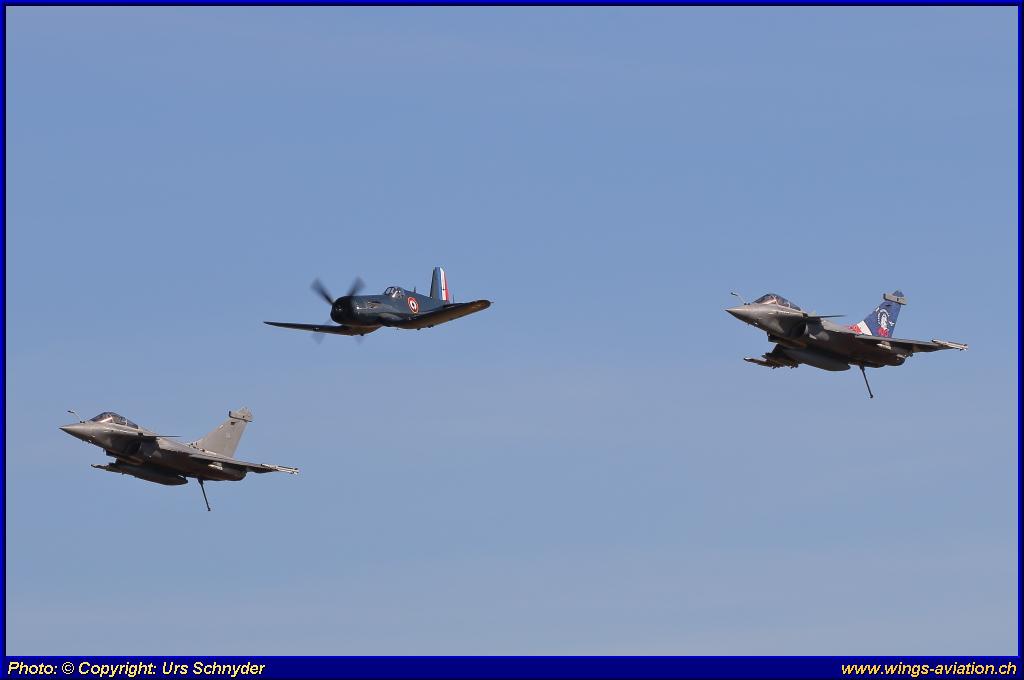
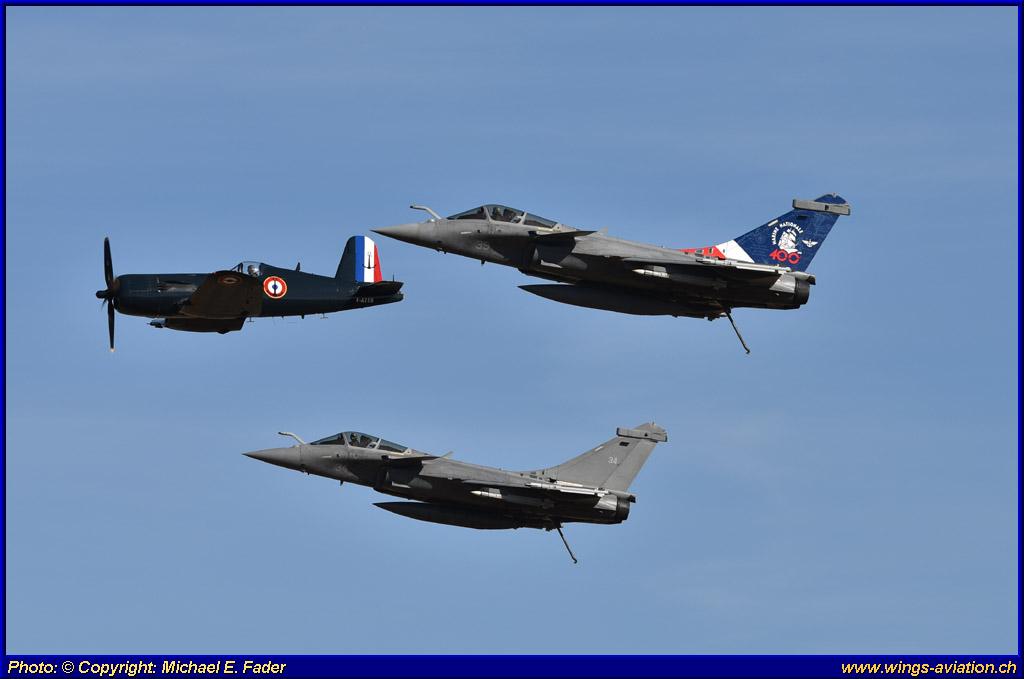
(Picture courtesy Urs Schnyder)
(Picture courtesy Michael E. Fader)
(Picture courtesy Urs Schnyder)
(Picture courtesy Michael E. Fader)
(Picture courtesy Urs Schnyder)
Korean War
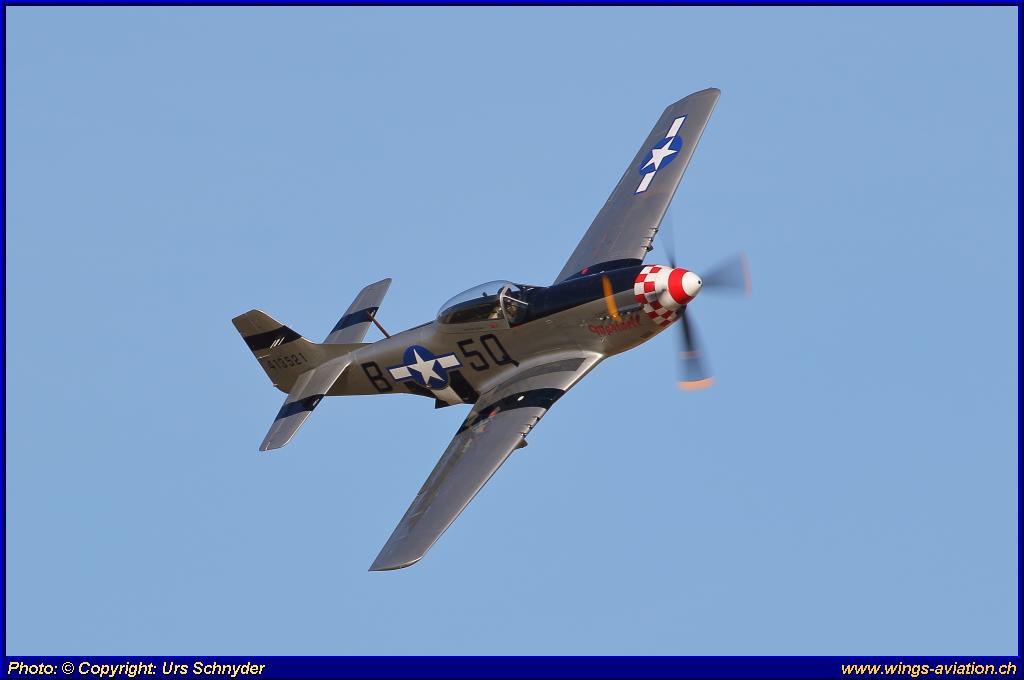
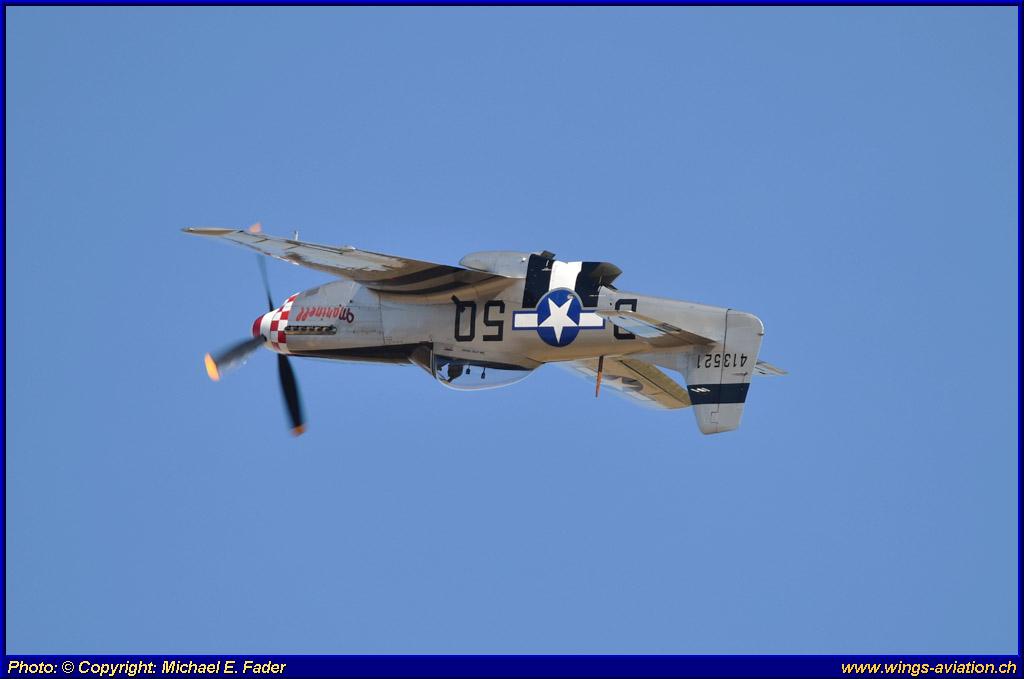
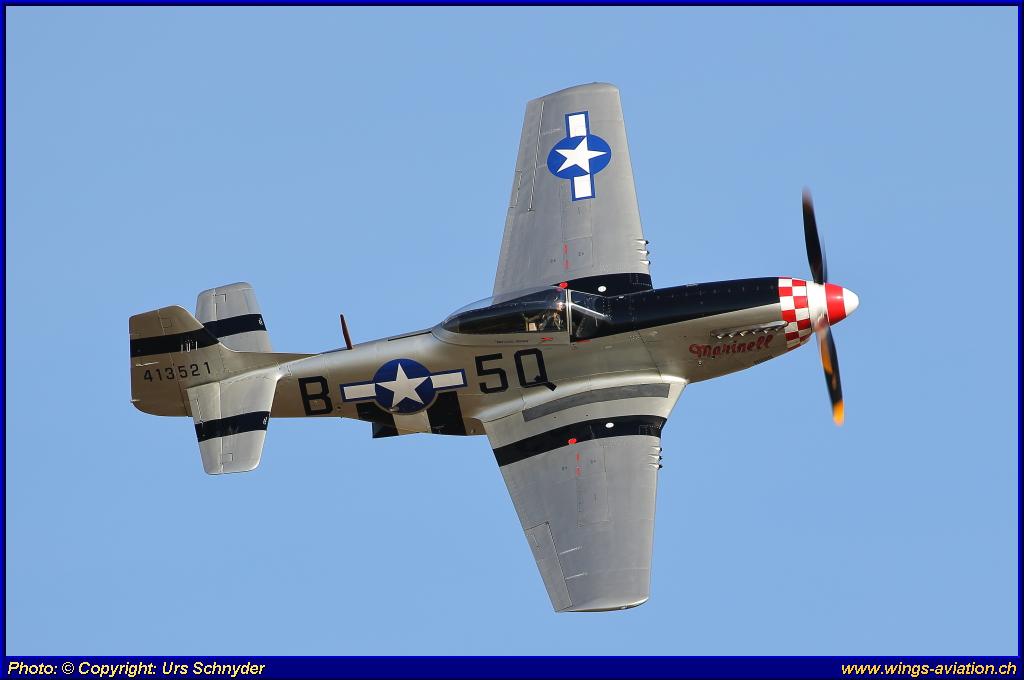
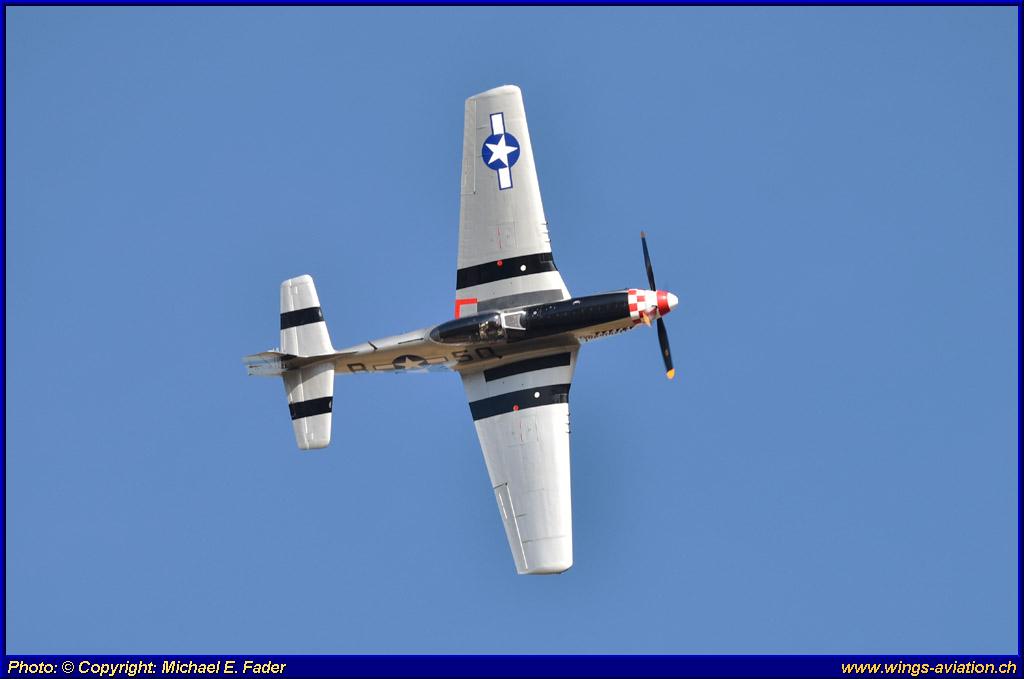
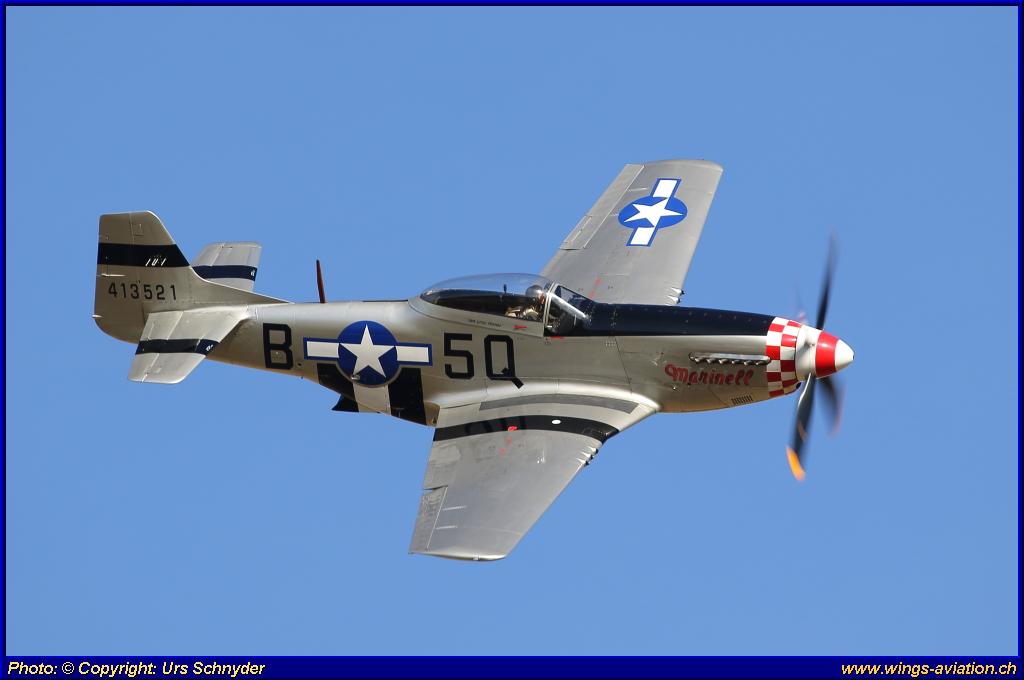
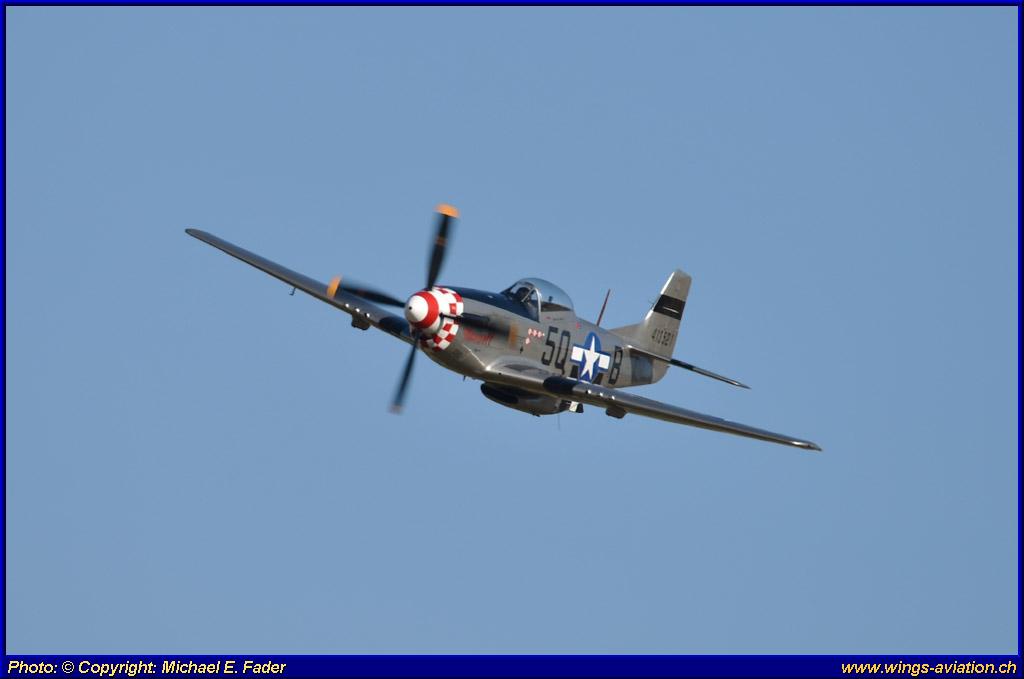
The North American P-51D Mustang ‘Marinell’ (G-MRLL) was flown by its owner, Isabel Rutland. The professional British aerobatic pilot only discovered the sport in her late thirties, but has since made a name for herself in the aerobatics scene. In 2023, she was crowned ‘Standard National Aerobatics Champion’ and, in the same year, won the Tiger Trophy for the best aerobatic performance across all classes. As well as the P-51 Mustang, Rutland flies, amongst others, the T-6 Texan (Harvard), the Cirrus, the Pilatus PC-12 and various versions of the legendary Pitts Special aerobatic biplane.
Rutland attracted particular attention in 2025 at IWM Duxford when she invited Joe Peterburs, a US Air Force veteran who was 100 years old at the time, to take a flight in her Mustang – the very same type of aircraft he himself had flown during the Second World War. Rutland is also committed to inspiring young women to take an interest in aviation. Among other things, she supports events such as "Girls in Aviation Day", which give girls and young women an insight into the wide range of opportunities in aviation.
Her display at Melun-Villaroche was one of the highlights of the warbird flight programme. During numerous fly-pasts, Isabel Rutland impressively showcased the distinctive upper surface of the P-51D Mustang, whilst demonstrating the capabilities of this legendary fighter aircraft. The editorial team congratulates Isabel Rutland on this impressive and extremely successful display.
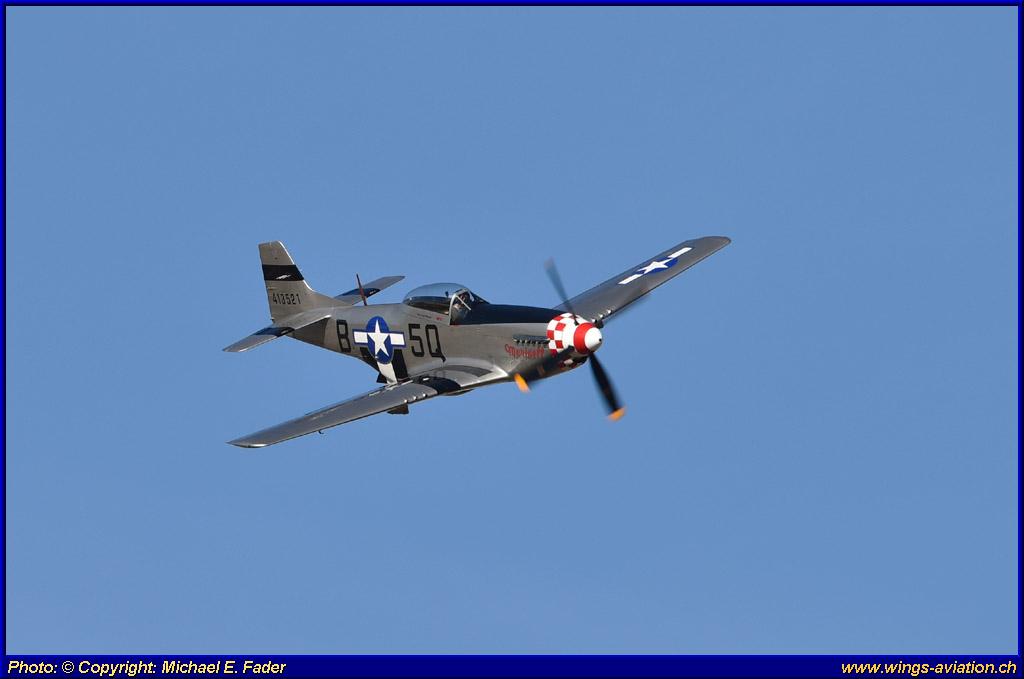
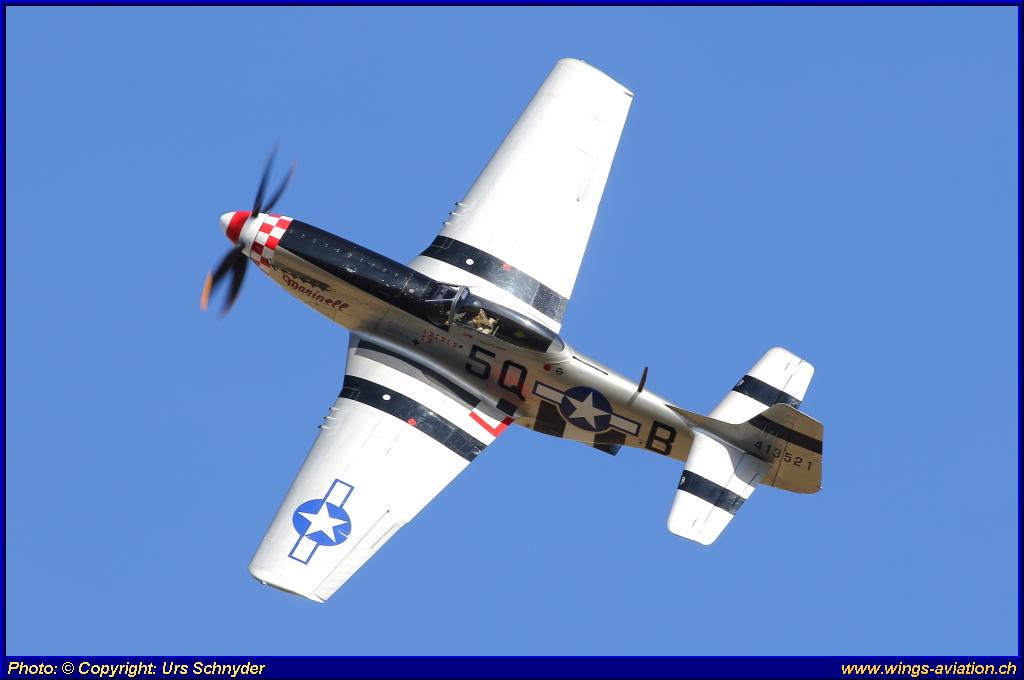
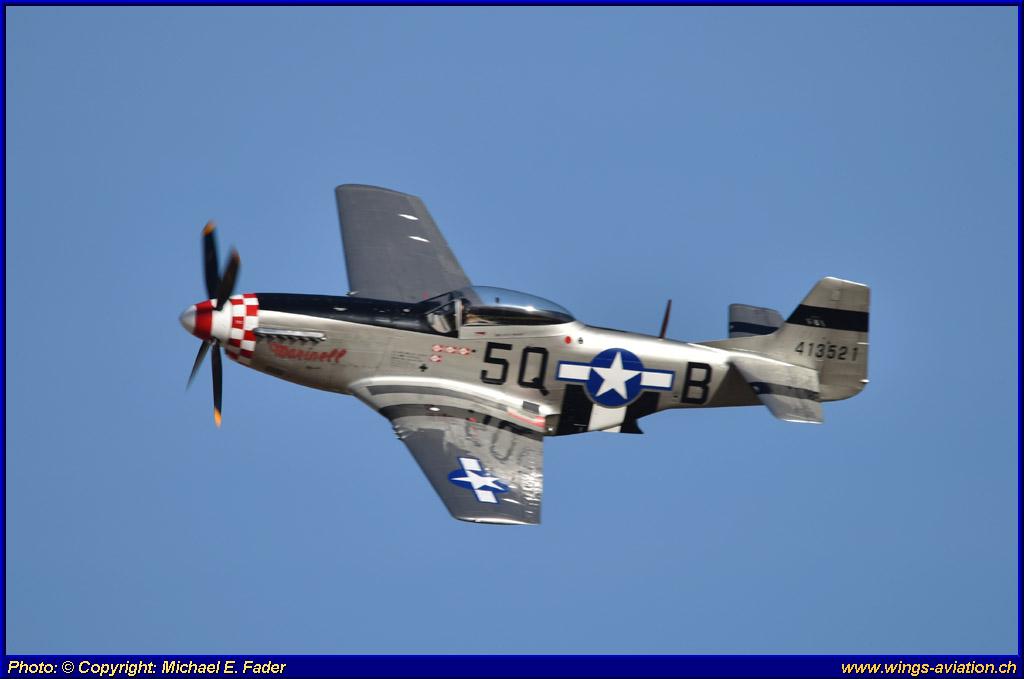
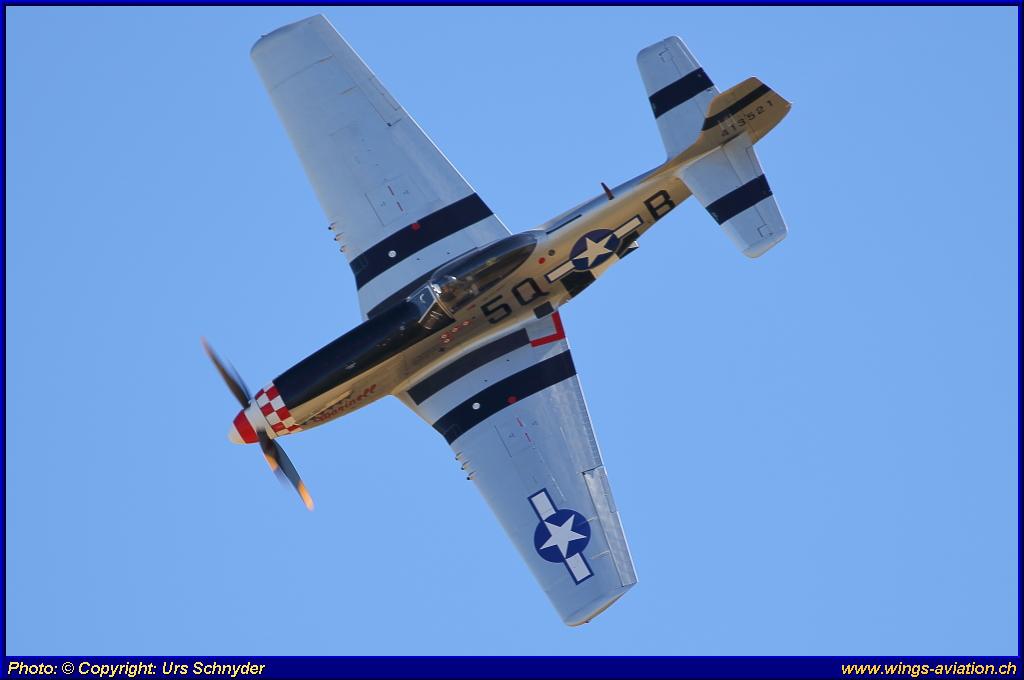
(Picture courtesy Urs Schnyder)
(Picture courtesy Michael E. Fader)
(Picture courtesy Urs Schnyder)
(Picture courtesy Michael E. Fader)
(Picture courtesy Urs Schnyder)
(Picture courtesy Michael E. Fader)
(Picture courtesy Urs Schnyder)
(Picture courtesy Michael E. Fader)
(Picture courtesy Urs Schnyder)
(Picture courtesy Michael E. Fader)
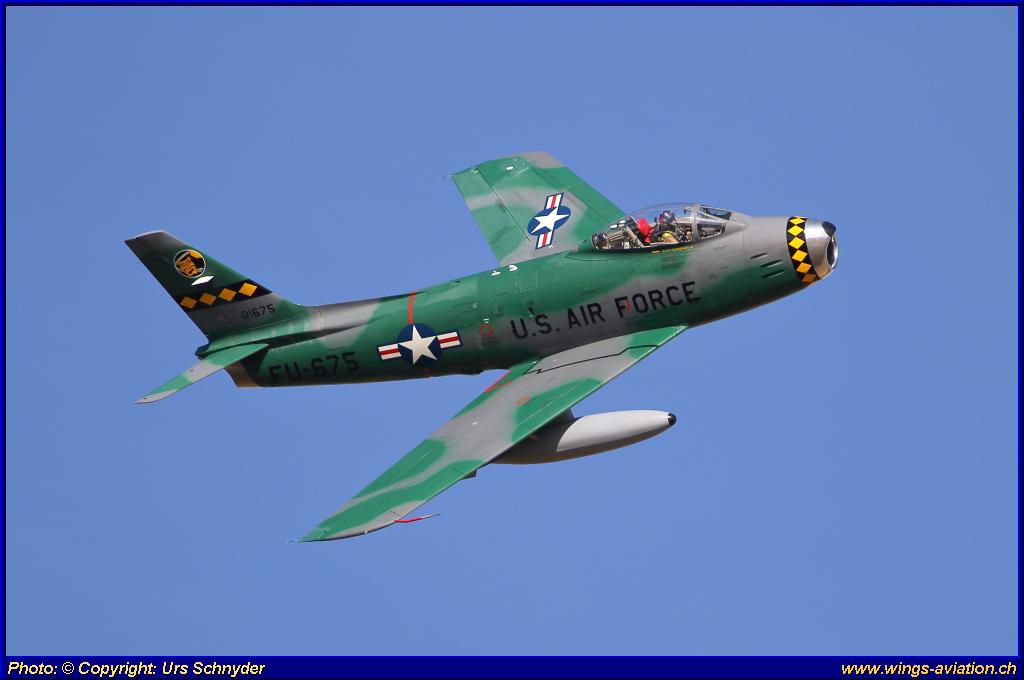
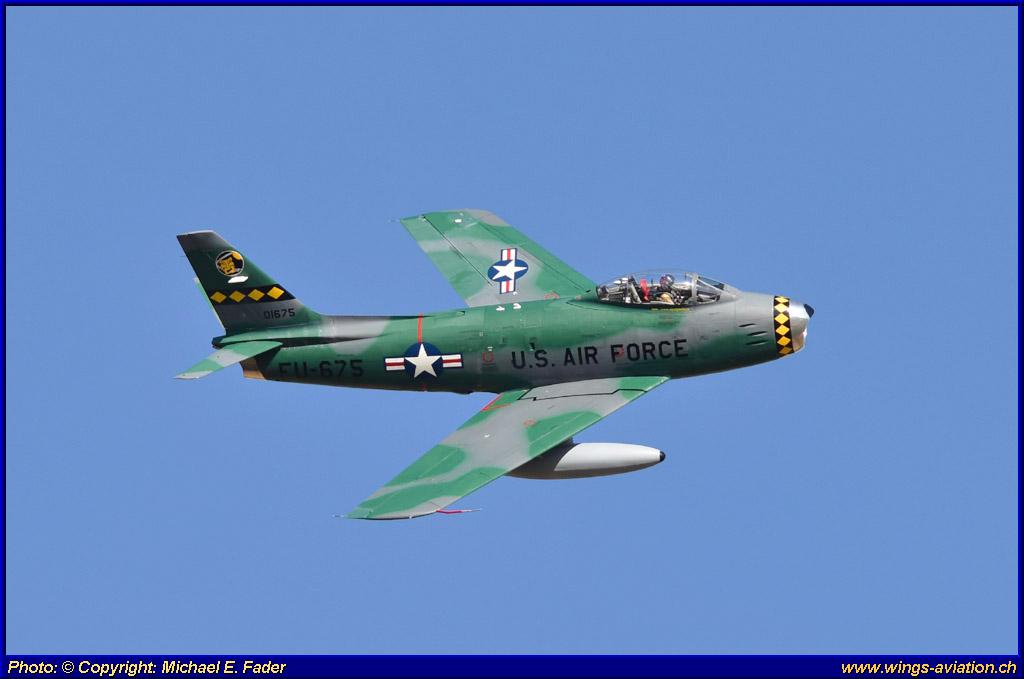
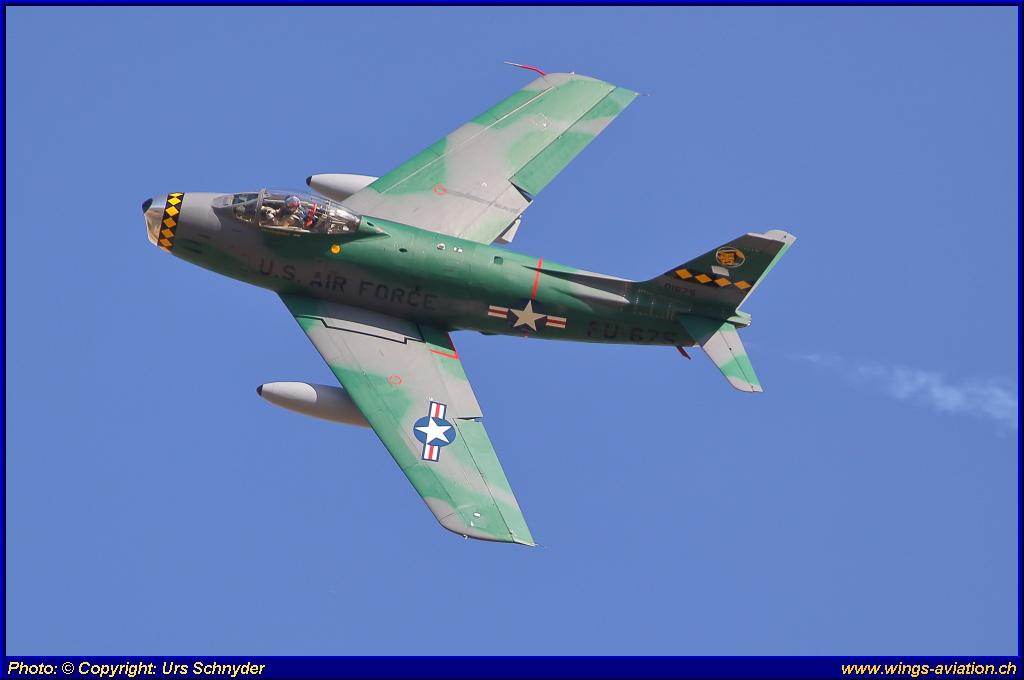
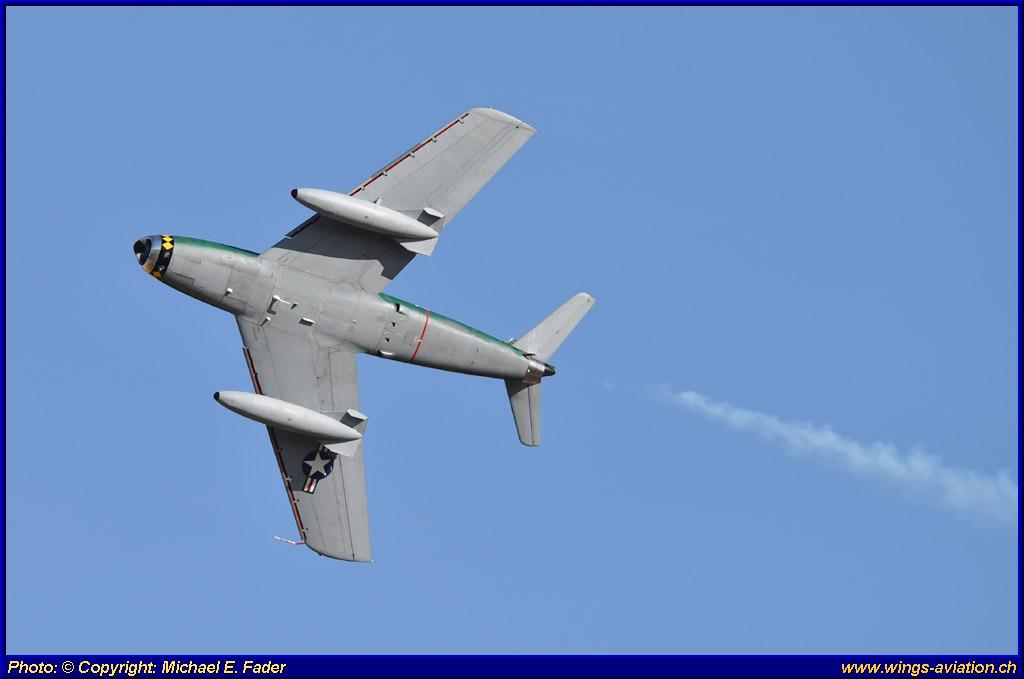
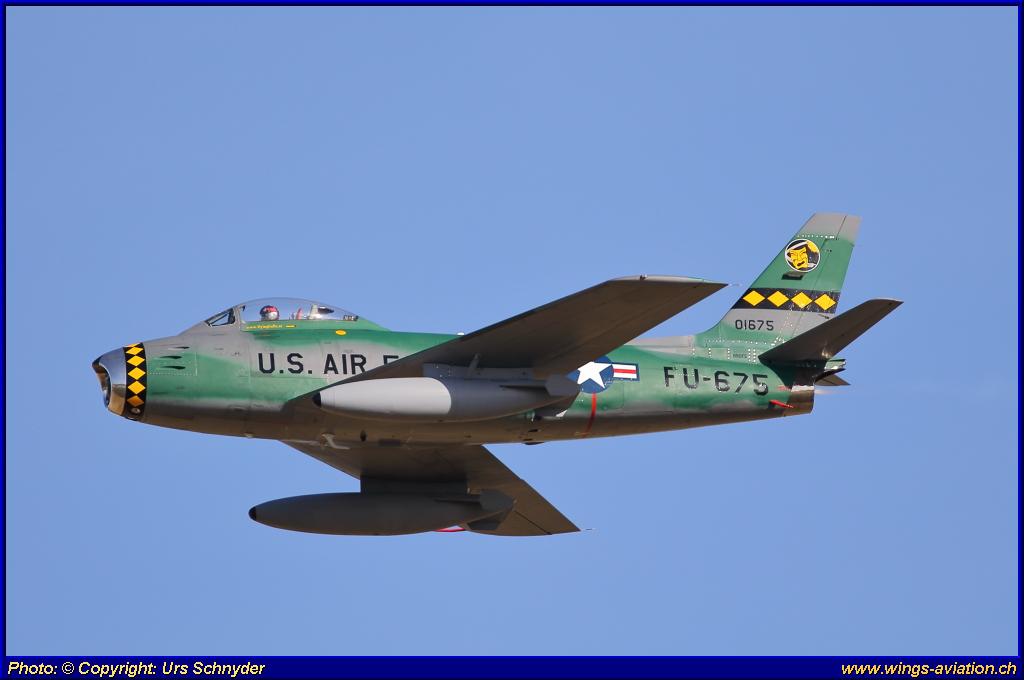
This was not the first time the Canadair Sabre Mk.6 had been on display at ‘Air Legends’ – but in 2026 it was the first time it had been in the possession of the Austrian group The Flying Bulls. The Sabre was one of the last to roll off the Canadair production line in 1958 and was subsequently delivered to the German Air Force. There, it was stationed at Weapons School 10 in Oldenburg, where prospective Sabre pilots were trained.
Arguably the most remarkable chapter of its service with the German Air Force began with its transfer to the test centre in Manching. There, the Sabre was deployed as an escort aircraft for the experimental VJ-101 – an ambitious West German development programme for a supersonic vertical take-off aircraft.
In May 2026, Red Bull acquired the legendary Canadair Sabre Mk.6 for The Flying Bulls’ fleet. Previously, the aircraft had been operated by Mistral Warbirds and flown by pilot Frédéric Akary. Even after the move to the Austrian fleet, Akary remained loyal to the Sabre: he continues to serve as the permanent display pilot for the historic jet.
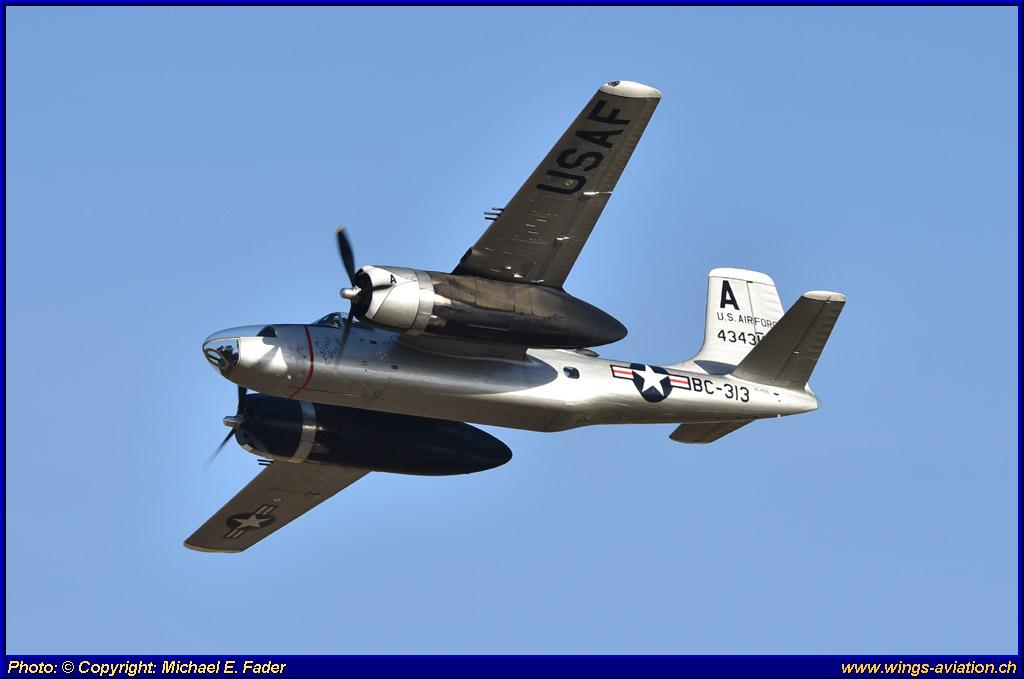
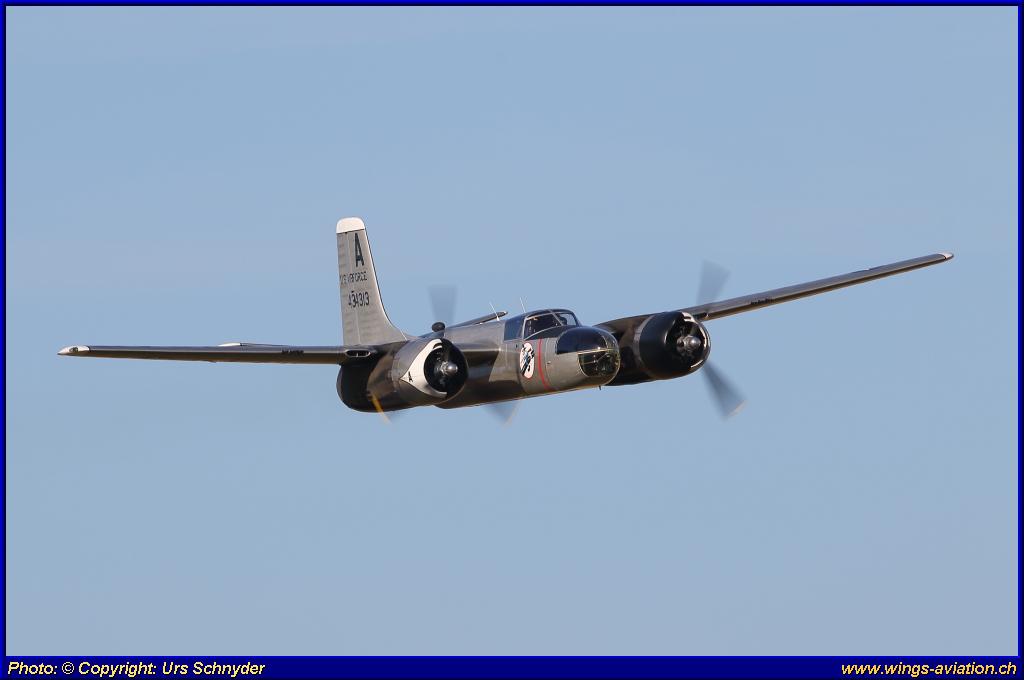
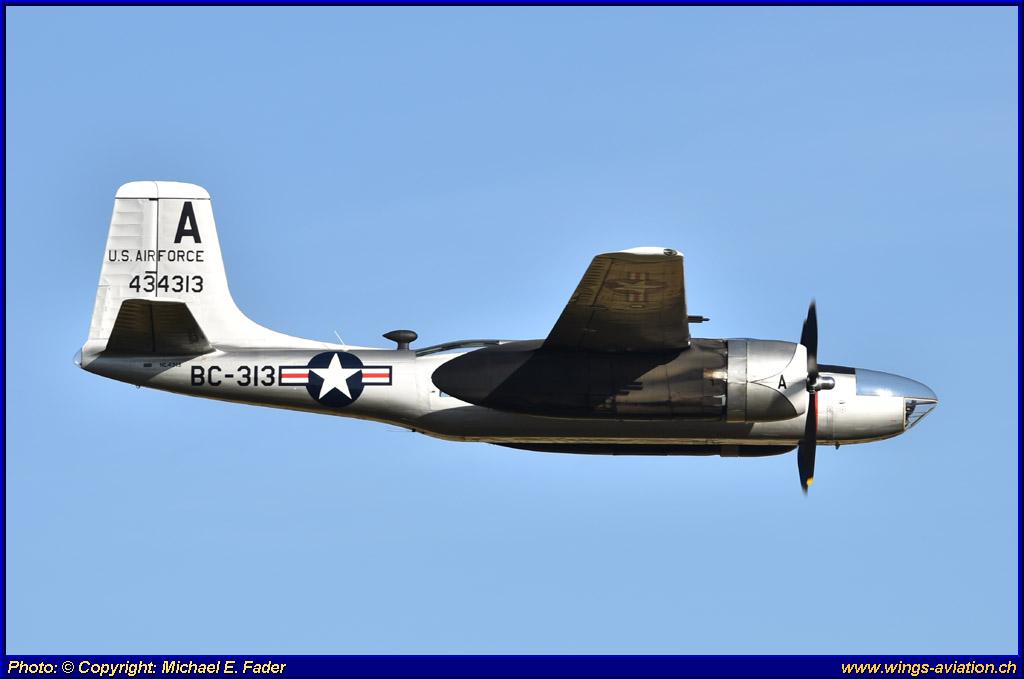
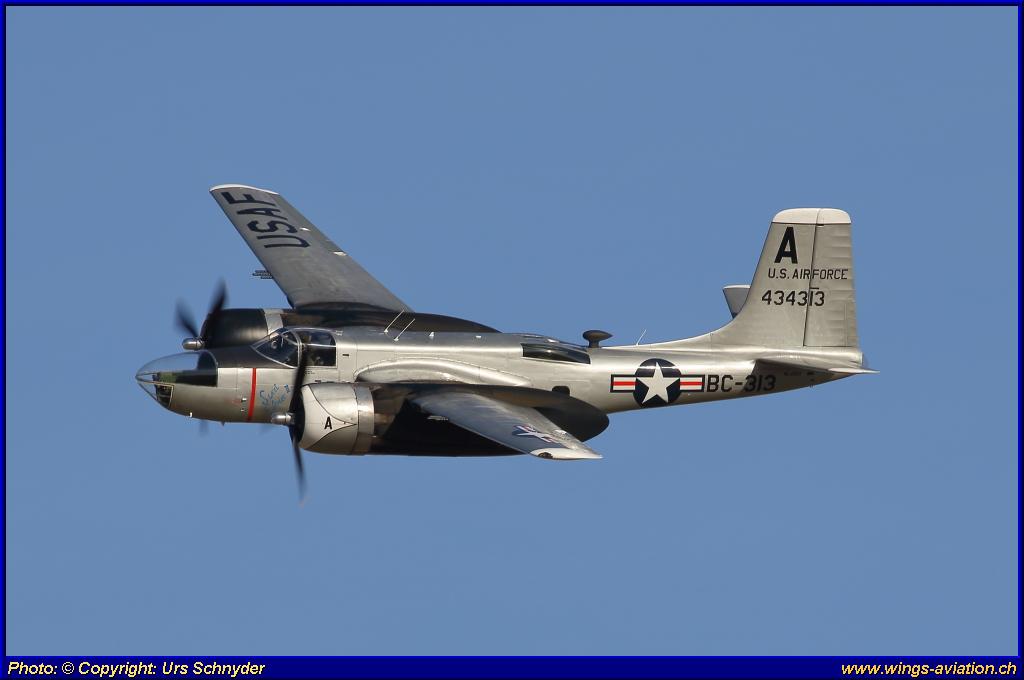
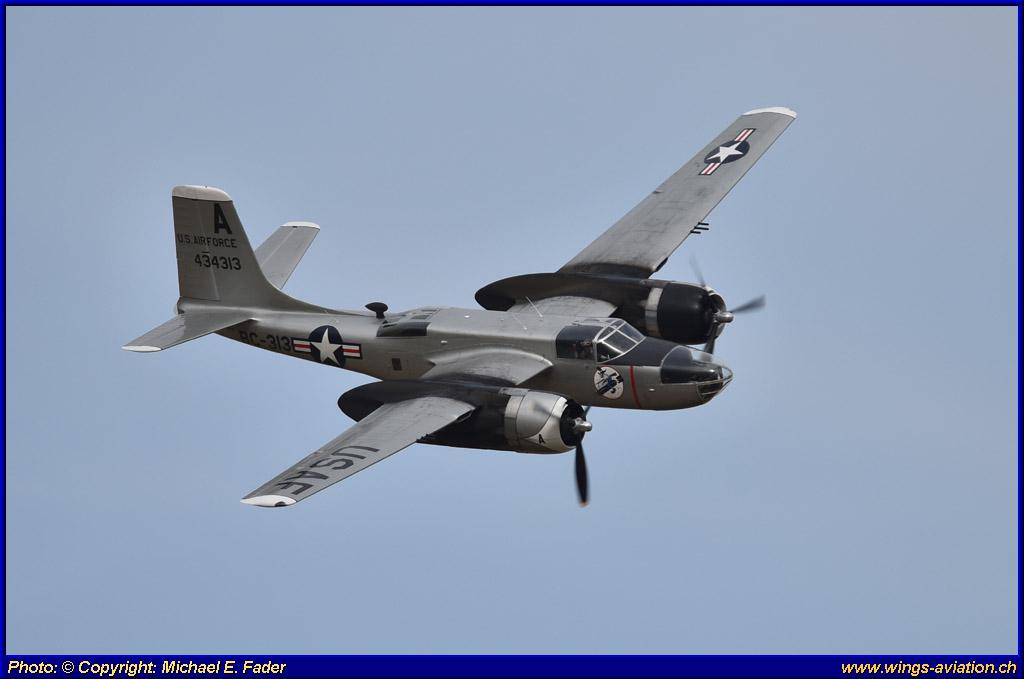
The Douglas A-26B Invader (N4313) deserves a special mention in this trio, as this aircraft is the only one that actually took part in the Korean War. In 1951, as the Korean War was already entering its second year, the 44-34313 was flown back to Douglas in Long Beach to be converted to the A-26C configuration with a glazed nose. In June 1951, it was assigned to the 452nd Bomb Wing, 730th Bomb Squadron in Pusan, where it became the service aircraft of Wing Commander Charles H. Howe, who christened the aircraft "Sweet Eloise II" after his wife.
Within just two years, the 44-34313 clocked up around 1,900 combat hours. During this time, it survived a direct anti-aircraft hit to the bomb bay in December 1951. On another mission in February 1952, the aircraft was struck again by anti-aircraft fire, this time in the nose section. Since 2025, the aircraft has been owned by the Polish entrepreneur Marcin Kubrak and is based in Europe.
(Picture courtesy Urs Schnyder)
(Picture courtesy Michael E. Fader)
(Picture courtesy Urs Schnyder)
(Picture courtesy Michael E. Fader)
(Picture courtesy Urs Schnyder)
(Picture courtesy Michael E. Fader)
(Picture courtesy Urs Schnyder)
(Picture courtesy Michael E. Fader)
(Picture courtesy Urs Schnyder)
(Picture courtesy Michael E. Fader)
MiG-17F
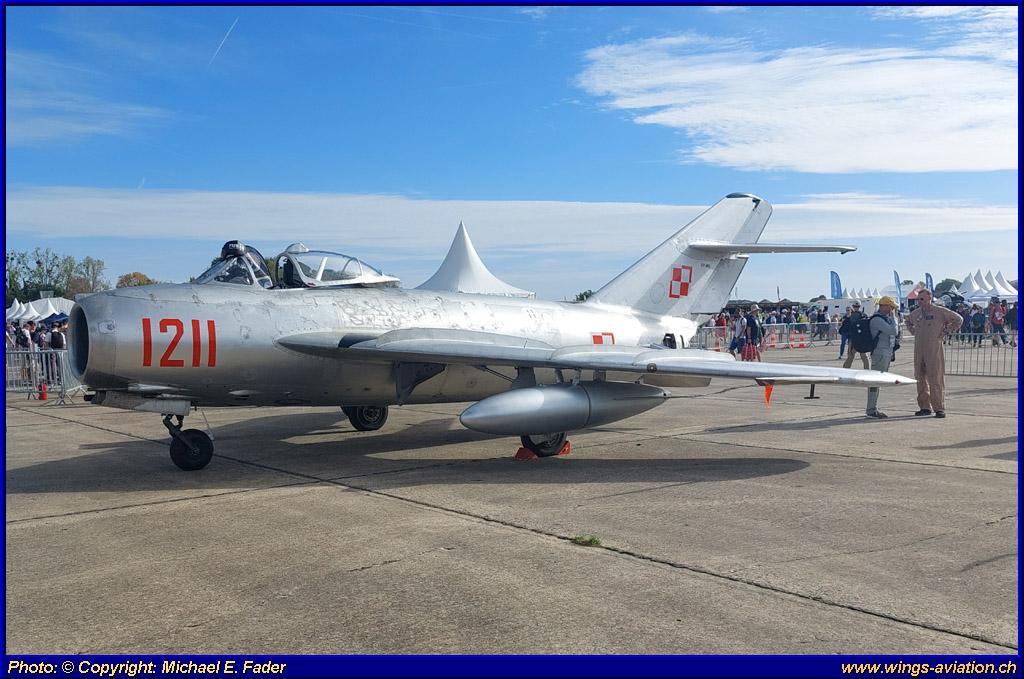
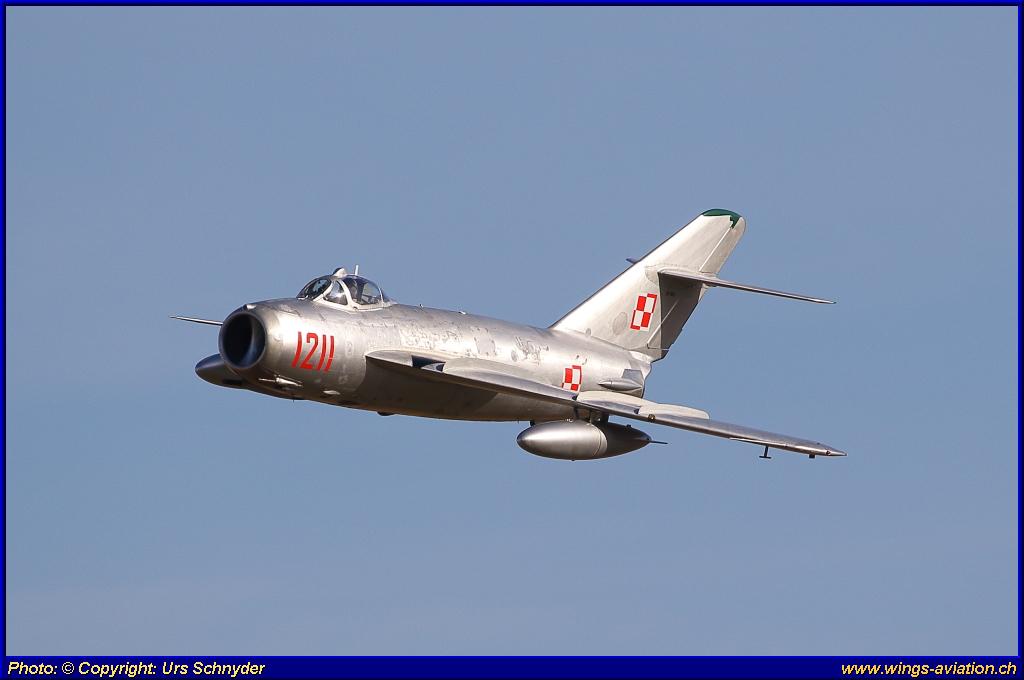
A particular highlight of the Air Legend 2026 air show was the demonstration of the MiG-17F. This Soviet fighter from the late 1950s belongs to a generation of aircraft that played a decisive role in shaping the transition from the first jet fighters to more powerful supersonic aircraft. The use of the afterburner provided particularly spectacular sights. As the aircraft accelerated, large, clearly visible flames shot out of the engine, giving the MiG-17F an impressive presence in the sky. The aircraft performed several high-speed fly-pasts and dynamic turns, which really showcased its classic lines.
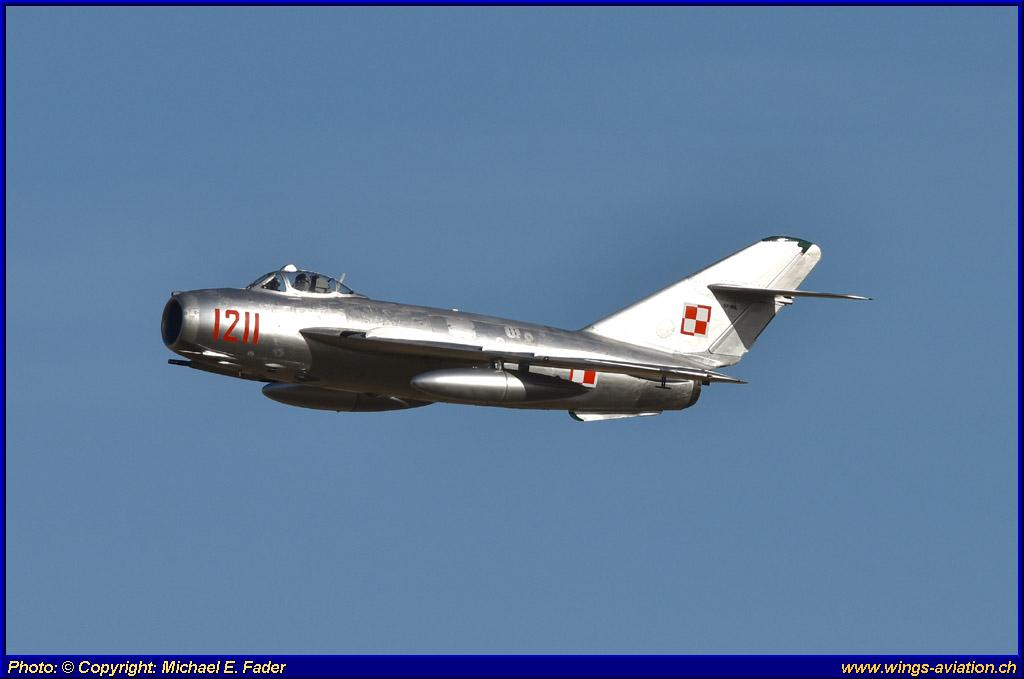
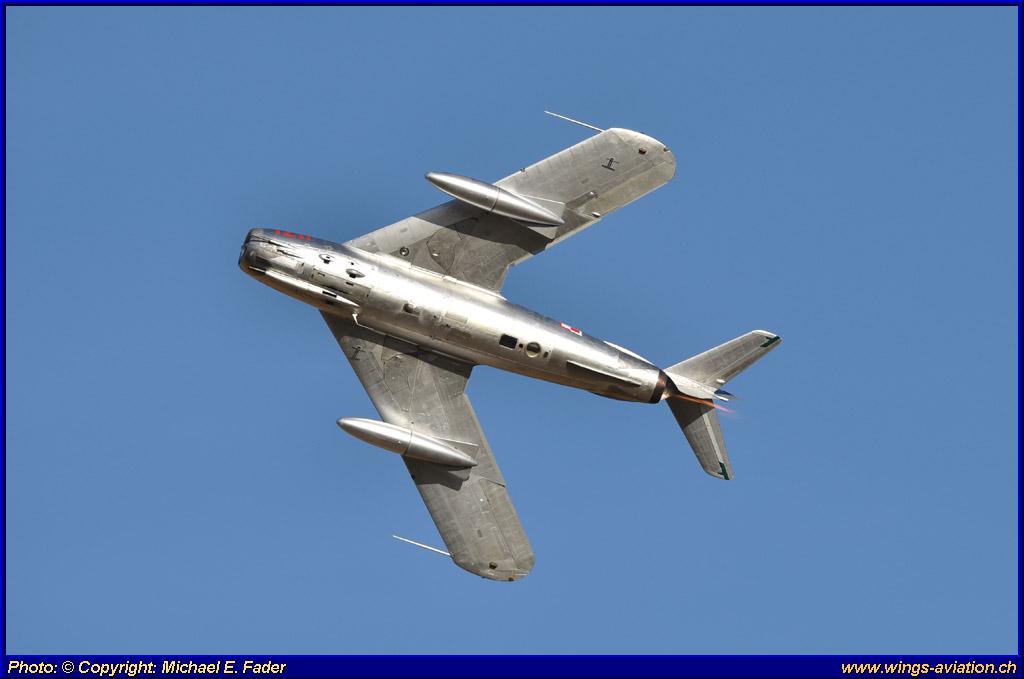
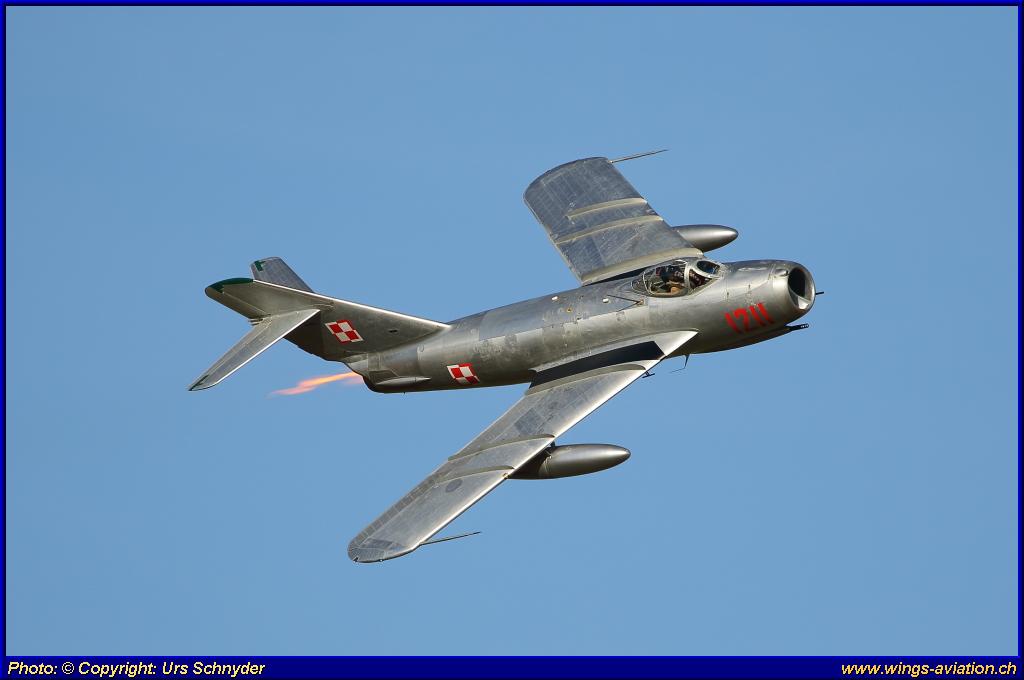
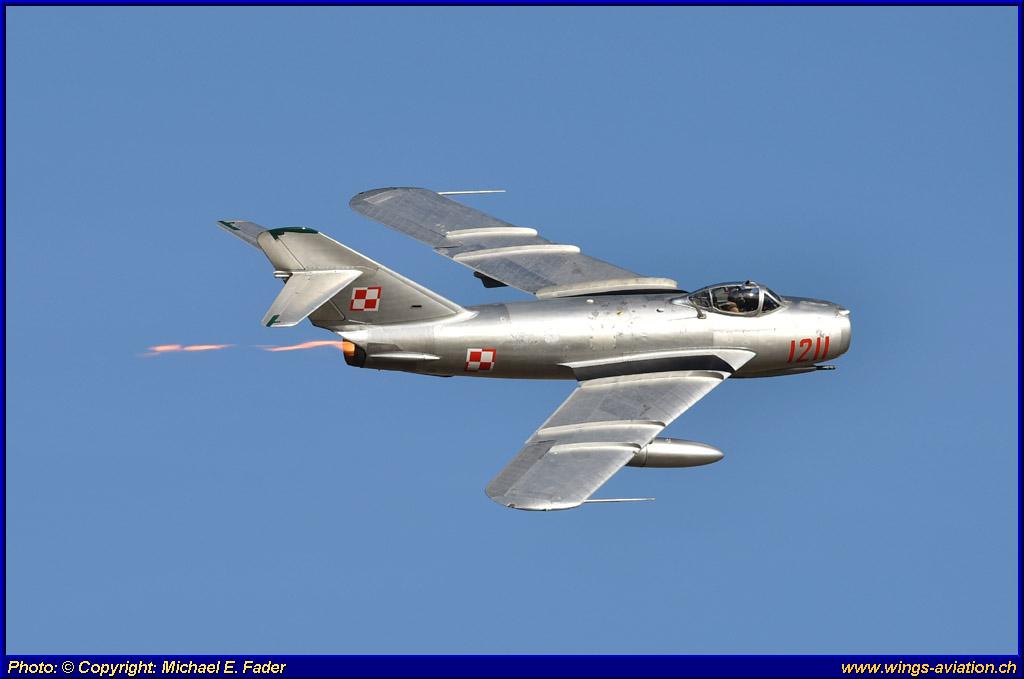
(Picture courtesy Urs Schnyder)
(Picture courtesy Michael E. Fader)
(Picture courtesy Michael E. Fader)
(Picture courtesy Urs Schnyder)
(Picture courtesy Michael E. Fader)
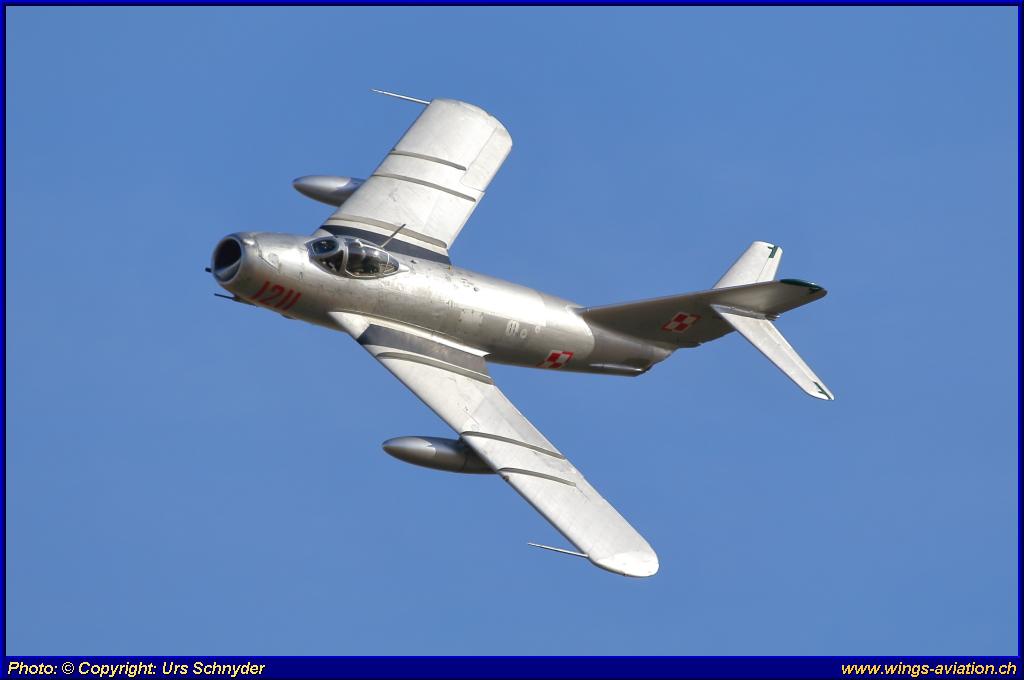
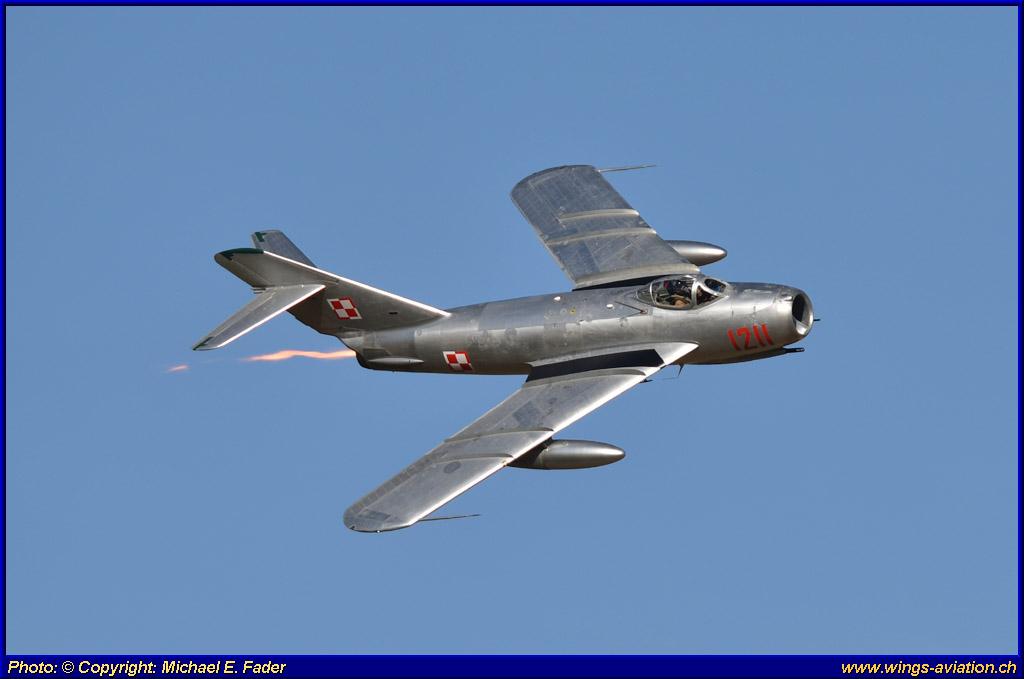
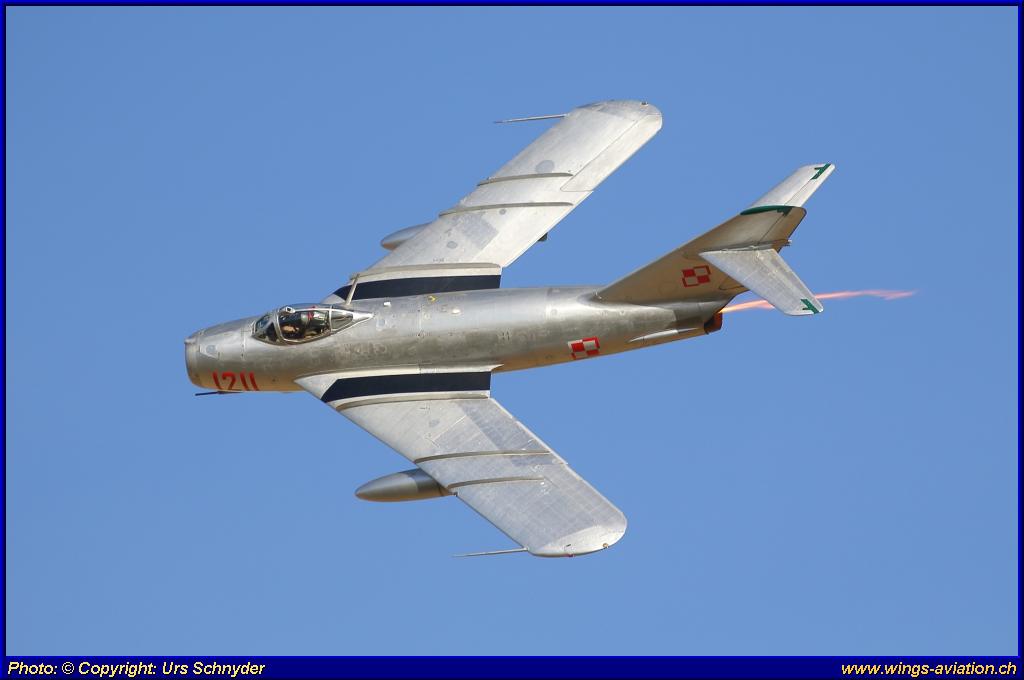
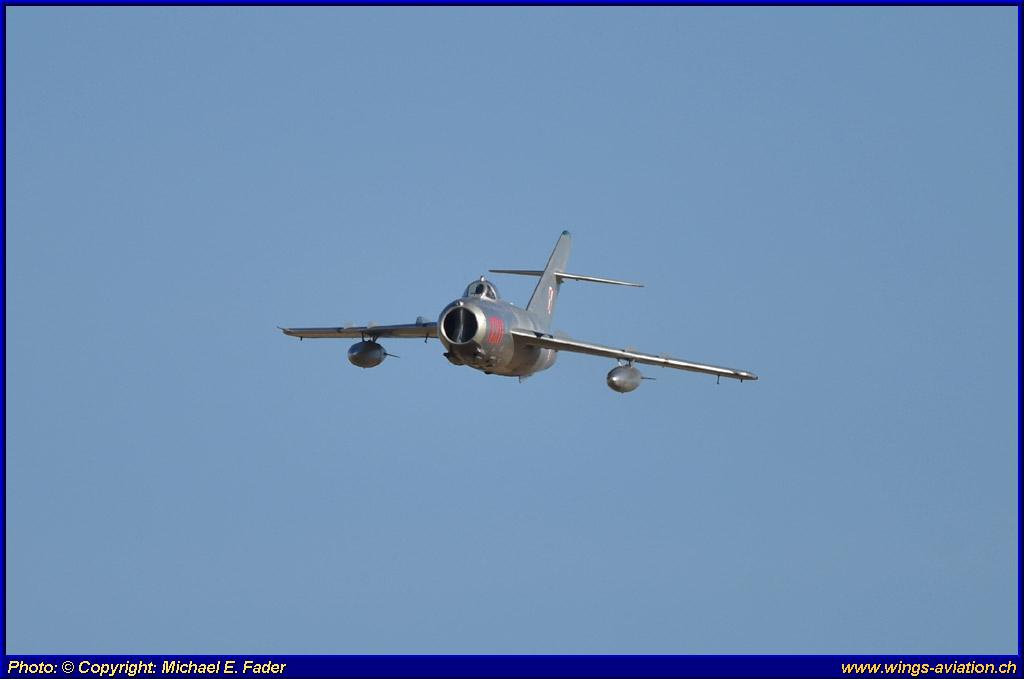
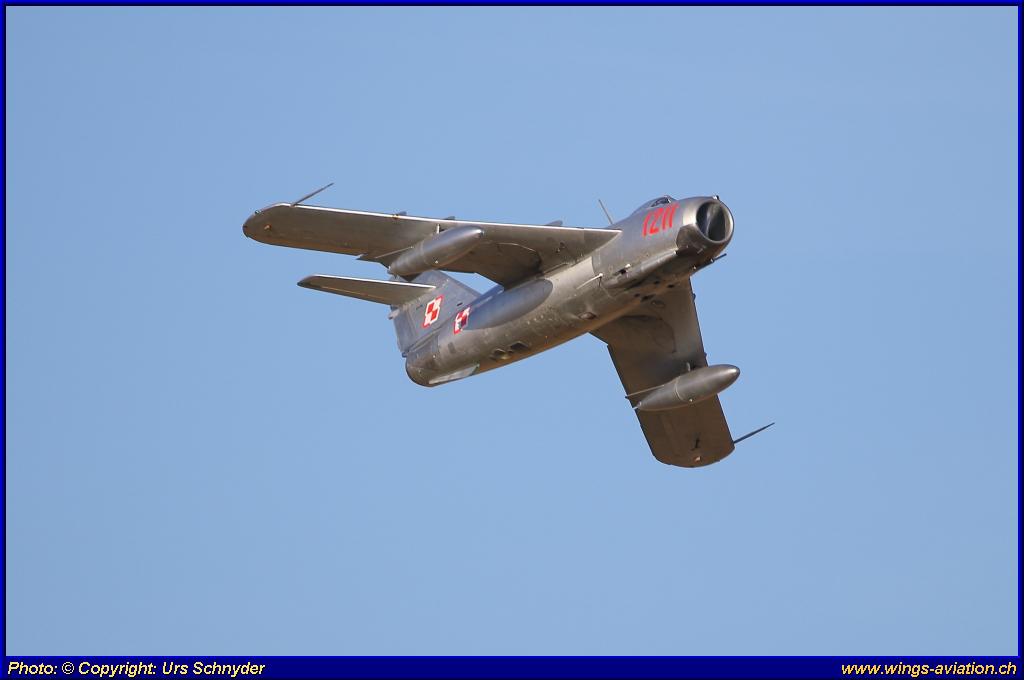
(Picture courtesy Urs Schnyder)
(Picture courtesy Michael E. Fader)
(Picture courtesy Urs Schnyder)
(Picture courtesy Michael E. Fader)
(Picture courtesy Urs Schnyder)
Trainer (Fouga Magister)
The Patrouille Tranchant aerobatic team, founded in 2004 by Jack Krine and Benjamin Tranchant, was represented at Air Legends by just one Fouga Magister. Sightseeing flights were also offered on board the aircraft. During the air show, the Fouga also impressively demonstrated its manoeuvrability. Other historic training aircraft, such as a Bücker Bü 131 Jungmann and a Stearman Kaydet, were also on display in flight.
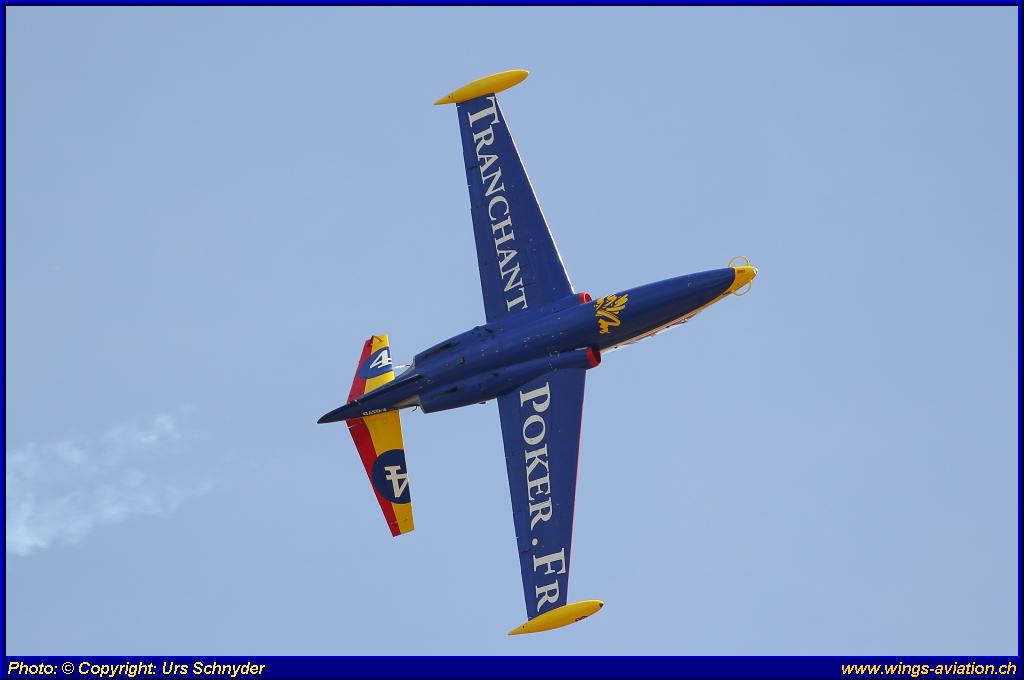
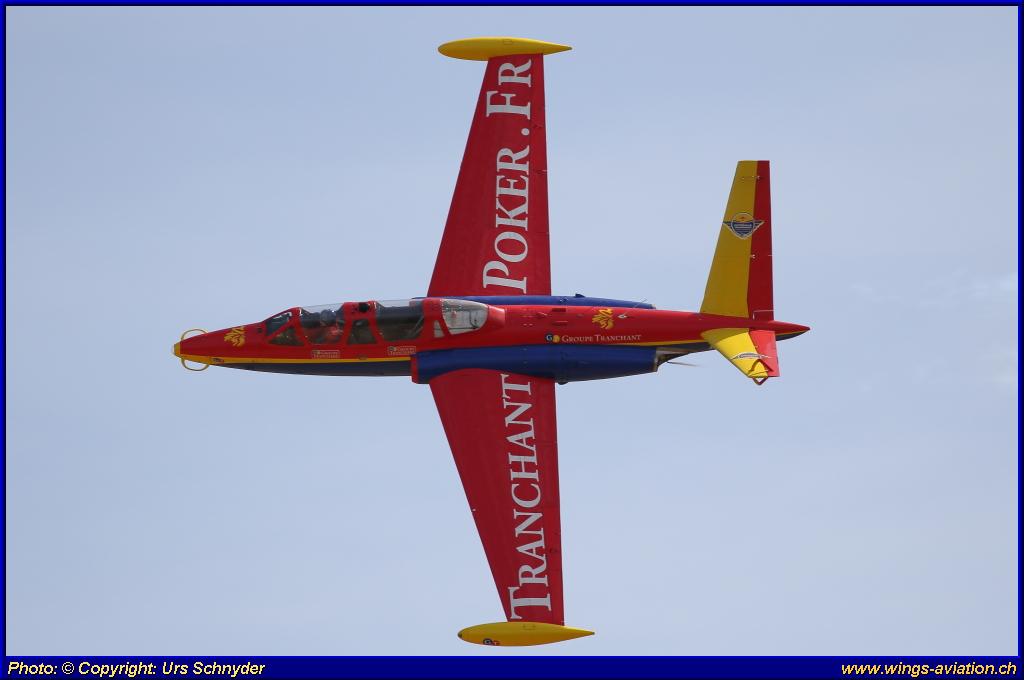
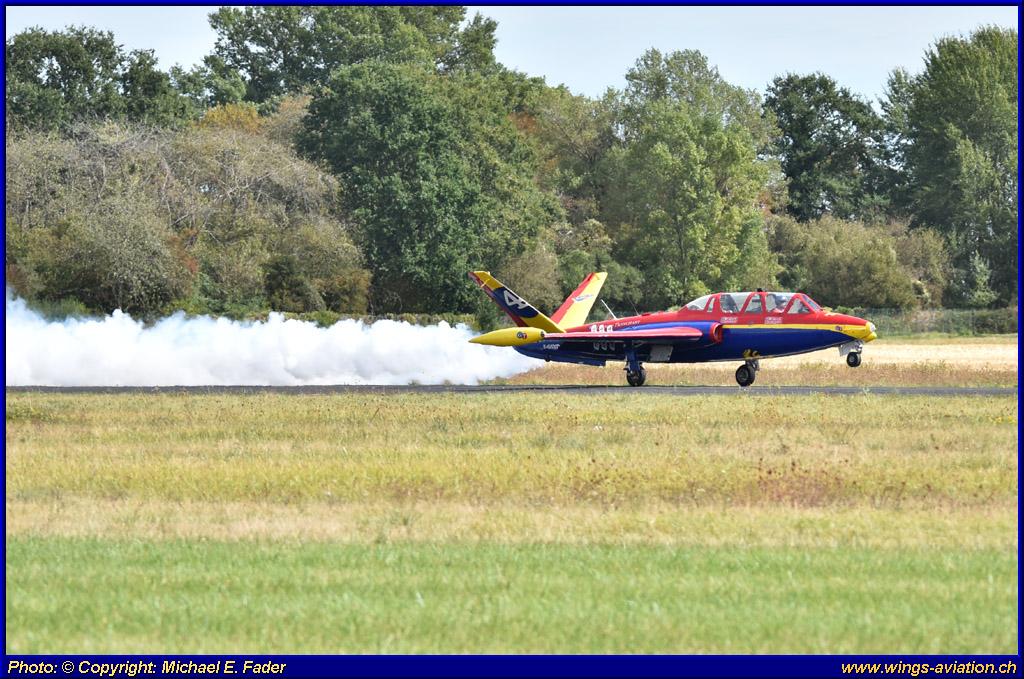
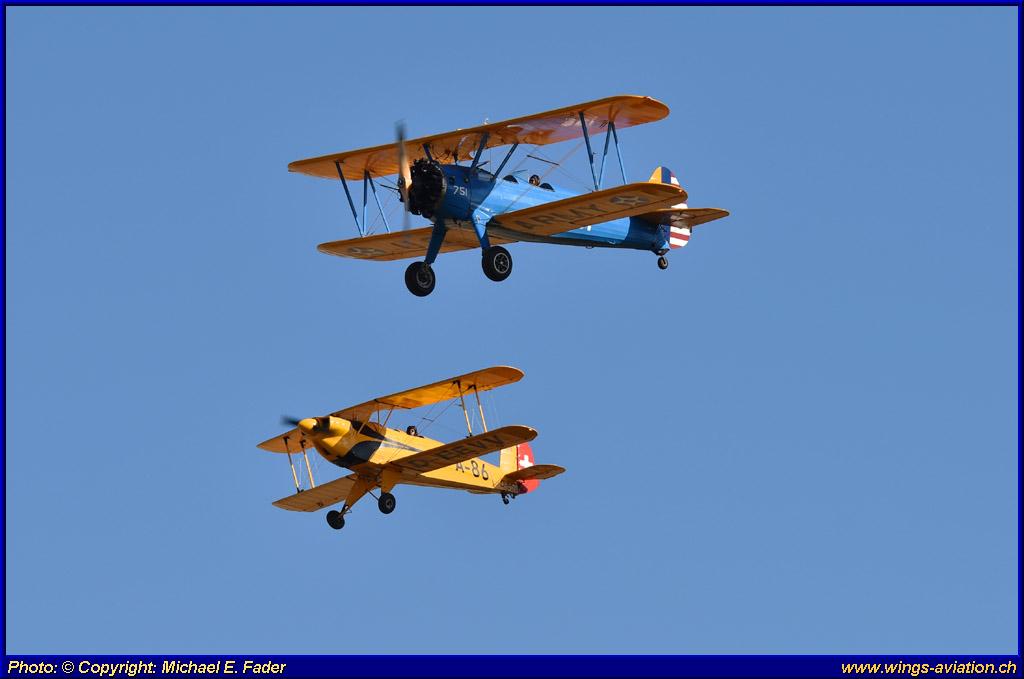
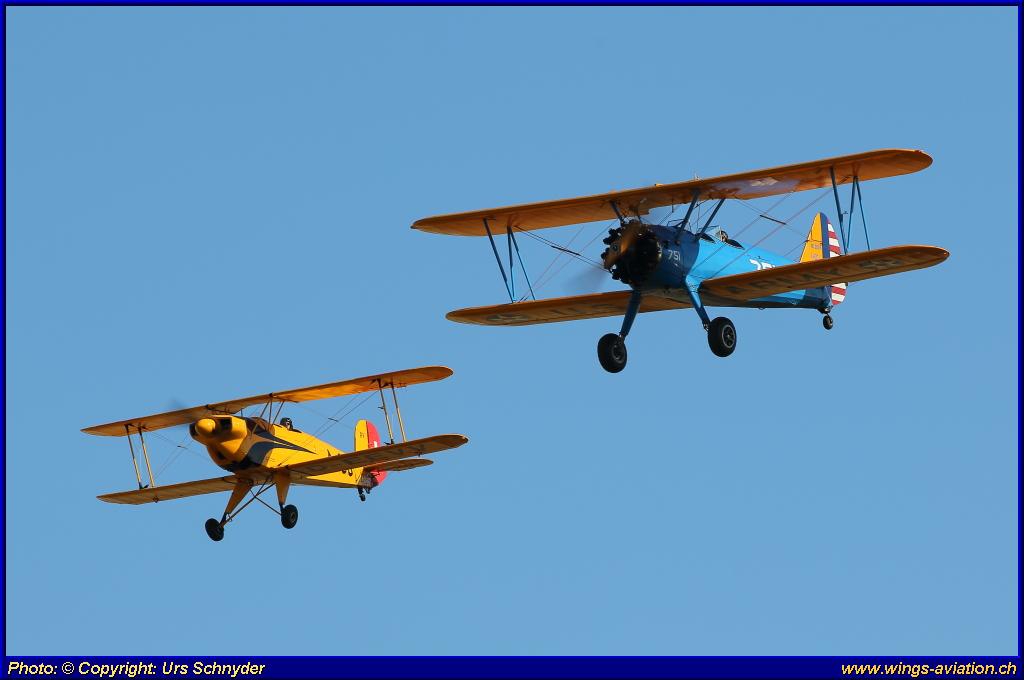
(Picture courtesy Urs Schnyder)
(Picture courtesy Urs Schnyder)
(Picture courtesy Michael E. Fader)
(Picture courtesy Michael E. Fader)
(Picture courtesy Urs Schnyder)
Patrouille de France
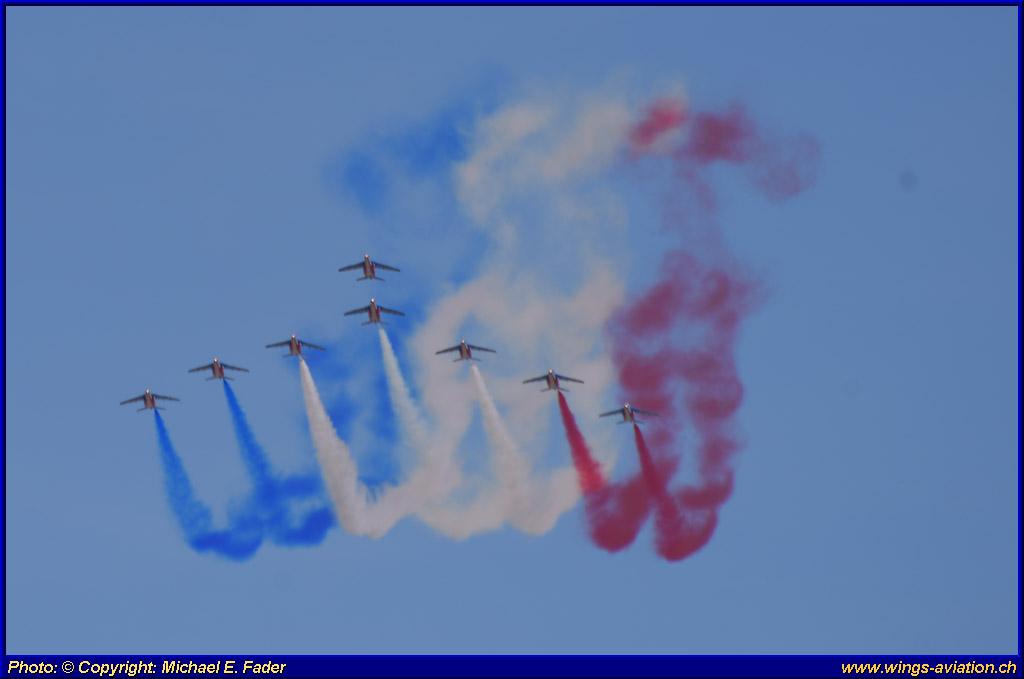
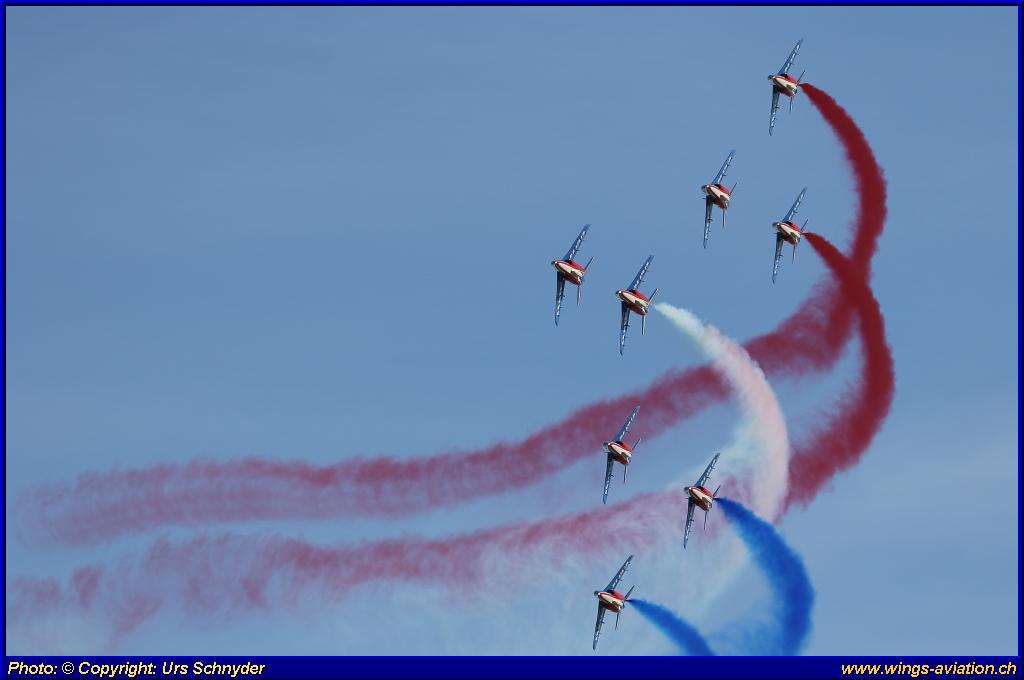
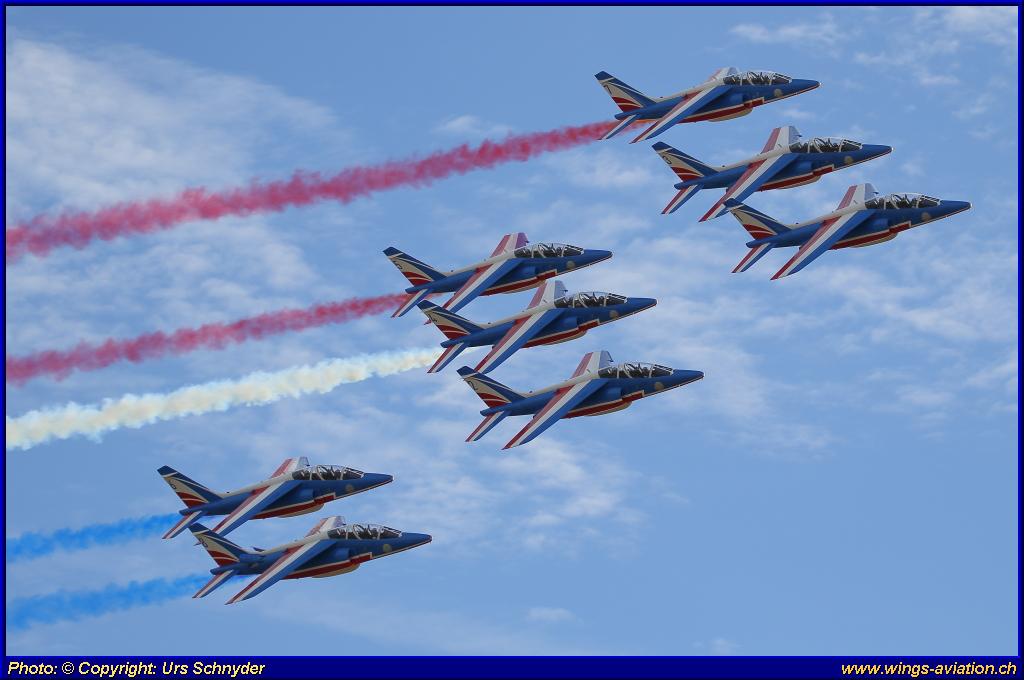
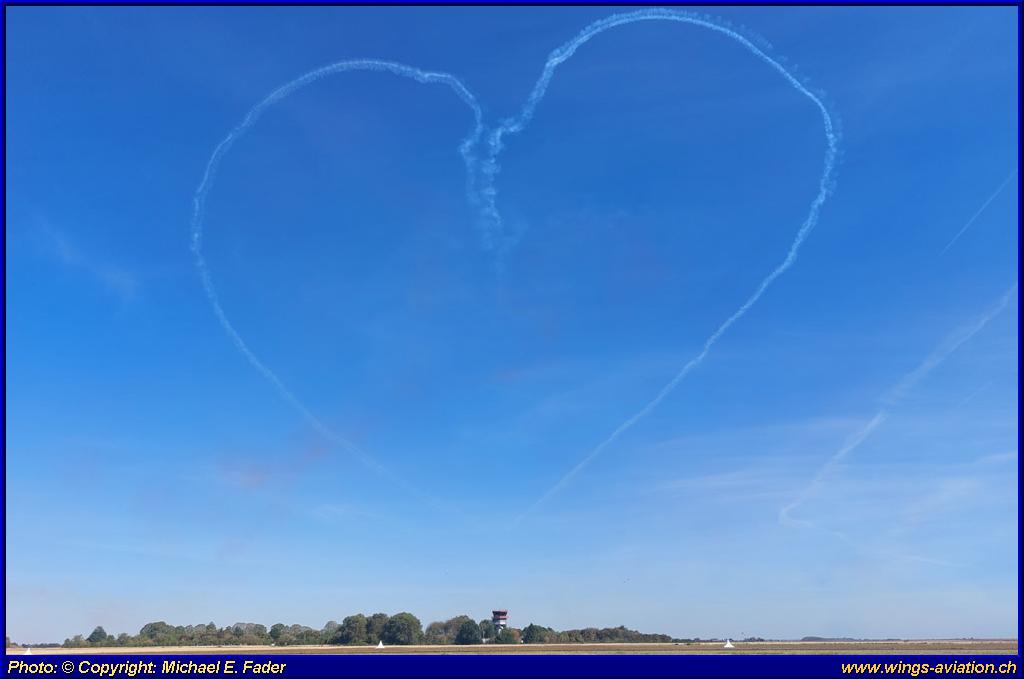
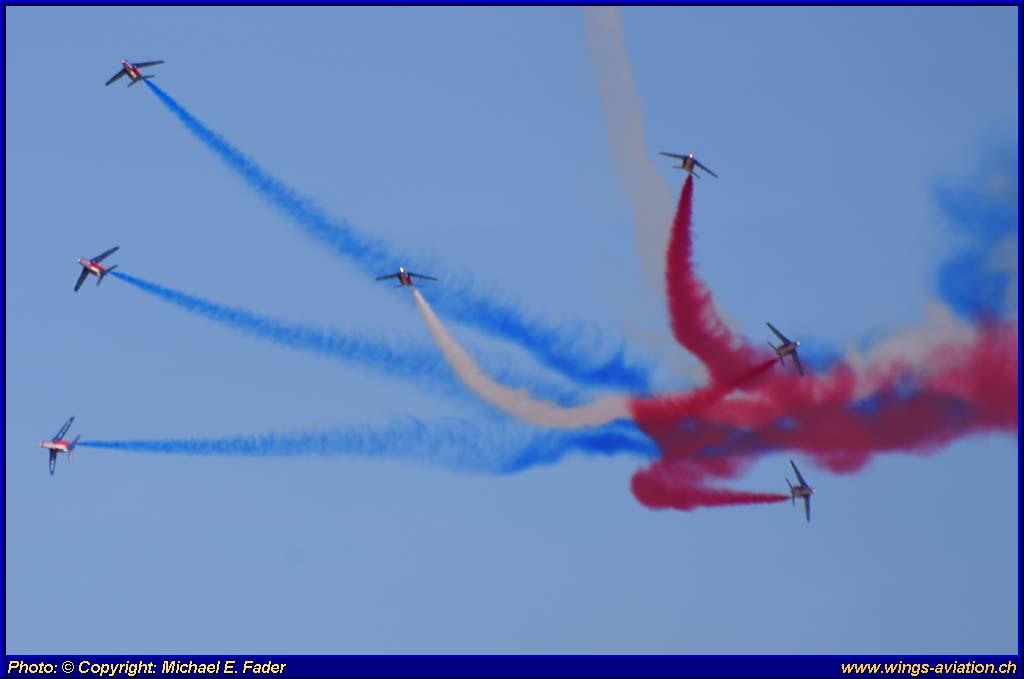
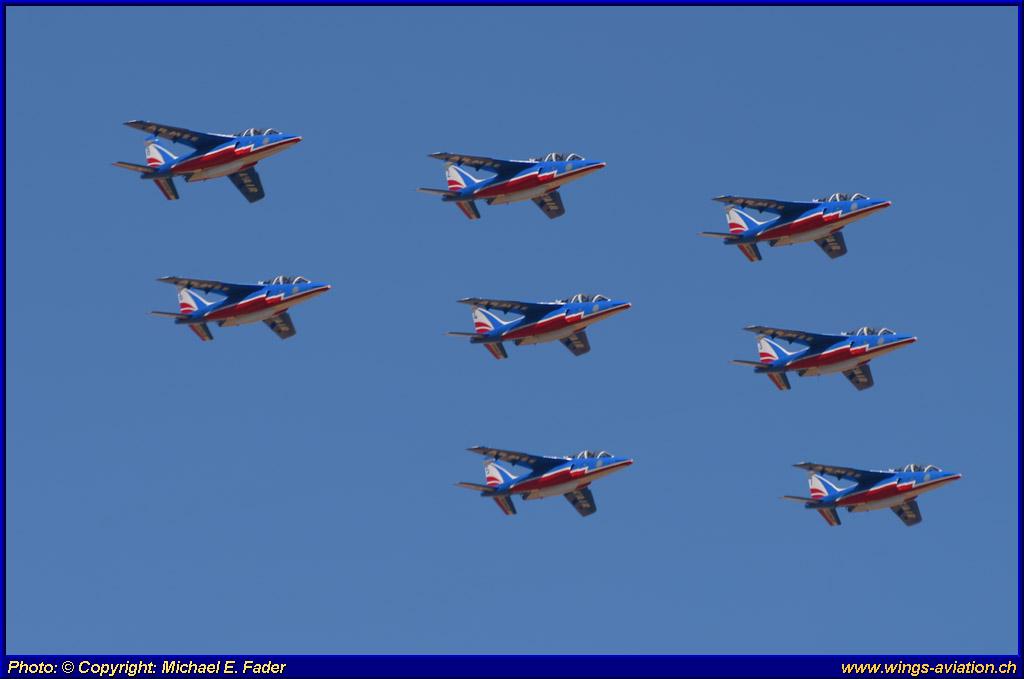
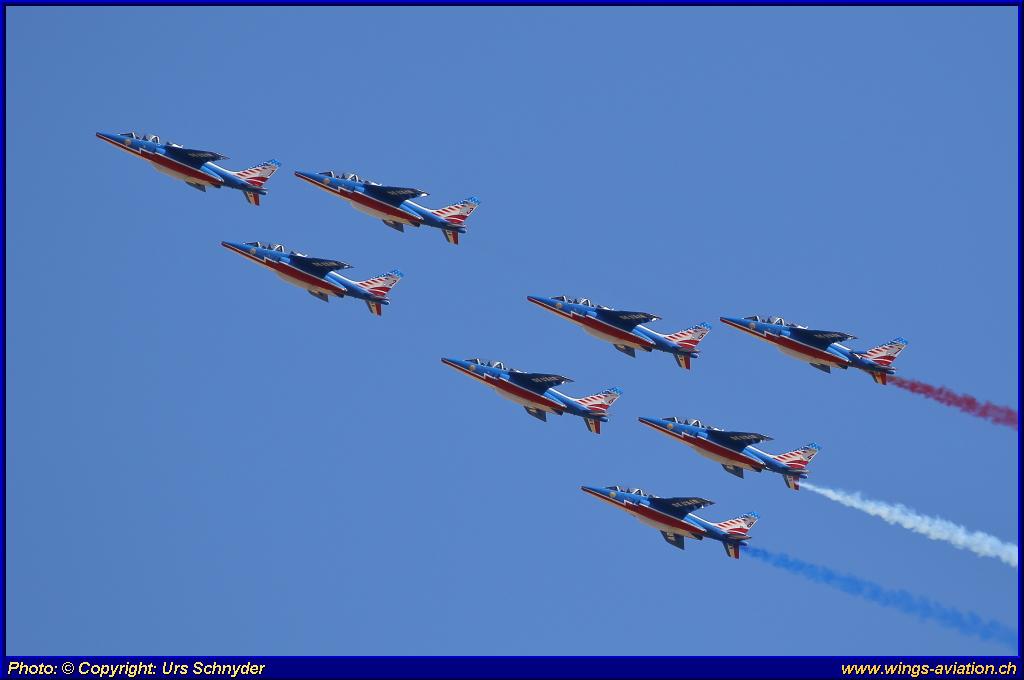
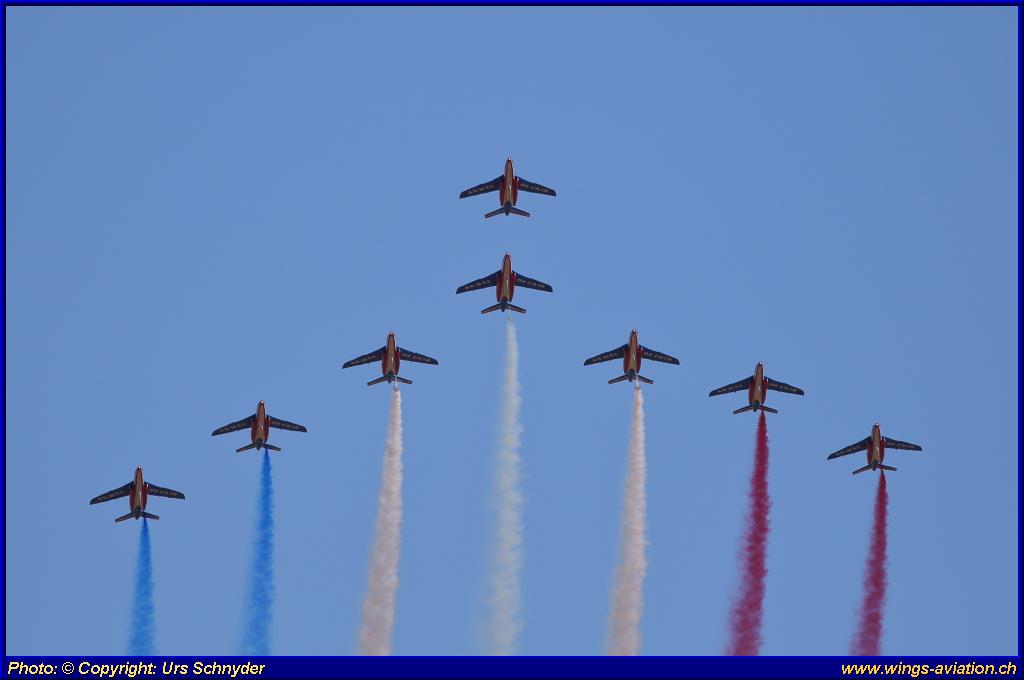
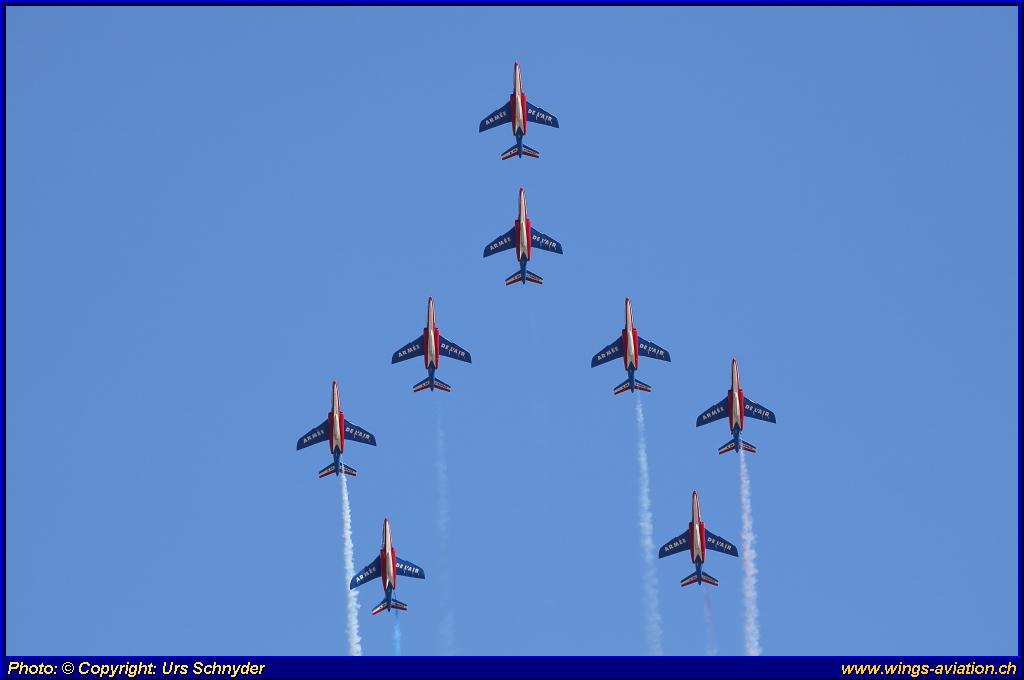
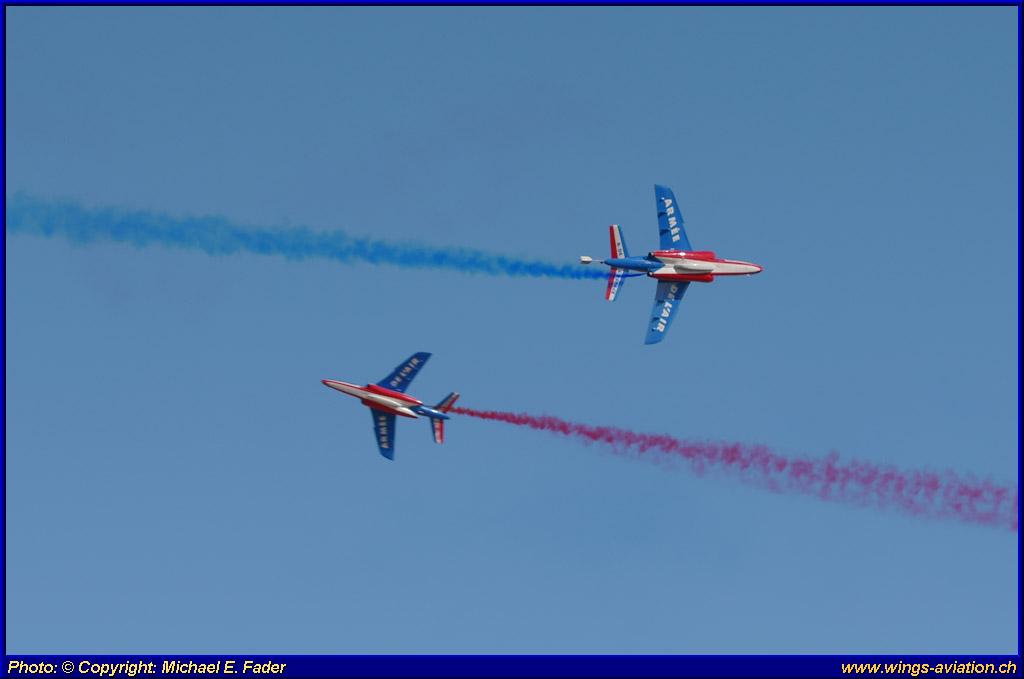
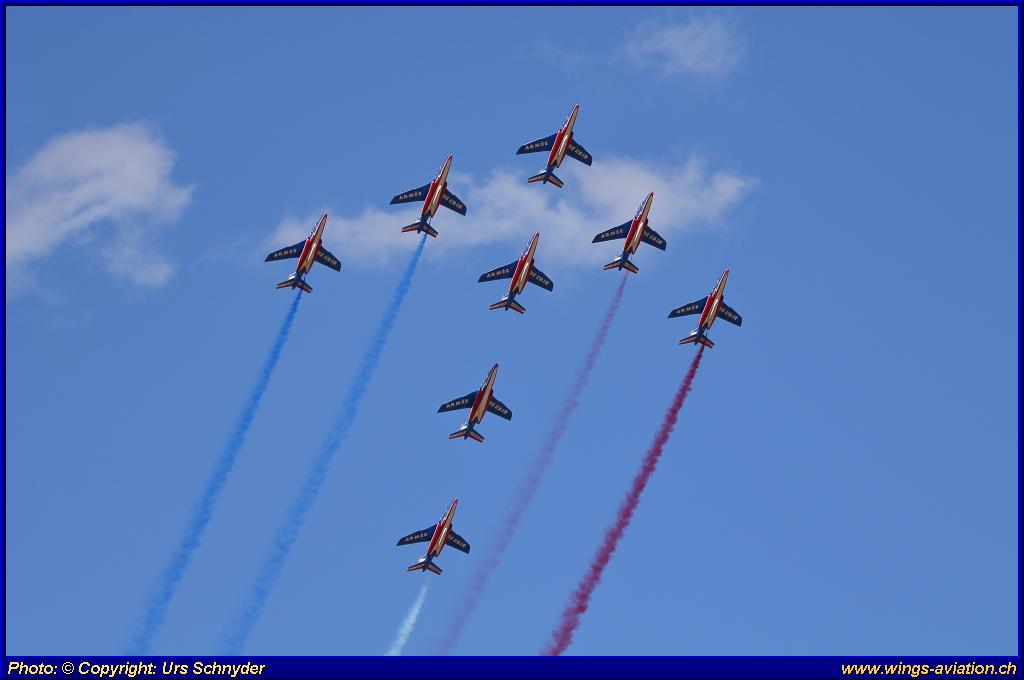
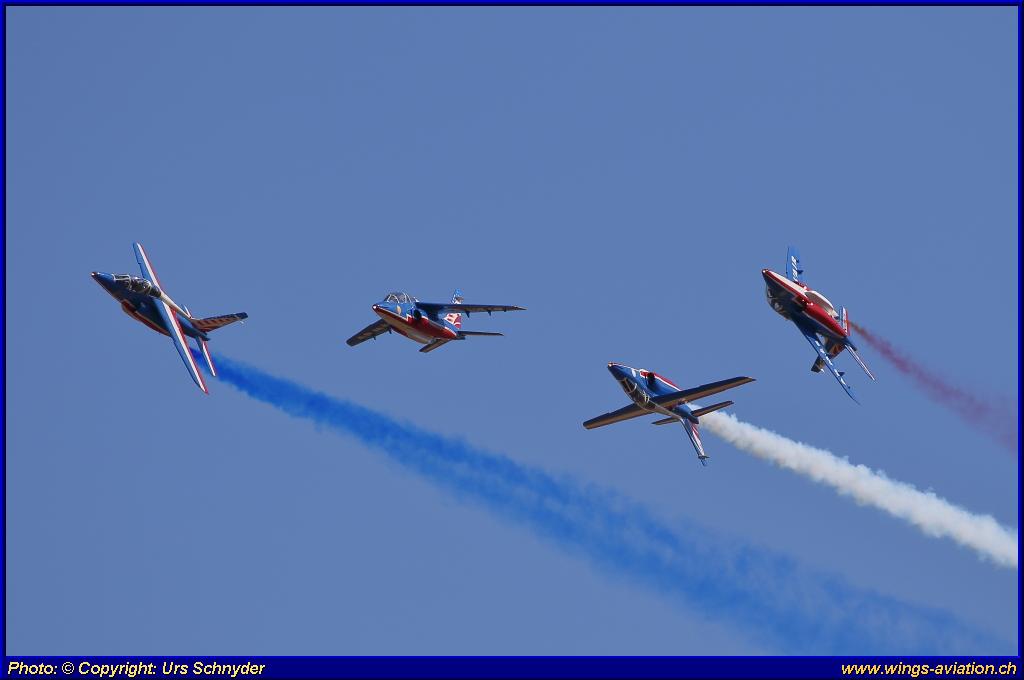
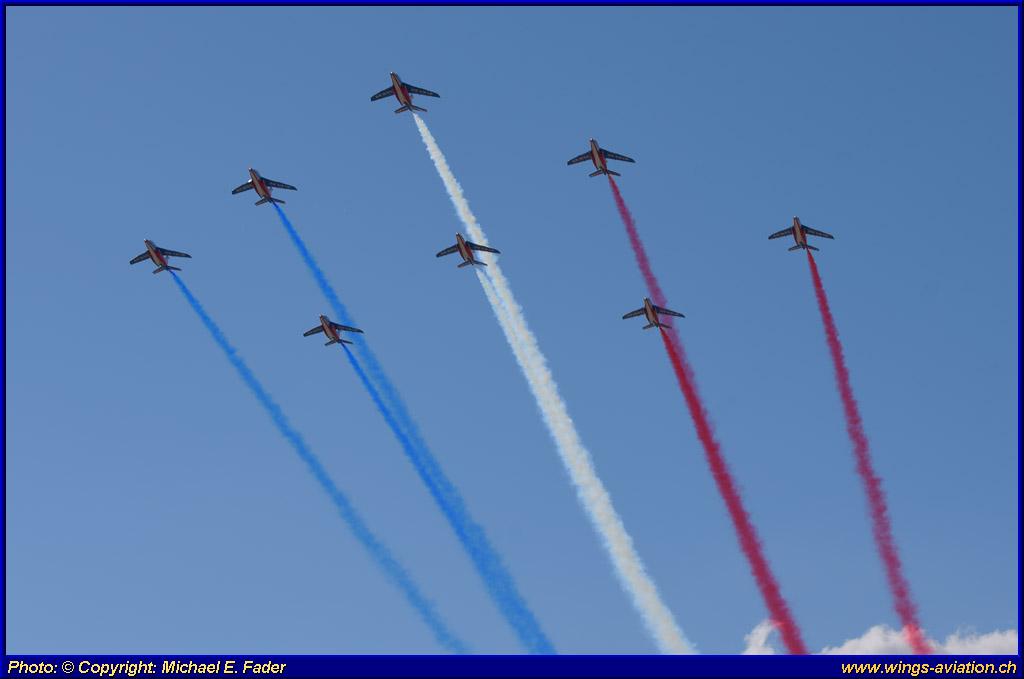
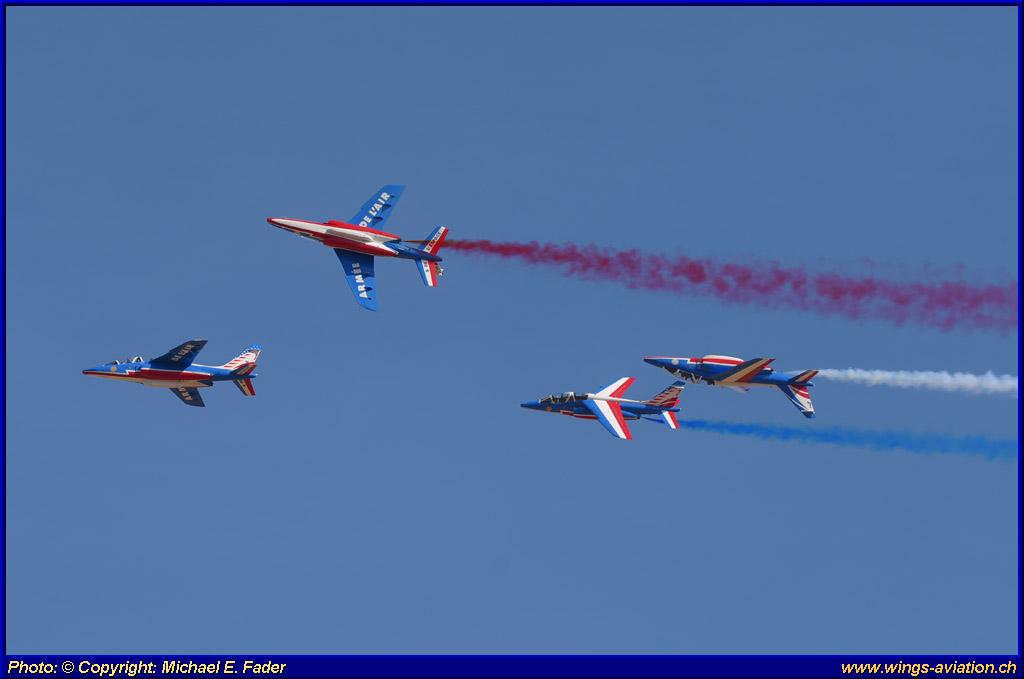
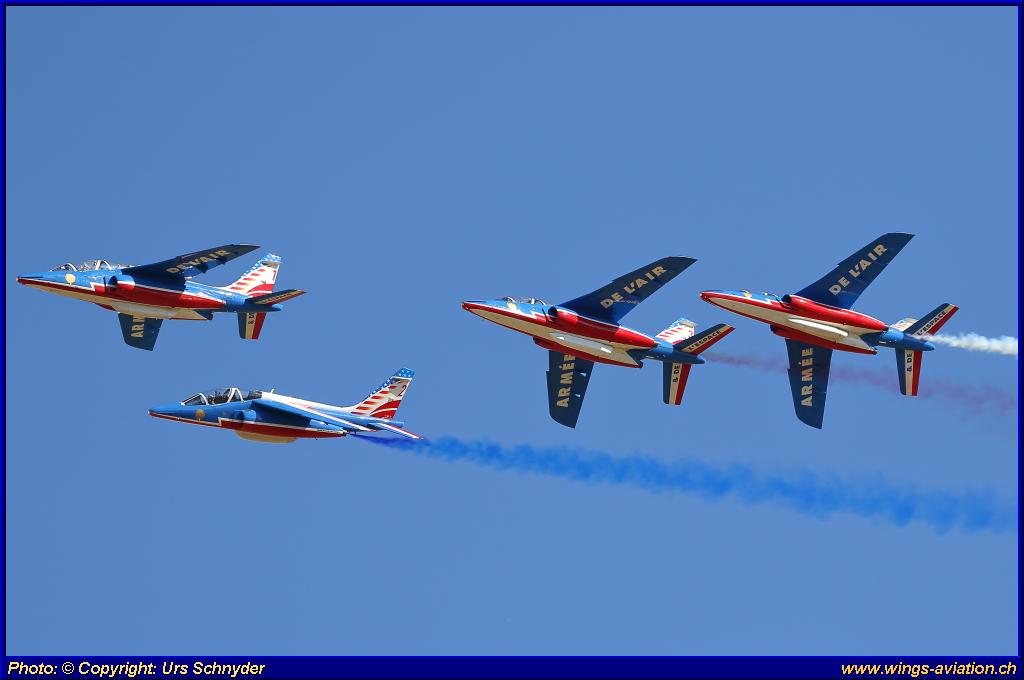
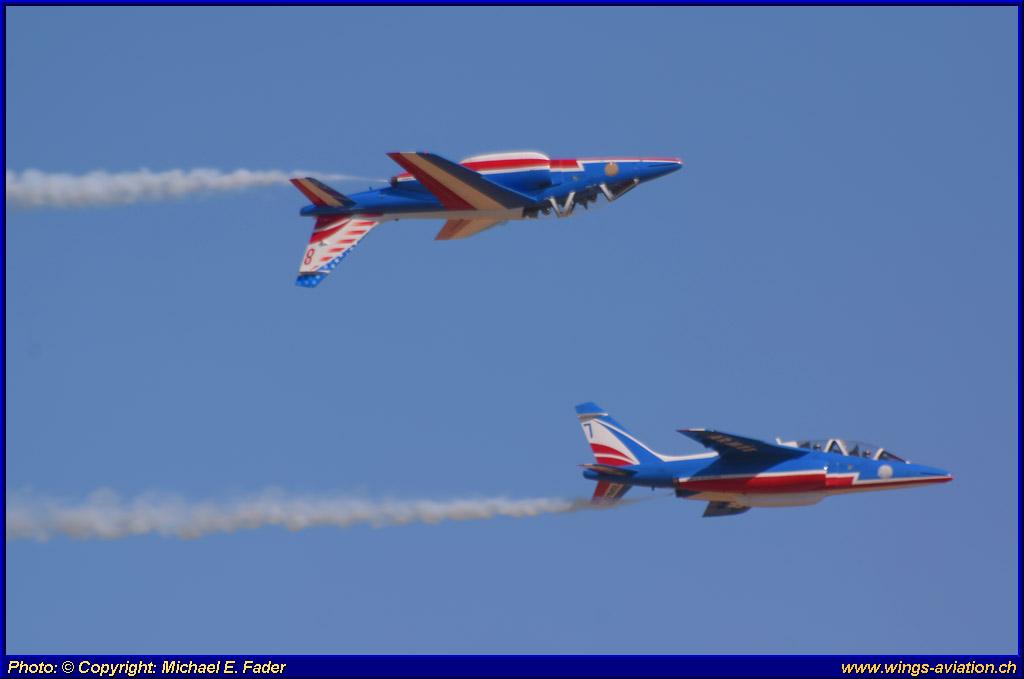
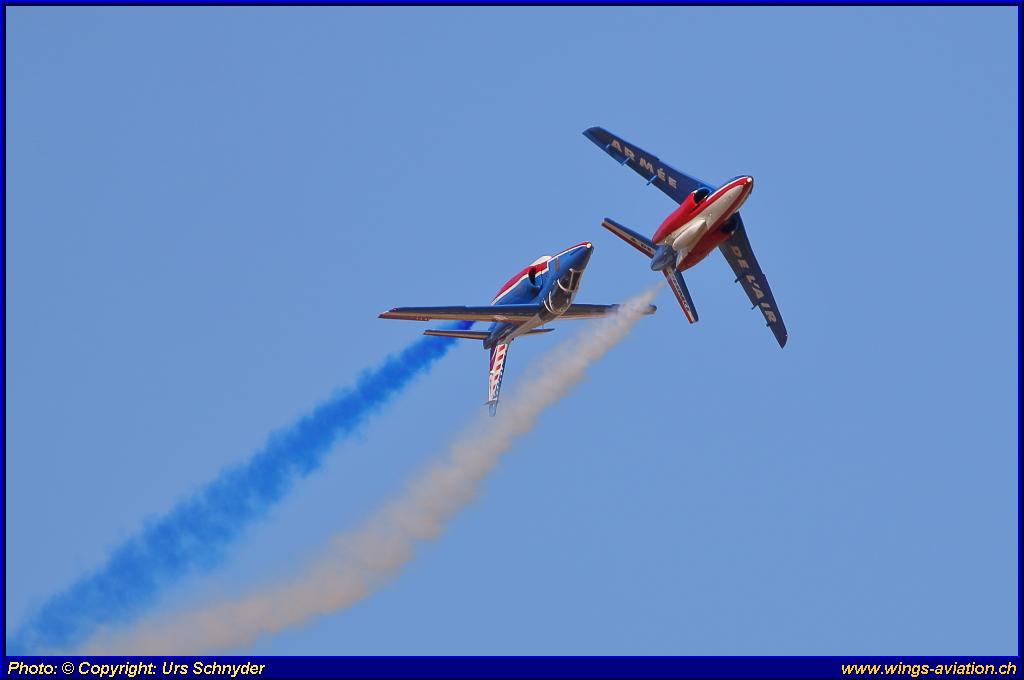
One of the highlights of the programme was undoubtedly the display by the Patrouille de France. Flying their now rather ageing Dassault Alpha Jets, the French aerobatic team performed their demanding programme over Melun-Villaroche on Saturday. A particular highlight of the display was the manoeuvres involving individual aircraft within the formation. Whilst some of the jets maintained formation, the solo aircraft broke away and crossed the flight paths of the remaining aircraft at high speed.
In July 2026, the Patrouille de France travelled to the USA to celebrate the 250th anniversary of the United States. To mark this special occasion, the left side of the Alpha Jets was adorned with a special livery designed specifically for the celebrations. In addition to various elements commemorating the US anniversary, each aircraft bore the name of a historical figure. This served to visually highlight the close ties between France and the United States, as well as the shared history of both nations.
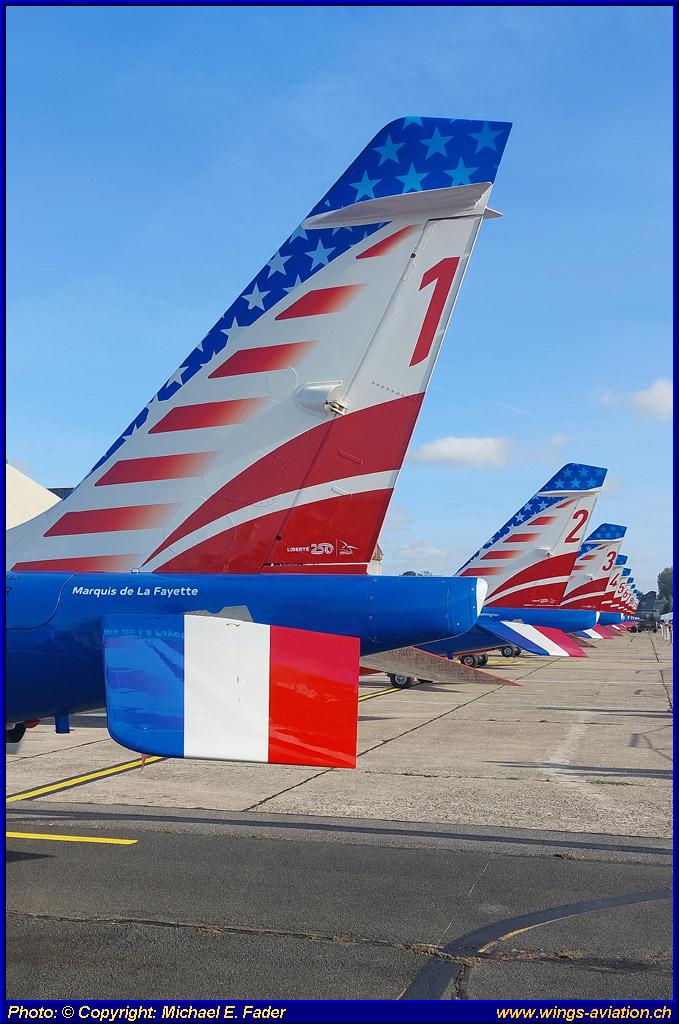
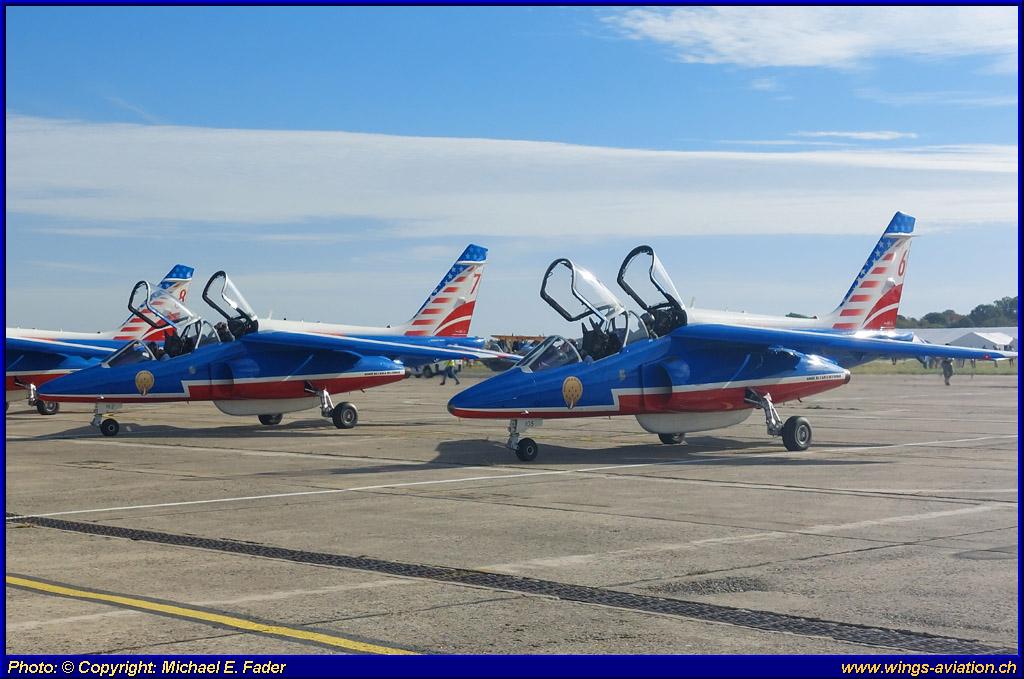
(Picture courtesy Michael E. Fader)
(Picture courtesy Michael E. Fader)
(Picture courtesy Urs Schnyder)
(Picture courtesy Urs Schnyder)
(Picture courtesy Michael E. Fader)
(Picture courtesy Urs Schnyder)
(Picture courtesy Michael E. Fader)
(Picture courtesy Urs Schnyder)
(Picture courtesy Urs Schnyder)
(Picture courtesy Michael E. Fader)
(Picture courtesy Michael E. Fader)
(Picture courtesy Urs Schnyder)
(Picture courtesy Michael E. Fader)
(Picture courtesy Urs Schnyder