
|
Text: |
|
|
Pictures: |

Wings Museum
Bucklands Farm
Brantridge Lane, Near Balcombe,
West Sussex. RH17 6JT.
Dienstag bis Sonntag 10.00 - 17.00 Uhr
Eintritt £14.00
www.wingsmuseum.co.uk
Tel. -
Over the years, the editorial team at Wings-Aviation has visited aircraft museums in numerous countries. Many of these museums are located at former or still-active airfields, or are directly linked to aircraft factories and other aviation facilities. At the Wings Museum at Bucklands Farm, however, the situation is entirely different: there was neither an airfield nor a factory producing aircraft parts here.
Rather, the museum’s history began with the passion for collecting shared by two brothers. In the late 1970s, Daniel and Kevin Hunt, together with their father, Brian James Hunt (16. September 1943 – 18. October 2019), took extensive walks along the former runways and perimeter paths of the 8th US Air Force bases in East Anglia whilst visiting relatives in Norfolk. It wasn’t long before the two young brothers came across relics from the Second World War.
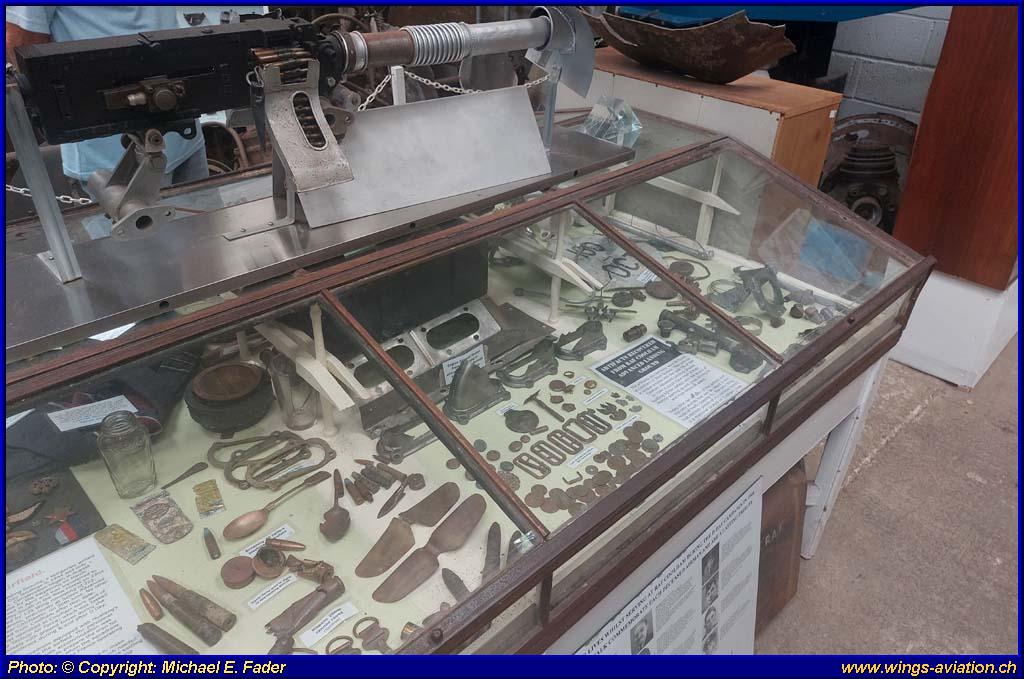
The first find of its kind was the sight from a .50-calibre Browning M2 machine gun, which they discovered at the former Flixton airfield. This unassuming relic was to lay the foundation for a collection that would grow steadily over the following decades. As they grew older, the brothers began to search ever more intensively for further traces of aviation history from that era. Today, the sight is on display at the Wings Museum, alongside numerous other artefacts discovered at former airfields across East Anglia.
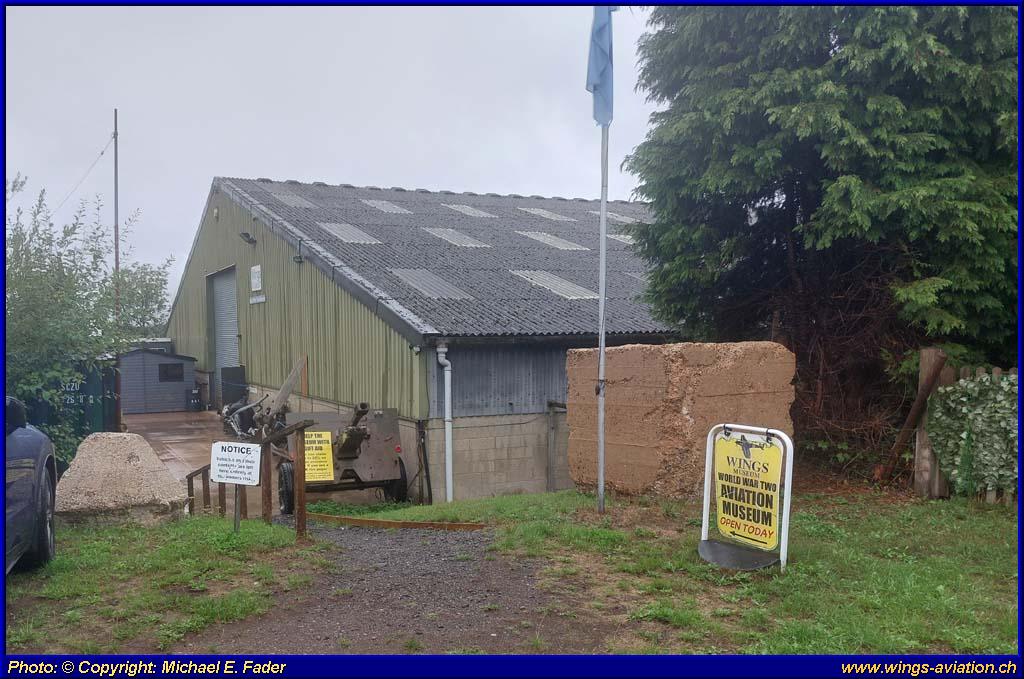
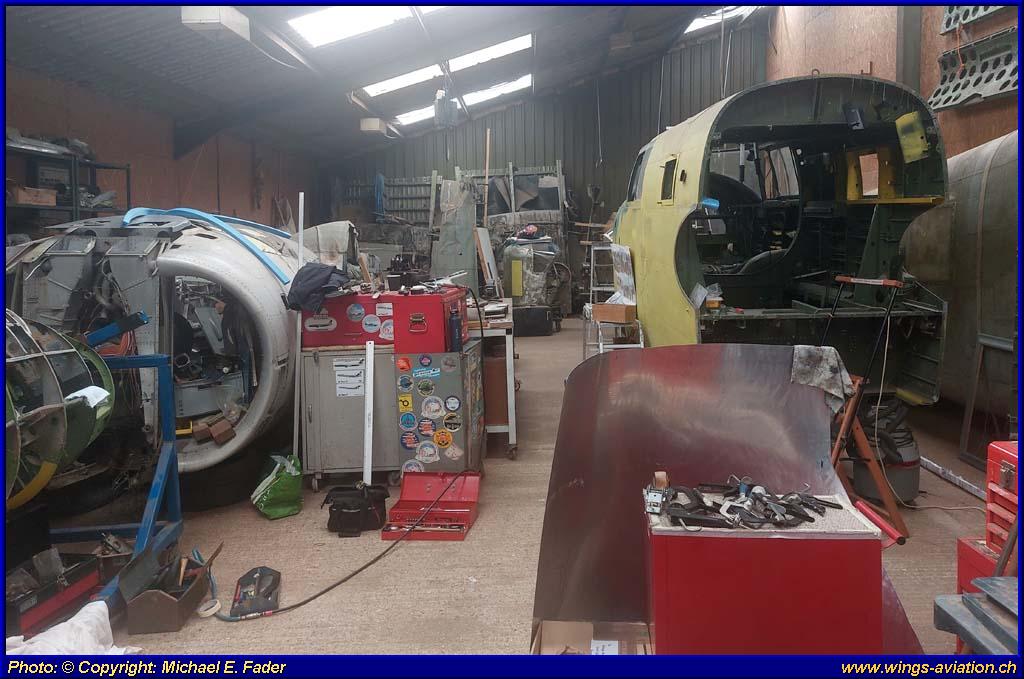
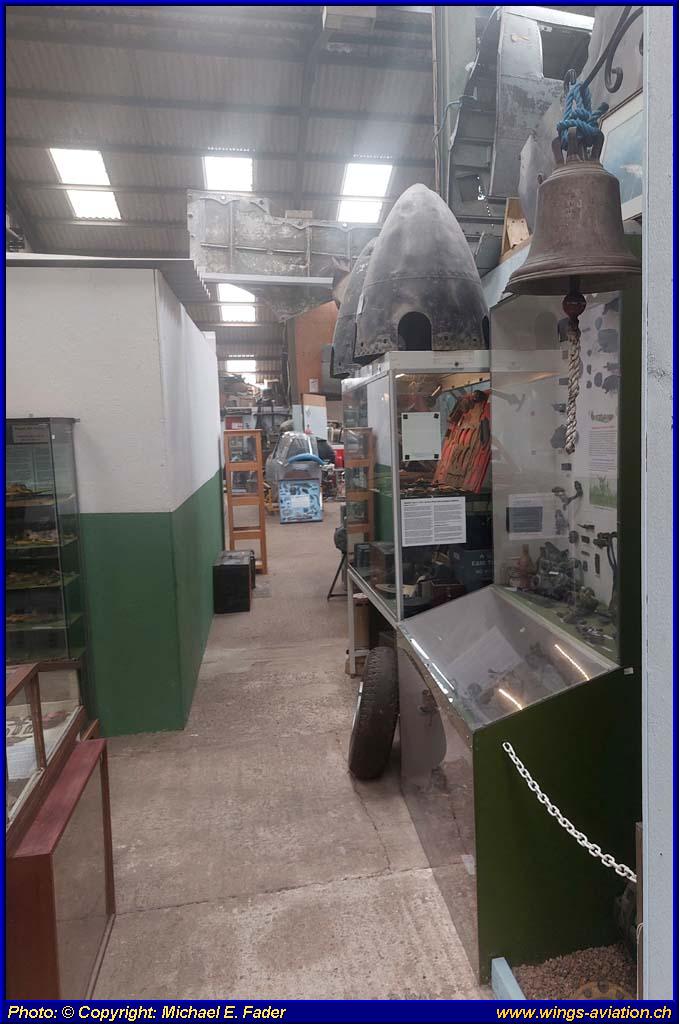
In 2003, the museum – then known as the East Surrey Aviation Group (ESAG) – was founded at Redhill Aerodrome. In 2011, it moved to its current location at Bucklands Farm. The Wings Museum is housed there in a large hangar-style building. It is situated near Gatwick Airport and not far from the villages of Balcombe and Handcross in West Sussex.
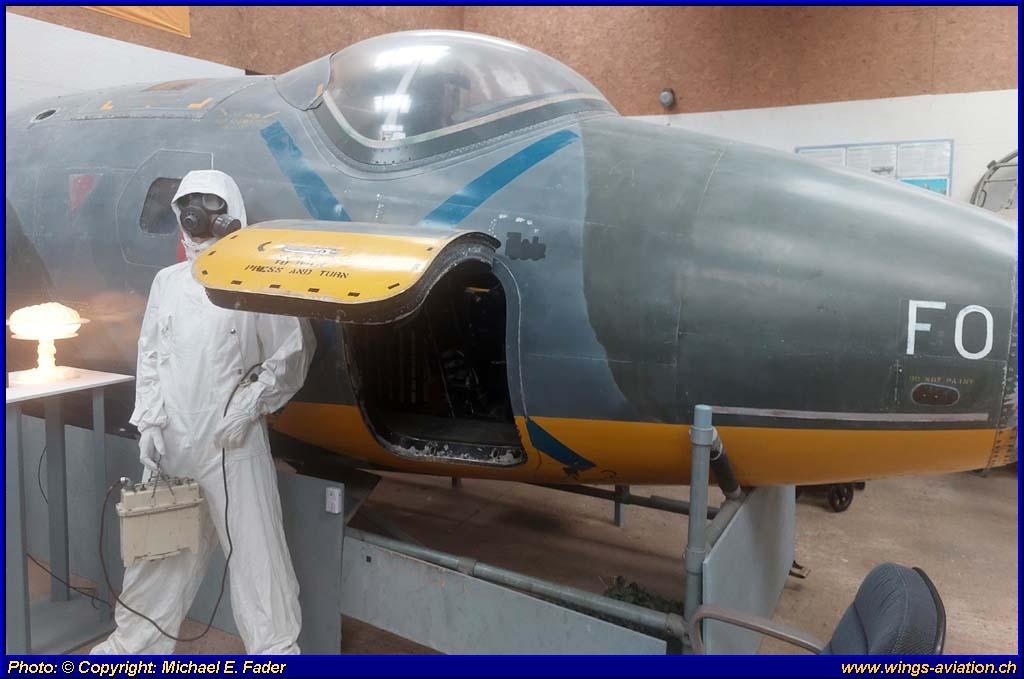
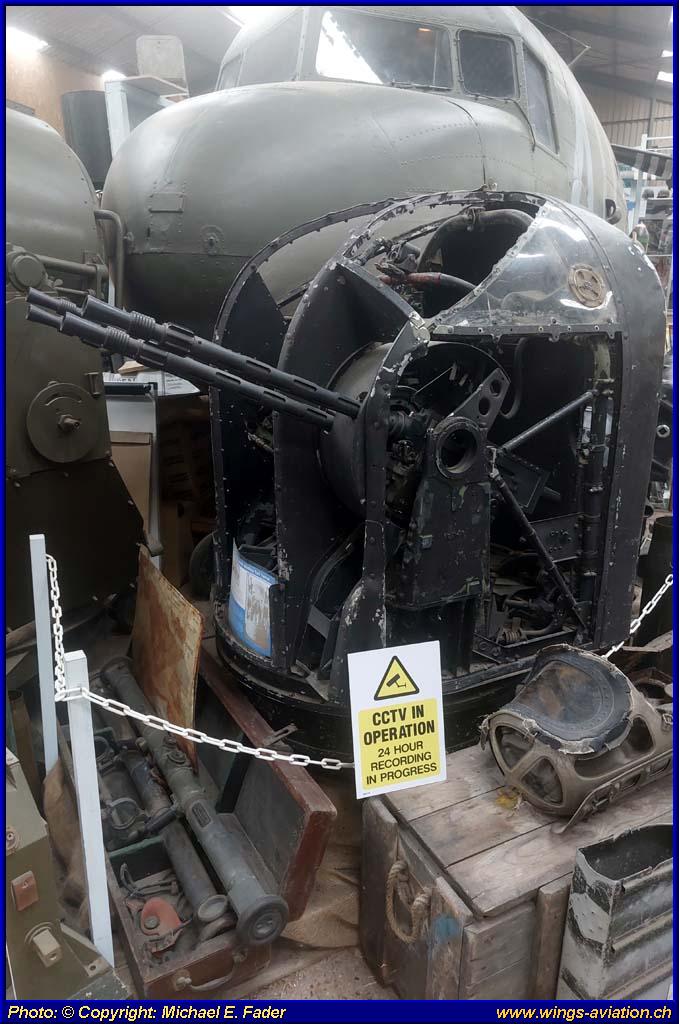
(Picture courtesy Michael E. Fader)
(Picture courtesy Michael E. Fader)
(Picture courtesy Michael E. Fader)
(Picture courtesy Michael E. Fader)
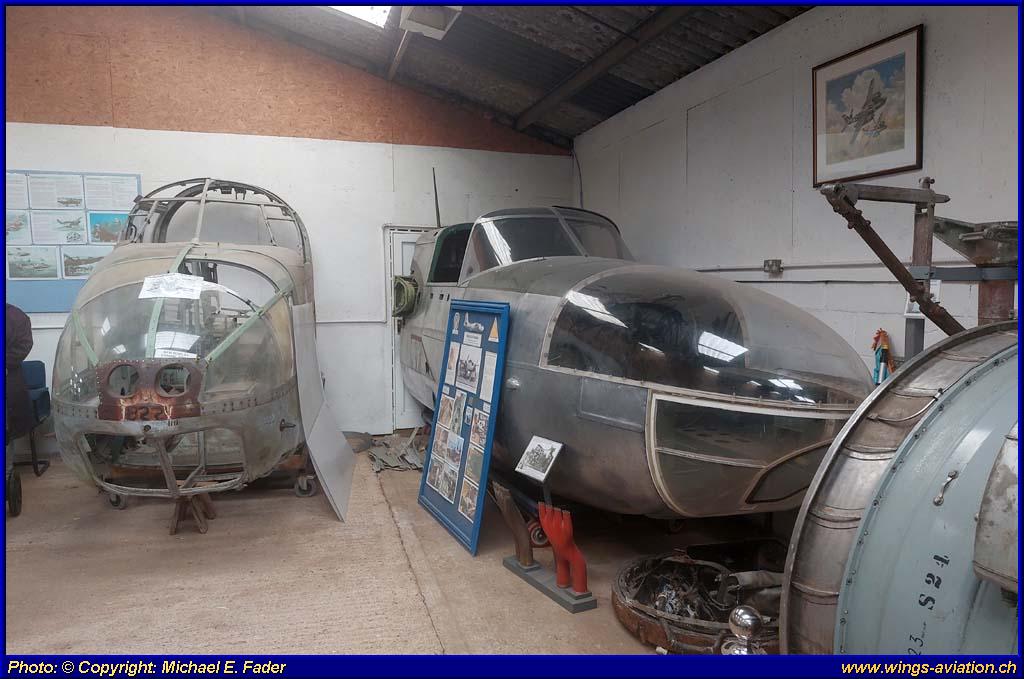
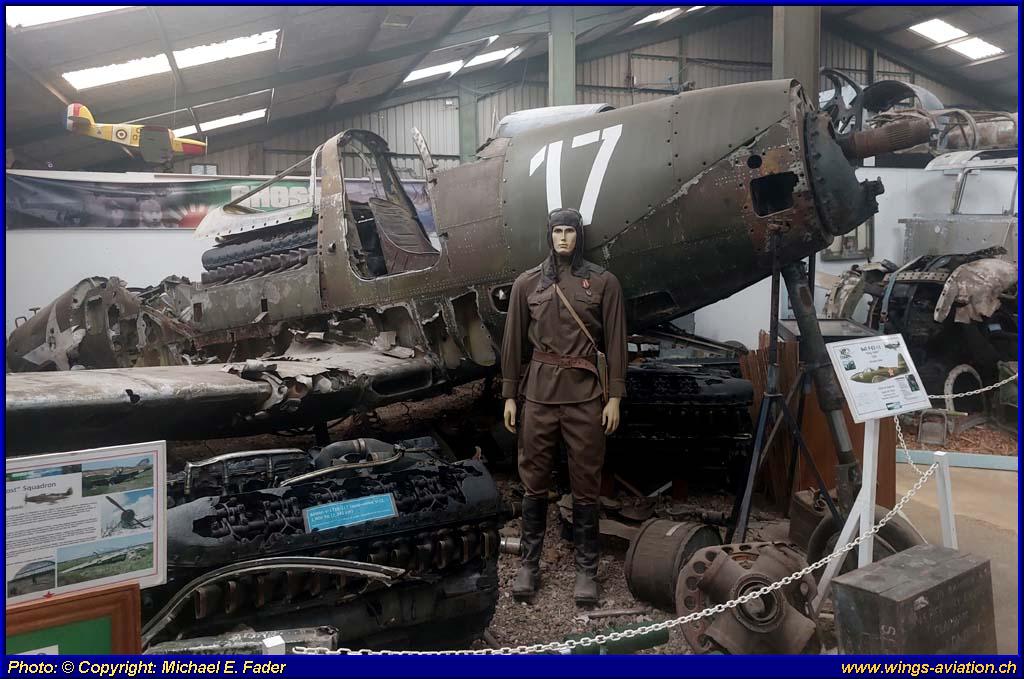
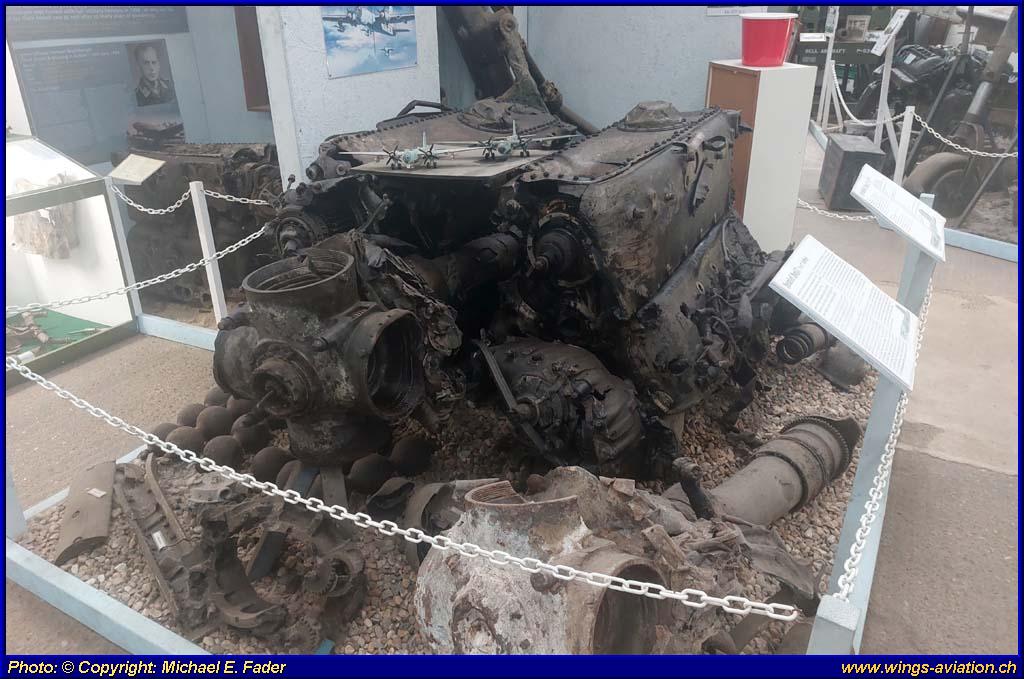
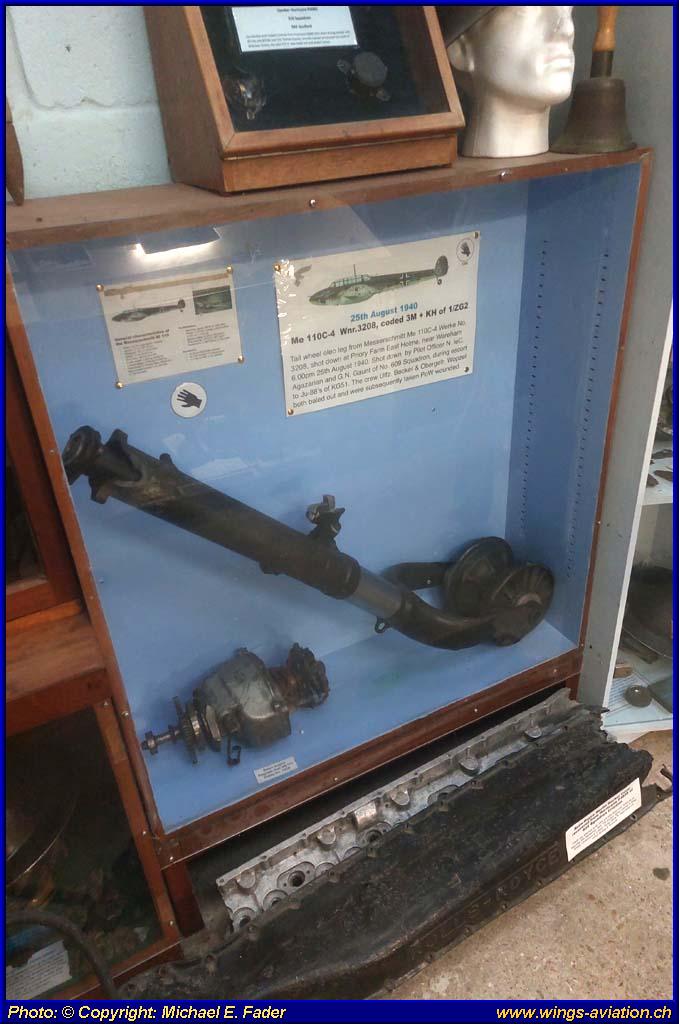
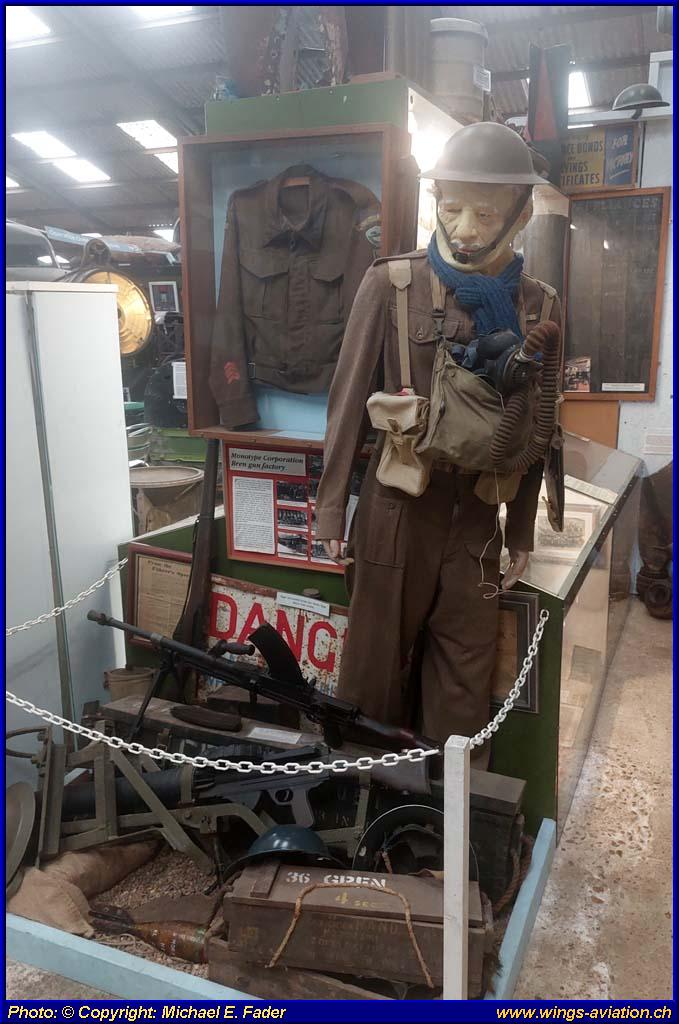
(Picture courtesy Michael E. Fader)
Russische Bell P-39 Airacobra (Picture courtesy Michael E. Fader)
Motor einer Heinkrl He.177 (Picture courtesy Michael E. Fader)
(Picture courtesy Michael E. Fader)
Geschützturm einer Avro Lancaster (Picture courtesy Michael E. Fader)
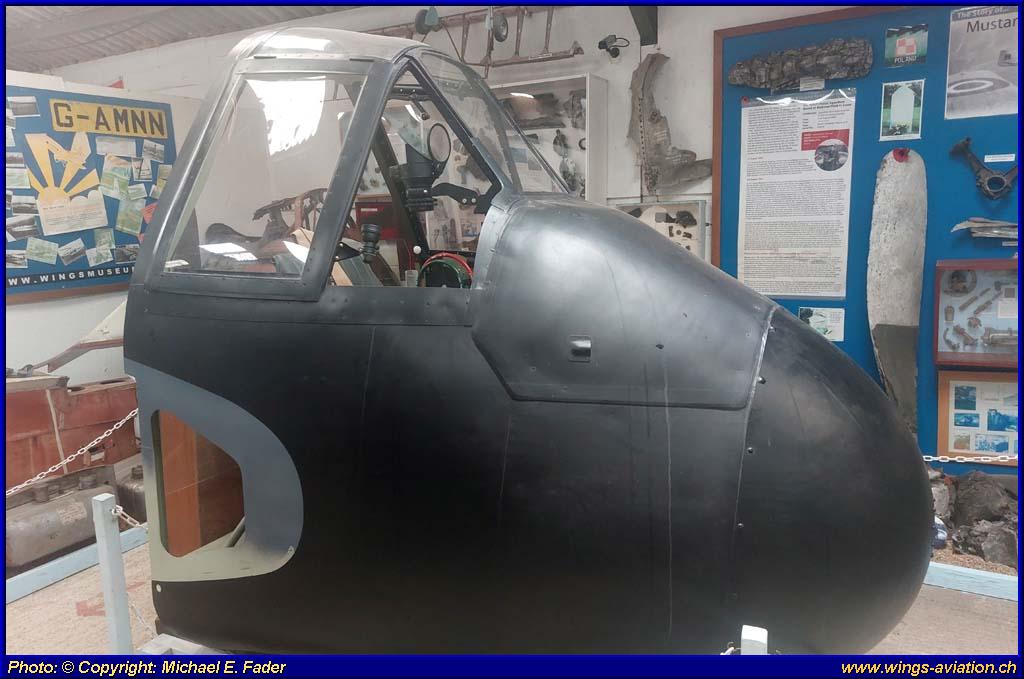
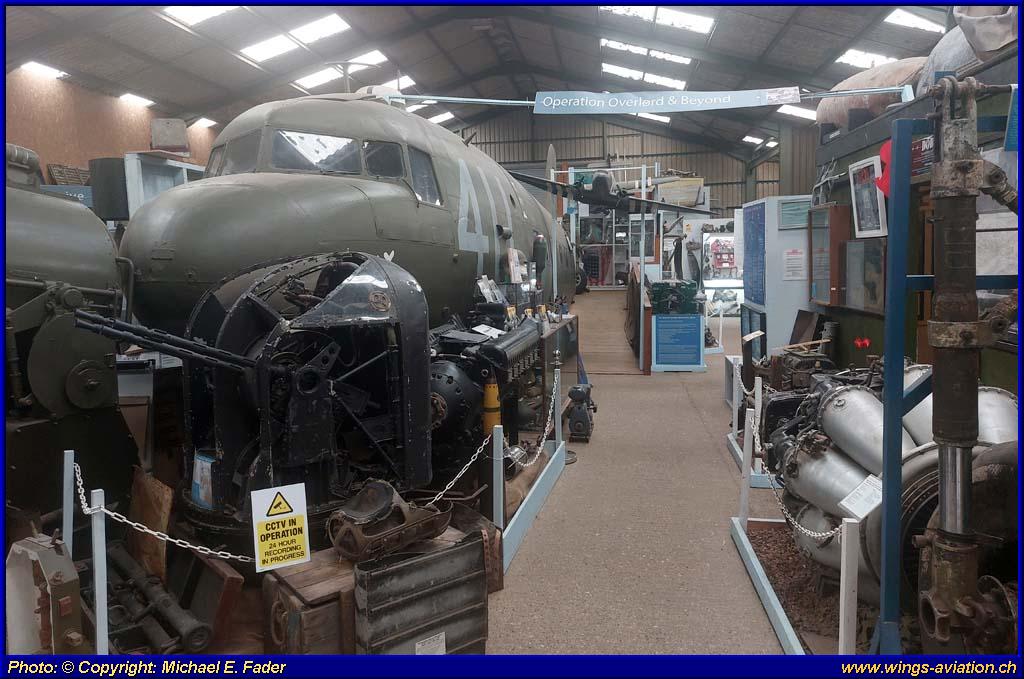
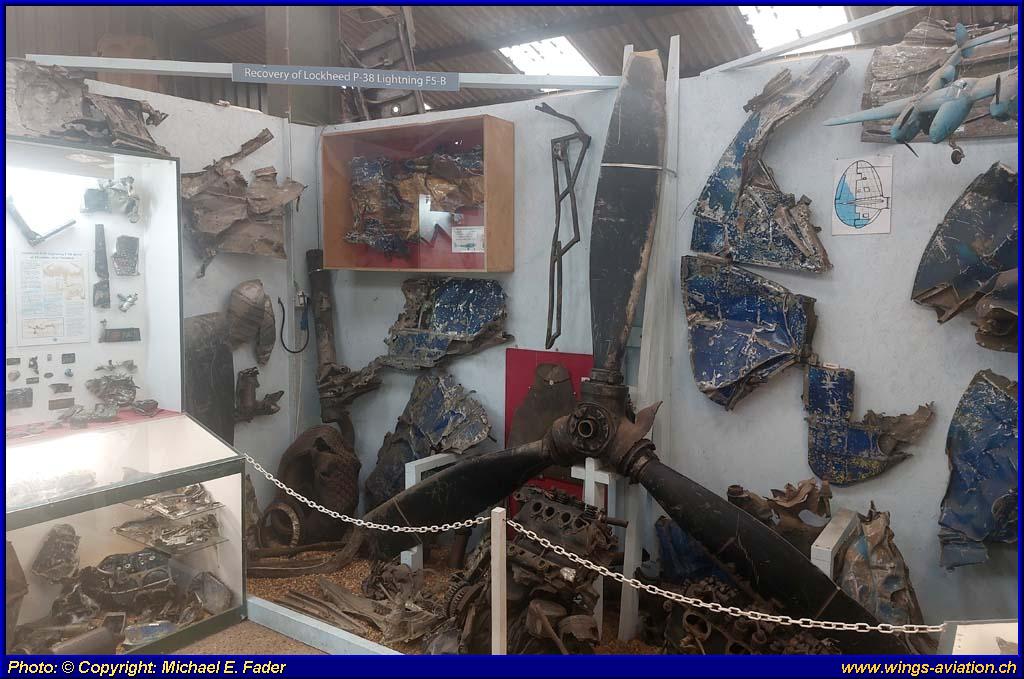
As described at the outset, the museum comprises a collection of artefacts from crashed aircraft. Information boards accompany each exhibit, explaining the history of the respective aircraft and its pilot or crew. In addition to the wreckage of the crashed aircraft, several cockpit sections are also on display, including those from a Bristol Beaufort, a Bristol Beaufighter, a Douglas B-26 Invader and a more modern aircraft, the BAC Canberra. Particularly unusual are the remains of a Japanese Nakajima B5N-2, which were recovered from the Kuril Islands. The museum specialises in the recovery and documentation of wreckage from crashed aircraft. Its collection therefore also includes some remarkable exhibits from Russia.
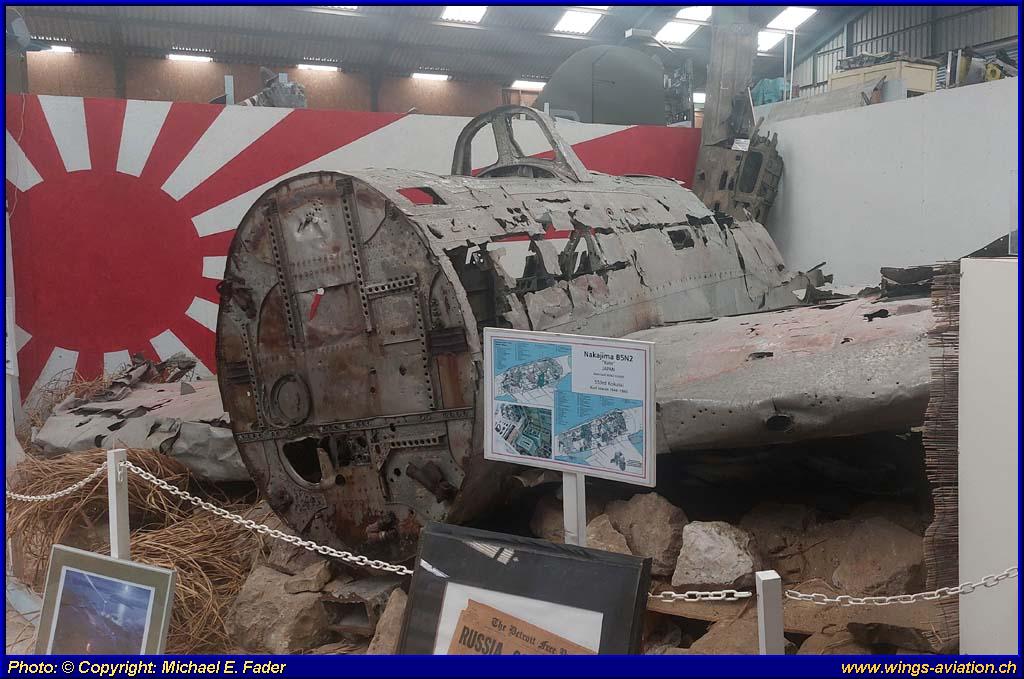
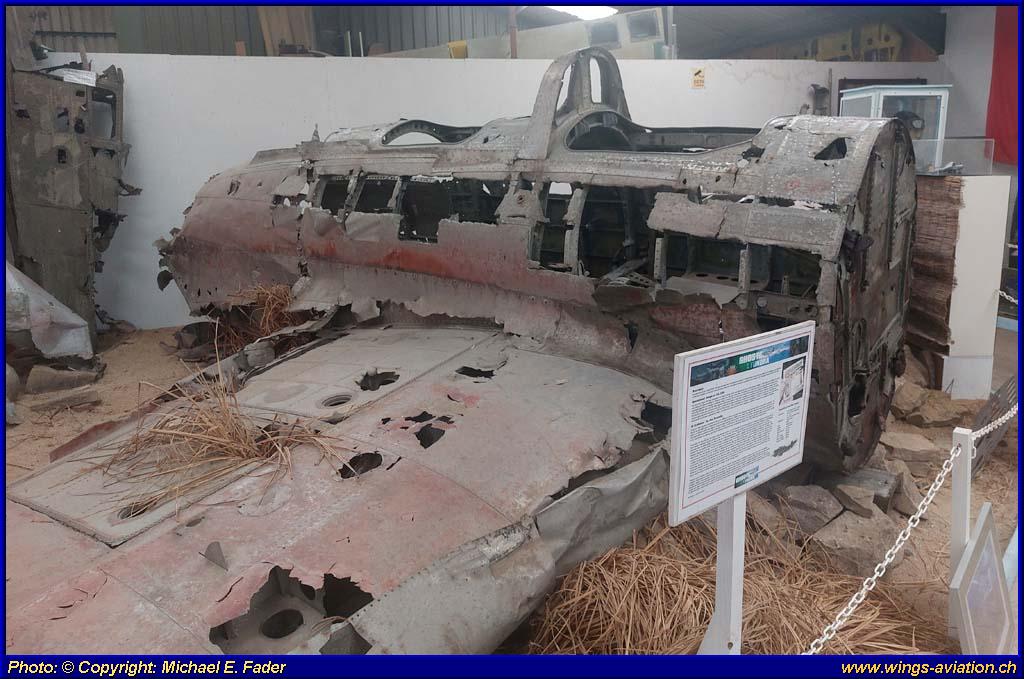
Wrack einer Nakajima B5N-2 (Picture courtesy Michael E. Fader)
(Picture courtesy Michael E. Fader)
(Picture courtesy Michael E. Fader)
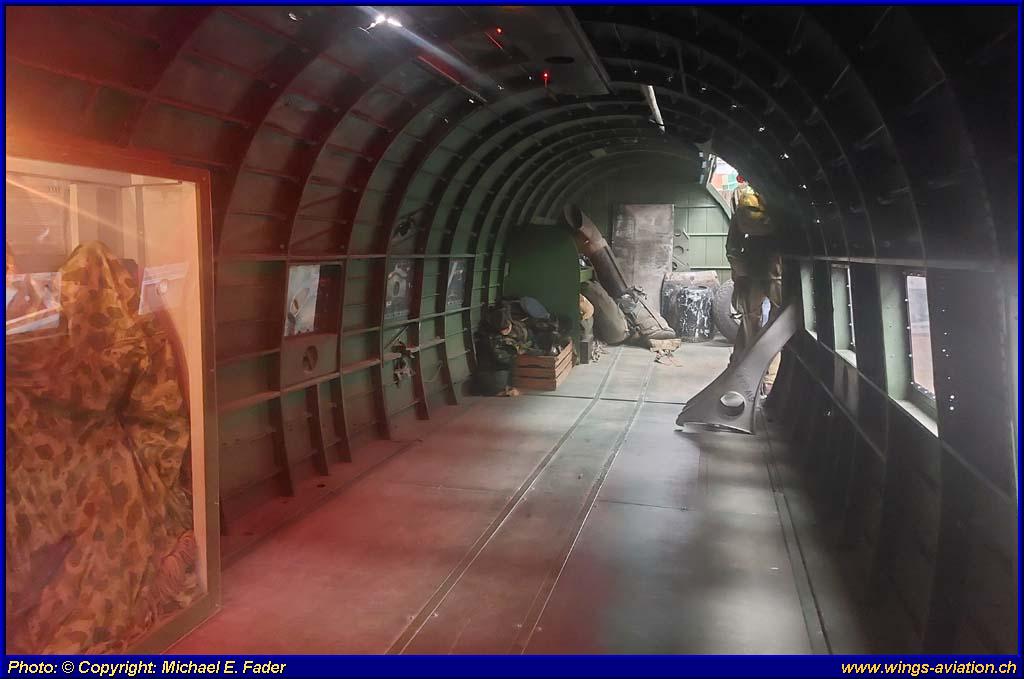
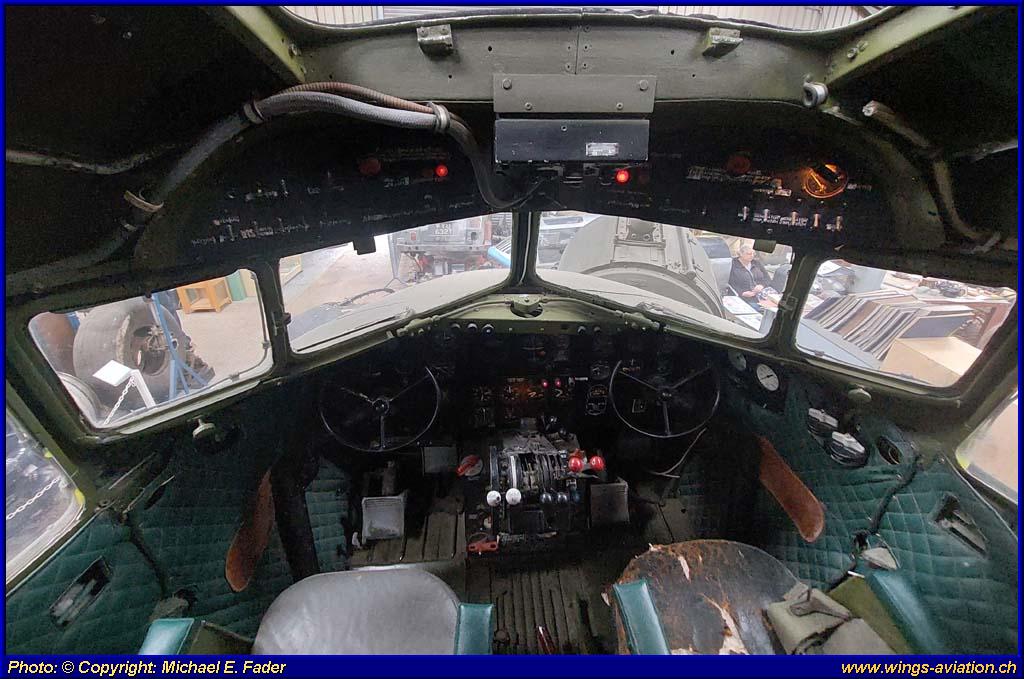
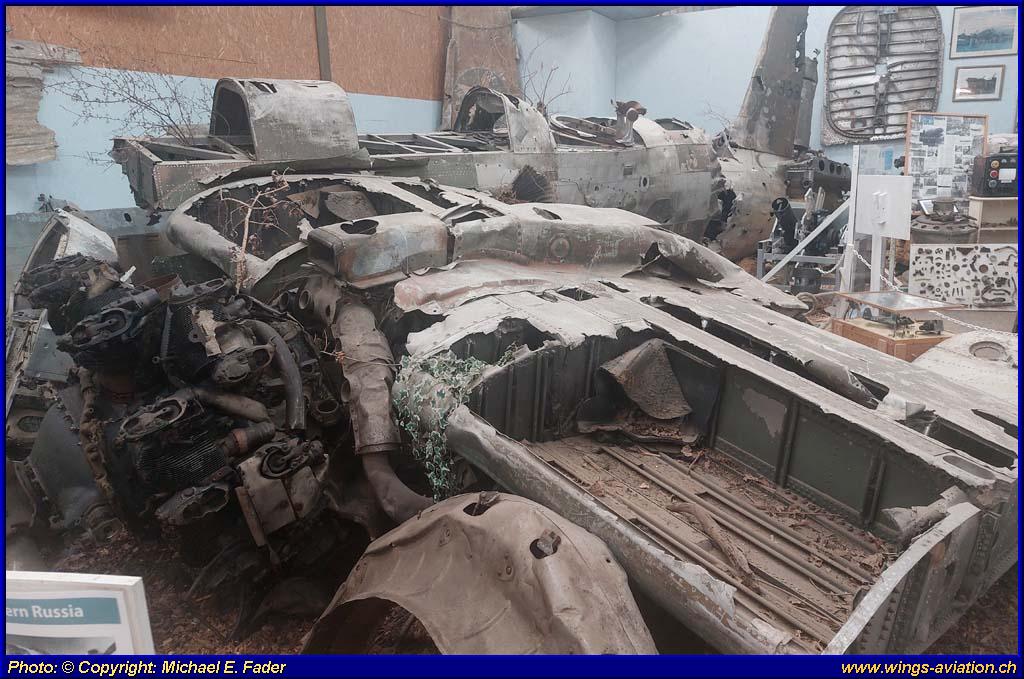

Cockpit und Rumpf einer Douglas C-47 Skytrain (Picture courtesy Michael E. Fader)
(Picture courtesy Michael E. Fader)
(Picture courtesy Michael E. Fader)
(Picture courtesy Michael E. Fader)


